How to Start an E-hailing Business and Be Profitable
To start an E-hailing business and be profitable, you first need a solid business plan. When it comes to starting an e-hailing business, you have two options:
- Start a new e-hailing business from scratch or
- Build a fleet with an existing e-hailing company.
Either way, with the right planning, you can be successful and profitable.
According to broader regional market analysis, the African ride-hailing sector is forecast to reach a value of over USD 3.2 billion by 2031, driven by a 4.25% CAGR as smartphone and mobile-money penetration surge. In the Kingdom, this trend is already visible with the rise of local services like Leap Taxi App and increased demand from international visitors. This proves that starting an e-hailing business in Eswatini is becoming an increasingly viable and profitable venture—provided you have the right telematics and safety infrastructure in place to manage your fleet.
At Cartrack Eswatini, we can’t get you drivers or cars, but we can offer you all the right technology you need to keep your e-hailing business zooming past all of your competitors. We have GPS tracking, AI dashcams, panic buttons, fuel management, and driver behaviour monitoring, to name a few.
So if you’re ready to start your e-hailing business and make a profit, keep scrolling because the team at Cartrack is breaking it all down for you.
How to start an e-hailing business
To start an e-hailing business, you need to understand the intricacies of this market, specifically in Eswatini. It’s not just about getting a customer from one place to another; it’s about creating a travel experience that keeps customers coming back.
If you want to create long-term success, create a business plan, which is important even if you want to join an existing e-hailing company. In your business plan you need to decide on a few factors that’ll help guide you.
Identify your target audience
You need to decide who your customer base is going to be: are they daily commuters, tourists, students, professionals, or all of the above? When you know exactly who your ideal customers are, it’s easy for you to tailor your services to match their needs.
For example, let’s say you want your client base to be tourists only; you need to make sure you:
- Are based close to airports and hotels
- Have a vehicle that’s big enough for big groups and has enough boot space for luggage
- Have water and local snacks available in your car
- Have tourists’ attraction pamphlets in the car
- Know your city well enough to give recommendations
- Have a decent command of the English language
Set your pricing
If you’re starting your own e-hailing company from scratch, you’ll have to set up a pricing structure. Will you have lower or similar pricing to your competitors? Are you going to have added benefits with premium plans so that you can charge higher fees? All of these factors need to be considered, as this is how you’ll make money.
What’s your USP?
The most important thing you need to determine is what your unique selling point (USP) is. This is what will set you apart from other drivers or other e-hailing services. Without this, you’ll disappear into the traffic of transportation options and are most likely to be forgotten by the e-hailing giants or just be another driver that’s completely unremarkable.
What you provide and how you deliver it will be what you’re remembered for, and this can either make or break your business. So ask yourself, what are you going to do that sets you apart from others?
Here are some niche e-hailing options you could look into:
- Pet-friendly 🐶
- Elderly-friendly 👵
- Woman-for-woman 👯♀️
- Eco-friendly ♻️
- Sober chauffeurs 🤵
- Family-friendly (car seats available) 👨👩👧👦
- Suitable for disabled people 🧑🦽➡️
- Subscription-based ✅
- Corporate staff transport 💼
- School runs 🎒
Make sure you’re compliant
Ensuring your e-hailing business is compliant with the laws of the Kingdom is the most critical step toward long-term success. The Ministry of Public Works and Transport requires all public transport operators to hold valid Road Transportation Permits. To operate legally, your vehicles must be registered as Public Service Vehicles (PSVs), which involves obtaining a permit from the Road Transportation Board (RTB) and displaying a valid T-Disc. Staying compliant not only protects you from hefty fines and vehicle impoundment but also builds essential trust with your passengers.
Additionally, this act states that all e-hailing services must make sure that:
- Every vehicle is clearly branded or has a sign indicating that it’s an e-hailing vehicle
- All driver and vehicle details must be visible in the app
- All vehicles have panic buttons installed
- Drivers and vehicles are compliant and must have the proper documentation readily available
Vehicles in your business
You need to decide which vehicles you’re going to use in your e-hailing business. Do you own them? Are you renting them? Do they belong to your drivers? Are you using electric vehicles? This information is vital to know how your operations are going to run.
So how do you decide?
If you’re worried about the volatile fuel situation, then perhaps you should look into electric vehicles for your business. EVs have been seen to reduce maintenance costs and completely eliminate fuel costs, boosting net income by 15–20%!
If you want your e-hailing fleet to consist of the latest models, then leasing vehicles will be the best option for your business! Just make sure you adhere to the mileage rules and requirements.
Don’t have the capital to get your own vehicles? Then get drivers with their own cars! Make sure you have each vehicle checked for roadworthiness so you’re still meeting legal compliance regulations.

What technology do I need for my e-hailing business?
The technology you need for your e-hailing business, if you’re starting one from the ground up, is a user-friendly app, quick and easy payment systems, and advanced GPS tech. On top of these three things, you should also have AI cameras, panic buttons, advanced fare calculators, analytics and customer-support tools.
User-friendly app
The most important technology you’ll need to have a successful e-hailing business is to build a user-friendly app. This is the first touchpoint for your possible customers, and if they can’t navigate your app, or if it’s slow and complicated, they’re just going to hop off it, delete it and go back to the e-hailing companies they’re used to.
Payment systems
The payment systems you use should be simple and easy to use. You should also give multiple payment options, like PayPal or Apple Pay. Using systems that people already know and trust will make customers feel more confident when they’re paying you.
Real-time GPS tech
Having real-time advanced GPS technology in your e-hailing fleets doesn’t just show your drivers where to go; it gives you, as the owner, eyes on your entire fleet, 24/7. You’ll know where all your drivers are, know where the best spots are for your drivers to wait for possible clients, save on fuel costs, and create safer rides for drivers and passengers.
Having real-time GPS tech in your operations will allow you to provide your customers with accurate ETAs and your drivers with smoother journeys. Real-time GPS tracking can see how a vehicle is behaving on the road (speeding, harsh braking, aggressive cornering). When your drivers know that you have eyes on them at all times, it’ll ensure they make safer driving choices, which ultimately makes your customers feel safer.
You and your drivers can save on fuel with GPS tech because you’re able to find the quickest and most fuel-efficient route.
An added perk of having real-time GPS tracking (from Cartrack) is the reassurance that if your vehicle is stolen, we’ll go out to try and get it back for you!
AI cameras
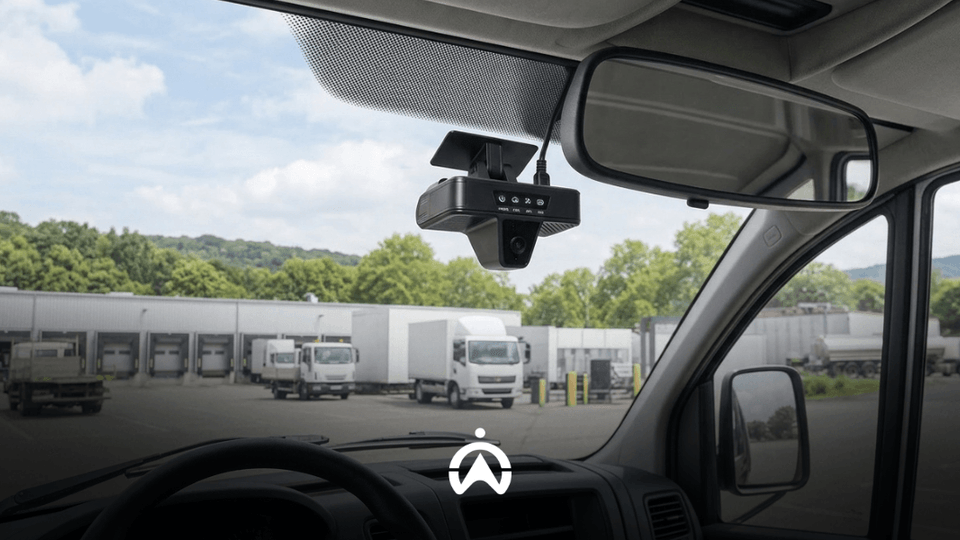
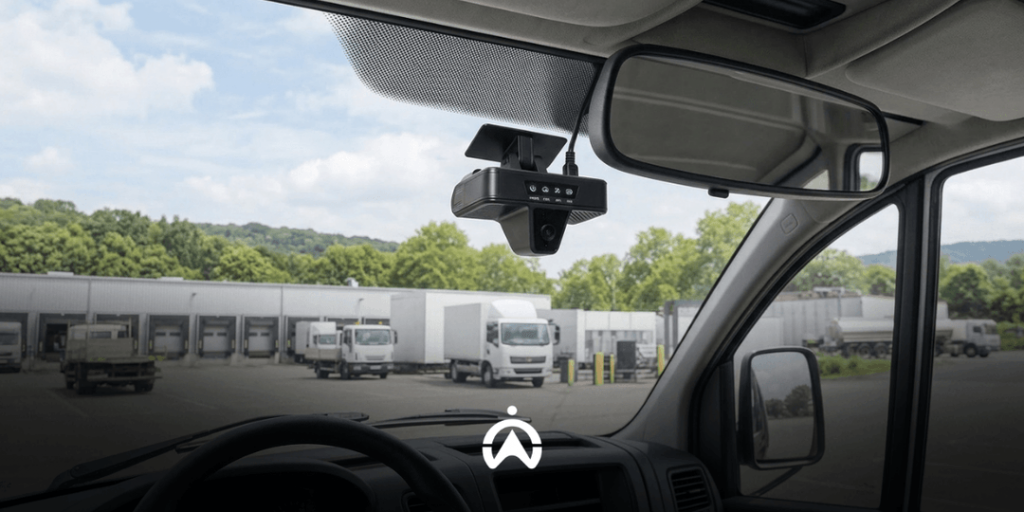
Having dashcams is incredibly important for e-hailing drivers, and having AI ones is even better. A normal dashcam is great; it can record inside, and some of them can record outside the vehicle as well. Dashcams make your drivers and passengers feel safer. These will also assist with any false claims and make insurance investigations go faster.
However, AI cameras take this one step further for e-hailing owners. You’ll have eyes on your drivers, and you can track driver behaviour in real time. Your drivers will get in-cabin alerts if they’re:
- Fatigued
- Distracted
- Smoking
- Speeding
- Not wearing their seatbelts
- About to hit a vehicle in front of them
- Covering the camera
All these features not only enhance the safety of your fleet and your customers, but you can make sure your drivers are being safe on the road and aren’t giving your company a negative reputation on the road.
Panic buttons
Having a panic button installed in your e-hailing vehicles is no longer just a nice-to-have; it’s a must-have!
Panic buttons are great for drivers and your passengers because in an emergency situation (accident or hijacking), they’ll feel safer knowing that emergency services have been alerted.
Fare calculators
You need an accurate fare calculator, because unpredictable pricing is a sure way to turn customers away. Eswatini roads are known for having traffic throughout the day thanks to broken traffic lights. When you connect your fare calculator to an accurate GPS system, you can make sure your drivers know exactly how long a trip will take, and your customers will know exactly how much they’ll be paying.
Real-time analytics
As the fleet manager, you need insights into your entire fleet—this is where telematics comes in. Cartrack’s telematics system will give you operational intelligence into your fleet. This is what you get:
- Know which vehicles are idling or speeding
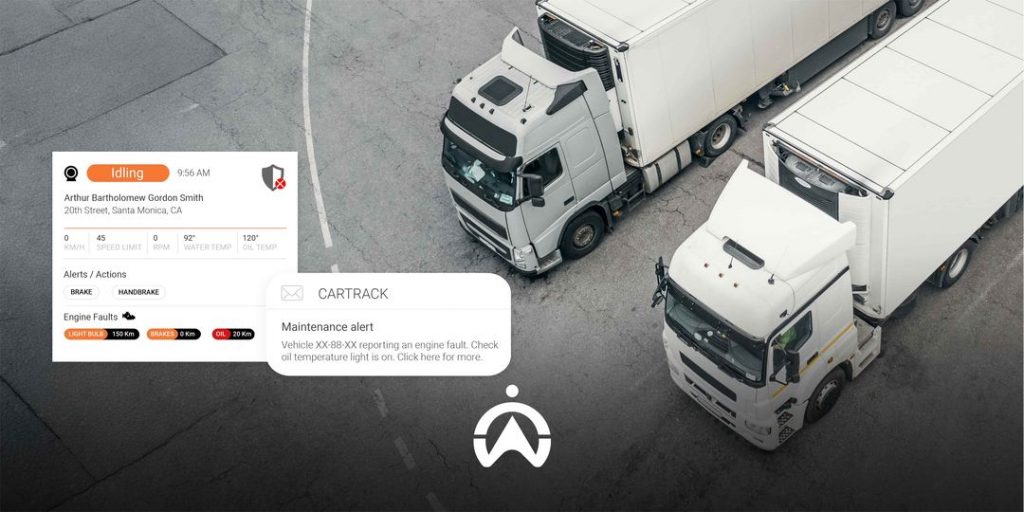
- Know when a vehicle needs maintenance done
- Insights into how drivers are behaving on the road
- Set driver schedules and routes
- Track fuel usage
- Spot fuel theft
- Automate admin
- Set up geofences
- See all vehicle trip histories
- Log book reports
Customer support tools
Last but not least, a piece of tech you’ll need is customer support tools. If your customers experience a rude driver, you’ll want to know about it. If they’ve experienced any issues with any of your drivers or vehicles, they need a platform to voice their issues.
How does Cartrack keep your drivers, fleet and customers safe?
Cartrack keeps your drivers, fleet and customers safe with AI cameras, real-time GPS tracking, panic buttons and driver behaviour monitoring. On top of that, we offer 24/7, 365 support, we have a dedicated recovery team, and we provide you with operational intelligence so you can keep your business safe and compliant.
Here’s how Cartrack can help you 👇
Compliance-ready panic buttons
Panic buttons are a great tool to keep your driver and passenger safe. As previously stated, they’re now a legal requirement for e-hailing businesses as well.
At Cartrack you can get a panic button that’s attached to your camera that’ll automatically send live footage to our control room when pressed. Or you can get an in-cabin panic button placed in an easy-to-reach (but discreet) location of your choosing within your vehicle.
Predictive maintenance
E-hailing vehicles will experience significantly faster wear & tear on their vehicles compared to an average driver. This is why you need predictive maintenance for your e-hailing fleet.
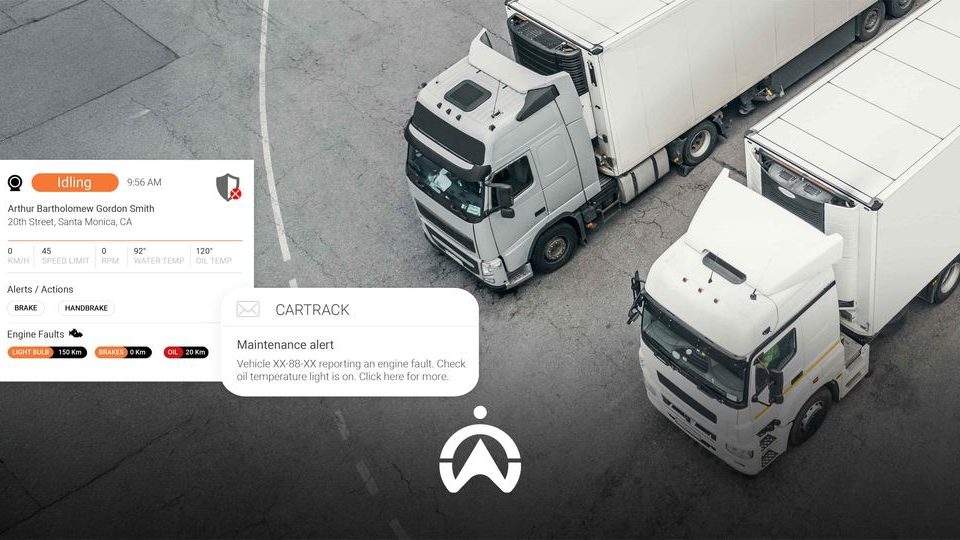
Cartrack’s fleet management system gives you immediate alerts for any engine faults, worn brake pads, low oil & water and any other diagnostic faults detected so you can take action before they unexpectedly affect your operations.
Our system also allows you to schedule maintenance for your vehicles so you’re able to easily track maintenance and avoid any unplanned downtime.
Fuel management with MiFleet
One of the major costs to any fleet, especially e-hailing businesses, is fuel. And if you, as the owner, are covering the costs of fuel for your fleet, you need insights into every drop.
MiFleet is a value-added service from Cartrack that can easily cross-reference fuel receipts with the vehicle’s actual location and the tank’s capacity. This allows you to accurately monitor fuel usage and make sure no one is stealing or wasting fuel.
Top-of-the-range cameras
Cameras are a must for every vehicle that’s part of an e-hailing fleet. They provide protection and indisputable evidence in any situation.
Cartrack has a wide range of cameras for you to choose from! Our AI camera systems can give you and your drivers real-time alerts to any dangerous driving habits, use cloud-based storage and allow you to effectively coach your drivers.
GPS tracking and recovery
GPS tracking is the most important thing your e-hailing business needs. And if it comes with a recovery team in case your vehicle gets stolen… even better!
Cartrack’s GPS tracking gives you:
- Real-time visibility on all your vehicles
- Smarter and more efficient route planning
- Insights to when vehicles are being misused
- Accurate arrival times
- A dedicated and highly trained recovery team
- 24/7, 365 support team
Driver behaviour monitoring
Your drivers can make or break your e-hailing business. If they’re driving recklessly and making your clients feel unsafe, your business will fail before you even make a profit.
Cartrack can provide you with a full driver monitoring system. This system consists of cameras, GPS tracking and driver scorecards.
- Cameras: Visually keep an eye on drivers and make sure they’re not using their phone while driving, smoking in the car, or driving fatigued.
- Telematics: Alerts you to reckless driving like harsh braking & cornering and excessive speeding.
- Driver scorecards: These work with the telematics and allow you to rate driver behaviour, and then you can coach them on problematic issues.
If you’re ready to start your e-hailing business and be profitable, then contact our team today to get your e-hailing vehicle optimised for success!
FAQs
What hidden costs should I budget for when starting an e-hailing business?
The hidden costs you should budget for when starting an e-hailing business are an increase in wear and tear costs, high insurance premiums and operating fees. You should also ensure you have enough capital to keep your business afloat for at least the first three months.
How do I handle dangerous customers in my e-hailing vehicle?
Handle dangerous customers in your e-hailing vehicle by doing the following:
- Verifying the customer’s name before they get in your car
- Keep doors locked until you’ve verified it’s the right person
- Pull over when safe and cancel the trip
- Don’t engage with rage-baiting clients
- Press the panic button
- Report the incident immediately after it happens
Should I buy or lease a vehicle for my e-hailing business?
Buying or leasing a vehicle for your e-hailing business completely depends on daily mileage and cash flow needs. Buying is best if you have a lot of daily trips and if you want complete ownership. Leasing gives you lower monthly premiums, and you’re able to upgrade to newer models, but you have to stick to the mileage limits.