Fleet Optimisation: 9 Steps to Success
When it comes to fleet optimisation, there are 9 steps to success. These are assessing your current fleet’s performance, setting clear optimisation goals, using real-time tracking & telematics, optimising your routes and schedules, managing your drivers’ behaviours, adopting predictive maintenance, right-sizing and future-proofing your fleet, and finally, tracking your total cost of ownership.
With fuel prices constantly on the rise and operational costs squeezing margins, making use of fleet optimisation is essential for your fleet’s survival. Currently in Eswatini.
So, how do you take charge? How do you streamline every kilometre, every drop of fuel, and every hour your vehicles hit the road? The answer lies in nine practical steps designed for real Eswatini fleets, backed by data, supported by Cartrack, and proven to deliver results.
Let’s break it down.
What is fleet optimisation?
Fleet optimisation is the use of data, technology, and expert planning to get the most mileage from your fleet while keeping costs in check. It’s about more than just managing vehicles; it focuses on boosting efficiency, ensuring safety, and saving money. The goals include reducing fuel waste, minimising vehicle downtime, and optimising your fleet.
Step 1: Assess your current fleet performance
The first step before you can make improvements is to assess your fleet’s current performance. A fleet assessment gives you a baseline to compare against, so you understand exactly where inefficiencies hide—fuel, idle time, routing, or driver behaviour. Without data, you’re guessing. With data, you’re in control!
What should you measure?
Start by reviewing the metrics impacting your bottom line:
- Fuel consumption per vehicle
- Idle time vs. productive time
- Driver behaviour: speeding, harsh braking, harsh acceleration
- Route efficiency and mileage
- History of maintenance and downtime
- Fleet utilisation rates
Step 2: Set clear optimisation goals
The second step to fleet optimisation success is to set clear optimisation goals. Data is great, but having a clear direction is even better. Well-defined goals help you track success and share your vision with your team. Whether you’re aiming to reduce fuel usage, cut downtime, or boost job completions, measurable objectives keep everyone accountable and motivated.
Questions to ask when setting goals
- What does success look like for your fleet?
- How can you reduce breakdowns?
- How can you save between 10% and 15% on fuel costs?
- Is productivity at the front of your mind?
- Are sustainability and ESG reporting important?
Step 3: Leverage telematics & real-time tracking
Step three is to leverage telematics and real-time tracking. You can’t optimise a fleet you can’t see. With real-time vehicle tracking, you keep an eye on drivers, safety, fuel waste, and every kilometre travelled. This isn’t just monitoring; it’s insight that empowers you to make decisions instantly, rather than waiting for those month-end reports.
Benefits of telematics
- Live vehicle location
- Route deviation alerts
- Driver behaviour monitoring
- Idle time tracking
- Instant alerts – theft, speeding, fuel waste
- Precise recording of trip history & mileage.
Cartrack’s role in step 3
Cartrack gives fleet owners full visibility in real time: GPS tracking, driver behaviour monitoring, trip history, and instant alerts for fuel waste, theft, or unauthorised use. With live data at your fingertips, you’re not reacting to problems—you’re preventing them before they impact your bottom line.

Step 4: Optimise routes & scheduling
Smart routing is one of the fastest ways to save money. Every unnecessary kilometre adds to fuel costs, time on the road, and vehicle wear and tear. With effective route planning, you can get the same number of vehicles to complete more jobs—and that means more profit!
Smart routing tactics
- Group jobs by location
- Leverage historical traffic data
- Plan routes around delivery windows
- Steer clear of hotspots and high-risk areas
Cartrack automates all of these processes for you with an all-in-one, easy-to-use platform!
Cartrack’s role in step 4
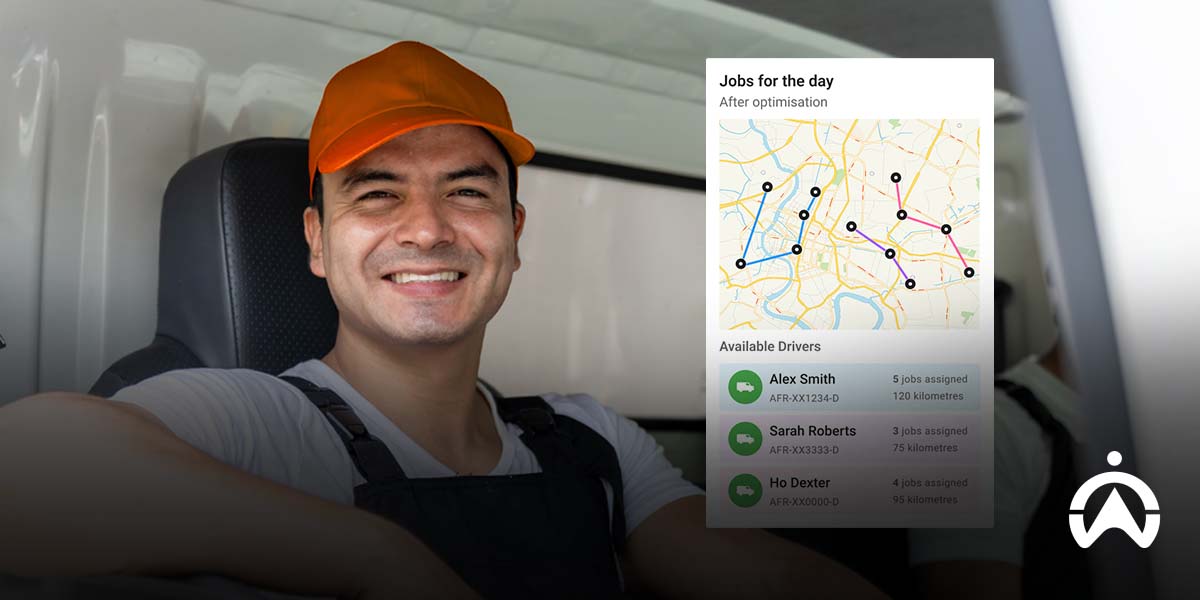
Cartrack’s route optimisation tools enable dispatchers to plan the most efficient routes according to traffic patterns, client locations, and delivery windows. Jobs are assigned quickly, kilometres are reduced, and each vehicle is able to complete more work in less time without the need for adding more vehicles to your fleet.
Step 5: Implement driver behaviour management
You need to implement driver behaviour management because your drivers are your largest expense, but they’re also your best chance for improvement. Just a few small changes in behaviour can result in significant fuel savings, fewer accidents, and extended vehicle lifespans. Telematics goes beyond monitoring; it actively coaches your drivers.
Key behaviours to track and improve
When implementing driver behaviour management, these are the behaviours you need to start tracking and improving upon:
- Harsh braking and acceleration
- Speeding
- Idling time
- Gear misuse and excessive revving
- Route deviations
The bottom-line impact
Studies have shown that a change in driving style alone can contribute to fuel consumption reductions of up to 15%. And fewer accidents mean far less unplanned downtime and fewer insurance claims.
Cartrack’s role in step 5
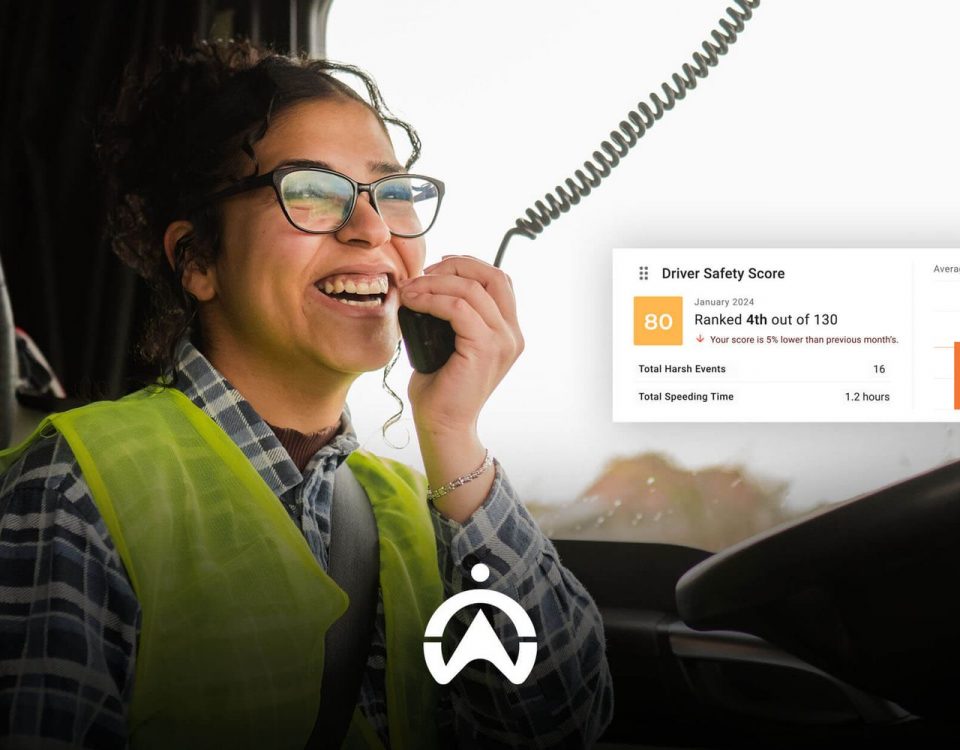
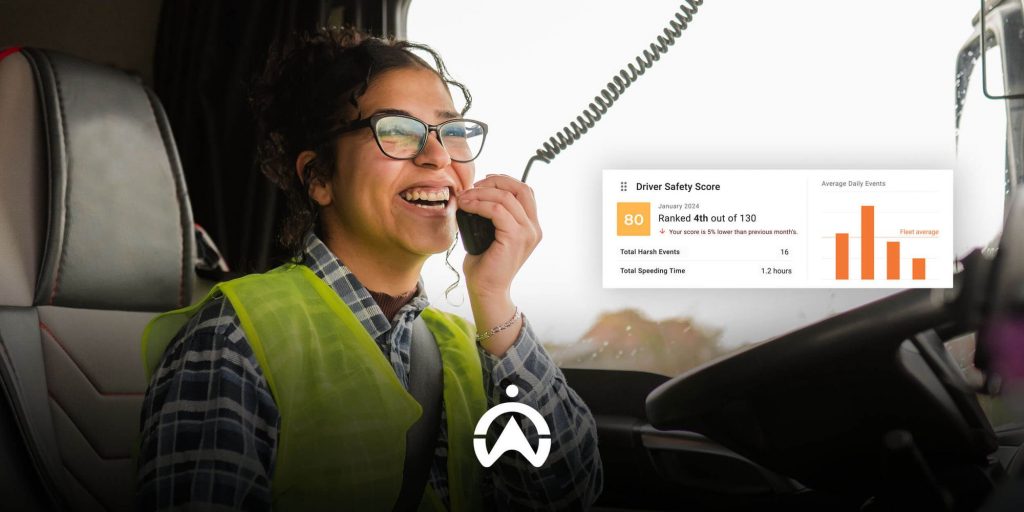
Cartrack’s driver behaviour analytics give you clarity into how your team performs behind the wheel—from harsh braking to speeding and excessive idling. With real data, you can coach drivers, reward good performance, and amplify road safety while cutting fuel waste.
Step 6: Use preventative maintenance
Step six is to start using preventative maintenance, so instead of waiting for things to break, you’ll anticipate them. Predictive maintenance uses data to track component wear, vehicle health, and service needs. This prevents breakdowns, extends vehicle lifespans, and keeps fleets on the road.
Don’t just repair—PREVENT!
Things you should be monitoring closely are:
- Engine fault codes
- Usage hours & odometer data
- Brake wear
- Tyre health
- Battery performance
- Service intervals
Cartrack’s role in step 6
Cartrack’s software automatically monitors odometer readings, fault codes, battery health, and service intervals—so you know exactly when a vehicle needs attention before it breaks down. This is achieved through predictive AI, which gathers and analyses the data in real-time, and then it provides an understanding of the equipment’s current condition.
So rather than you having to react to repairs, you can schedule maintenance earlier and reduce unplanned downtime across your fleet.
Step 7: Rationalise fleet size & structure
When it comes to rationalising your fleet size and structure, it’s important to remember that not every vehicle belongs in your fleet. Some are overused, some are underutilised and some are simply not the right fit. Right-sizing ensures your fleet matches demand at the lowest possible cost with the best possible performance.
Right-sizing your fleet
When it comes to right-sizing your fleet, these are the factors you’ll need to consider:
- Utilisation rate per vehicle
- Total cost per kilometre/TCO (total cost of ownership)
- Depreciation versus replacement
- Vehicle lifecycle (age, resale value)
- Leasing versus owning
- EV readiness and sustainability goals
Cartrack’s role in step 7
Cartrack reports identify underperforming vehicles, overworked assets, and true cost per kilometre for every unit in your fleet. These help inform decisions relating to replacements, leasing options, and asset rotation—ensuring every vehicle delivers real ROI.
Step 8: Track total cost of ownership (TCO)
Step eight requires you to track the total cost of ownership. Remember, fuel alone doesn’t paint a complete picture. TCO follows every single cost associated with every asset over its lifetime—from fuel to insurance to admin to downtime. This helps managers decide which assets to retire, which to keep, and which to invest in next.
What should be included and considered?
To track the TCO, include:
- Fuel and maintenance
- Depreciation
- Insurance
- Tyres
- Licensing and admin
- Accident costs
- Downtime
Direct costs make up about 80% of total TCO:
- Depreciation/Leasing: 35–45%
- Fuel/Energy: 25–35%
- Maintenance/Repairs: 10–15%
- Insurance: 8–12%
- Tires: 3–5%
Indirect costs account for 20%:
- Corporate Vehicle Tax (TVS): 2–8%
- Administrative management: 2–4%
- Downtime due to accidents: 1–3%
Cartrack’s role in step 8
Cartrack brings all the necessary cost data—fuel, maintenance, driver behaviour, downtime, and utilisation—onto one platform. With precise TCO reporting per vehicle, you instantly see which assets are profitable and which are draining your budget. That’s how smart investments get made!
Step 9: Plan for sustainability & future growth
Lastly, you need to plan for sustainability and future growth of your fleet. Sustainability isn’t just an ESG box to tick; all over the world, it’s increasingly tied to profitability and customer expectations. Eswatini is only gradually moving toward greener fleet operations, and businesses that prepare now will benefit later.
Green fleet strategies
- Assess EV readiness (duty cycles, range, charging infrastructure)
- Use telematics to measure CO₂ emissions or fuel efficiency improvements
- Replace inefficient assets
- Use data for ESG reporting
- Track fuel-efficient patterns.
Why it pays off
There’s an increased trend by customers to favour those suppliers that have a sustainability strategy. Companies that get ready now will be better placed to win contracts and achieve higher scores in tender evaluations over the coming years.
Your fleet’s future starts now
Fleet optimisation doesn’t need to be a complete overhaul right from the get-go. Sometimes it’s as simple as improving just one metric, one route, one driver, or one vehicle. But as the data starts telling its story, you’ll see even more opportunities month after month on how to save money, improve, and grow.
The simple truth is this: the answers are already there in your fleet. The data is available. Your next step is to collect, analyse, and act on it.
Ready to optimise your fleet?
Start with a fleet audit, or speak to our team at Cartrack that works with Eswatini fleets every day!