The Best Way to Budget for Your Fleet Management
The best way to budget for fleet management is to know exactly how much it costs to run your fleet. This requires you to take your fixed costs, like financing and insurance, and your variable costs, like fuel and maintenance, to accurately evaluate every expense per vehicle.
Did you know that human factors contribute to over 90% of road accidents and fatalities? Now you might be thinking, what does that have to do with managing your fleet? But when you have a tool that actively monitors your drivers, you can significantly improve how they’re driving, which directly impacts how much money your fleet is using.
When you invest in a robust fleet management system like the one from Cartrack, you can easily make sure your fleet stays on budget! Let’s see how.
Why do you need a tool to budget for your fleet?
You need a tool to budget for your fleet so that you’re able to accurately manage and control the high operational costs that come with running a fleet. Even if you only have a fleet of five cars, you need a tool to assist you with truly working out the TOC of your fleet. It’s almost impossible without one.
What’s blowing your budget in your fleet?
There are some major factors, both expected and unexpected, that can affect your fleet’s budget. When you don’t accurately monitor and track these things, your business will basically be throwing money away. You won’t truly know how much money your fleet is wasting; therefore, you won’t know how to stop it from happening.
There these are:
- Fuel
- Vehicle loss
- Insurance
- Maintenance
- Negative driver behaviour
- Hidden costs
Let’s break these down👇
Fuel
It’s common knowledge that fuel is one of the biggest expenses of any business. Refuelling your vehicles isn’t the only time your business is spending money on fuel. Fuel is also costing you money when it’s being wasted from excessive idling or stolen through syphoning. Ultimately businesses end up spending more money on fuel than what’s actually necessary.
Vehicle loss
When a vehicle is stolen/hijacked, a business is hit in multiple ways.
- Vehicle replacement costs
- Operational downtime
- Loss of stock (stolen with the vehicle)
- Increased insurance premiums
- Additional admin costs
Depending on the type of insurance you have, excess fees alone can cost you a significant amount of money, and that probably doesn’t even cover the goods lost in the process.
On top of that, if you don’t have a spare vehicle, you’re going to lose money from the unexpected operational downtime.
That’s why when you don’t have the proper tools to protect the vehicles in your fleet, it’s like you’re just leaving money lying around for anyone to take.

Insurance
When you have a fleet, no matter the size, you need to have insurance. Trucks carrying cargo are more likely to have insanely high insurance rates. This is because trucks are not only very expensive, but they also spend a lot of time on the roads, travel on dangerous roads at odd hours, and often carry expensive loads.
Maintenance
Maintenance costs can rack up quite the bill for businesses. From smaller services like oil changes, brake pads and new tyres to major breakdowns and repairs that put your truck out of service for a while, these all end up costing your business money.
When you’re not monitoring the health of your vehicles, they’ll break down when you least expect it and reduce their lifespan, and costing you large sums of money. And it’s not just the repairs that cost you money; it’s the unexpected operational downtime that costs you as well.
Driver behaviour
While often forgotten, driver behaviour plays a major role in fleet waste costs. Driver behaviour affects costs through:
- Excessive fuel usage: Aggressive speeding and harsh braking can cause your vehicle to use up to 30% more fuel.
- Engine wear & tear: Excessive idling, revving a cold engine, and shifting gears aggressively all place strain on the transmission and engine, meaning your vehicles will need repairs more frequently.
- Damaged brakes & tyres: Speeding and harsh braking will burn through your brake pads and tyres, requiring replacements more often than usual.
Hidden costs
There are quite a few hidden things that are wasting money in your fleet, and you might not even realise it! These are:
- Unauthorised vehicle use: Drivers using the company vehicles after hours or for personal trips waste fuel paid for by the company.
- Accidents without evidence: If an accident occurs and you have no evidence as to who was at fault, your company can end up footing the bill for fraudulent claims.
- Compliance penalties: When you don’t have the right tools to monitor your drivers, when it comes to a disciplinary process, you won’t have evidence to back your claims. Additionally, inaccurate logbooks can cause issues with ERS.
How does a fleet management system help you manage your fleet’s budget?
A fleet management system helps you manage your fleet’s budget by helping you see your fleet’s TOC. It uses a combination of hardware and software to accurately track and monitor your vehicles, assets, drivers and admin so that you have a complete overview of your operations all on one platform.
Let’s take the 6 main costs of a fleet and see how an FMS helps with these.
Fuel
A fleet management system helps you manage your fleet’s fuel budget in the following ways:
- Automatic transaction matching: Fuel card transactions work together with the telematics data, comparing the fuel purchased to the vehicle’s actual tank capacity at that exact moment. This way you’ll easily be able to catch any abnormalities.
- Fuel monitoring: This is done with fuel level sensors that track every drop of fuel in the most accurate way. You’ll get an immediate alert if there’s a sudden drop in fuel. This way, you can spot fuel theft instantly!
- Route optimisation: When your vehicles are travelling on inefficiently planned routes, they’ll end up wasting more fuel. This is because they’re not using an optimised route to get them to their destination more efficiently. FMS has a route optimisation feature that automatically provides your drivers with the best route possible, saving you time and money.
- The Cartrack bonus: Our MiFleet cost management tool will automate all the logging of your fuel expenses so you can stop manual receipt capturing and prevent card fraud!
Vehicle loss
Car hijackings is still a major concern to the people of Eswatini to this day. This is why it’s important that you have a tracking device from a provider like Cartrack with a high recovery rate and an in-house recovery team.
For example, if you have a fleet of 60 trucks, you’re more likely to be a statistic. Tracking devices that are part of a comprehensive fleet management system can save your business hundreds of thousands of revenue in the event of theft.
The Cartrack bonus: We have an anti-jamming Cartrack Tag that uses our unique radio frequency so we can track your vehicle even if the signal is blocked on your main tracking unit!
Insurance
How do you bring down the exuberant insurance costs? Having an insurance-approved tracking device installed in every vehicle in your fleet can play a major role in this. Installing cameras coupled with telematics data will greatly assist with accident claims as well! These tools can bring down the amount of money your business is spending on accidents and insurance.
The Cartrack bonus: Our track record makes us a top choice among insurance companies in Eswatini!
Maintenance
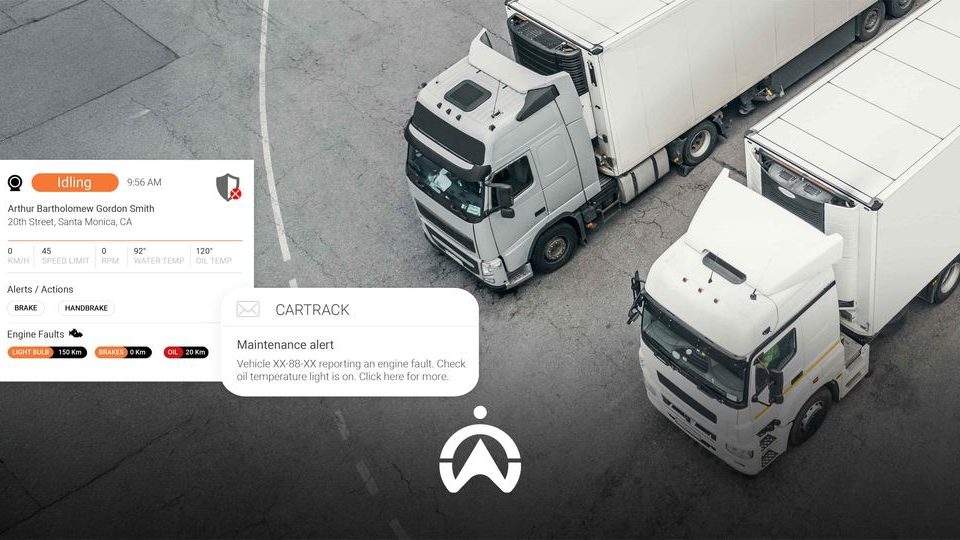
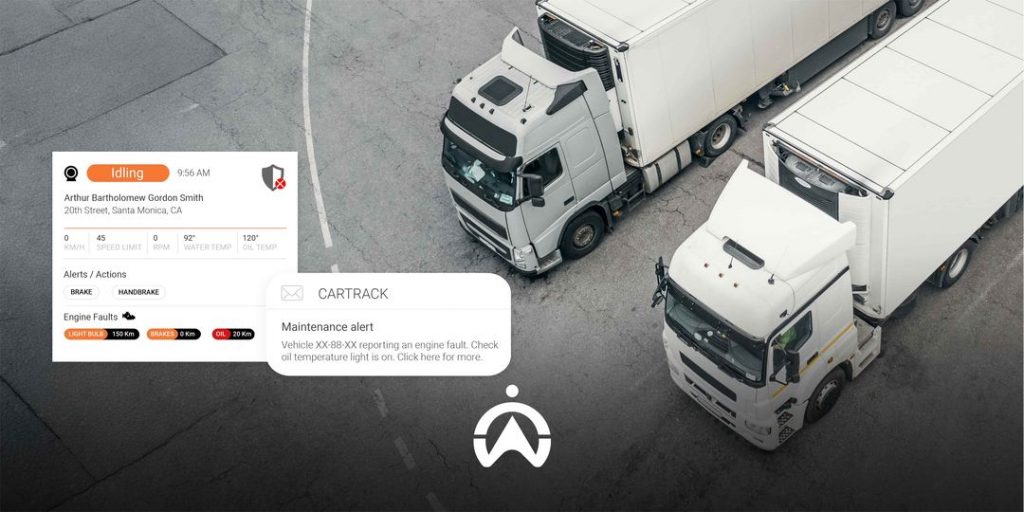
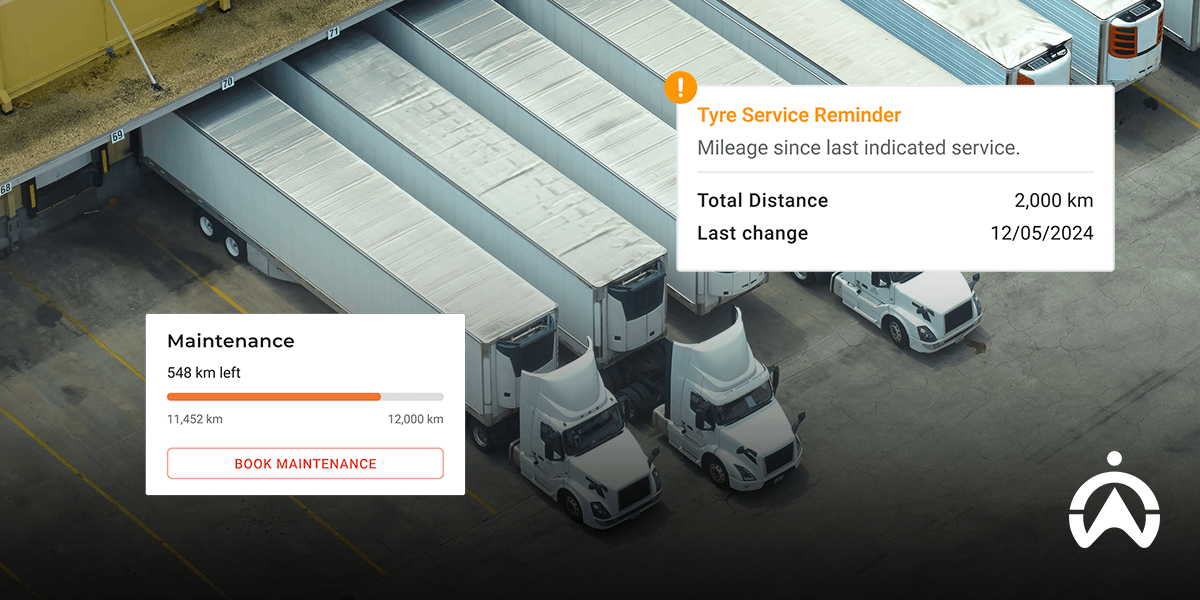
An FMS can help you schedule and manage all vehicle maintenance tasks, from daily inspections to a gearbox showing signs of a malfunction. These insights mean your fleet is always in tip-top shape, and when a major repair needs to happen, you will have already known and prepared for it, avoiding a potential accident or unexpected breakdown.
These insights allow you to not only save money but also accurately budget for repairs as well.
The Cartrack bonus: We have custom sensor integrations for specialised machinery that can monitor the equipment. Providing you with data to assess their condition so you can implement preventative maintenance to keep these optimised for use and minimise unexpected breakdowns.
Driver behaviour
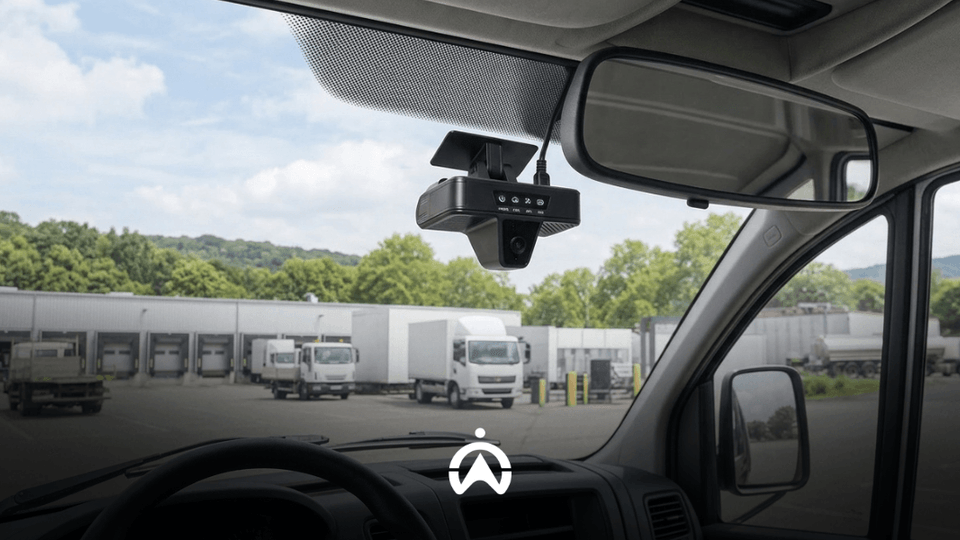
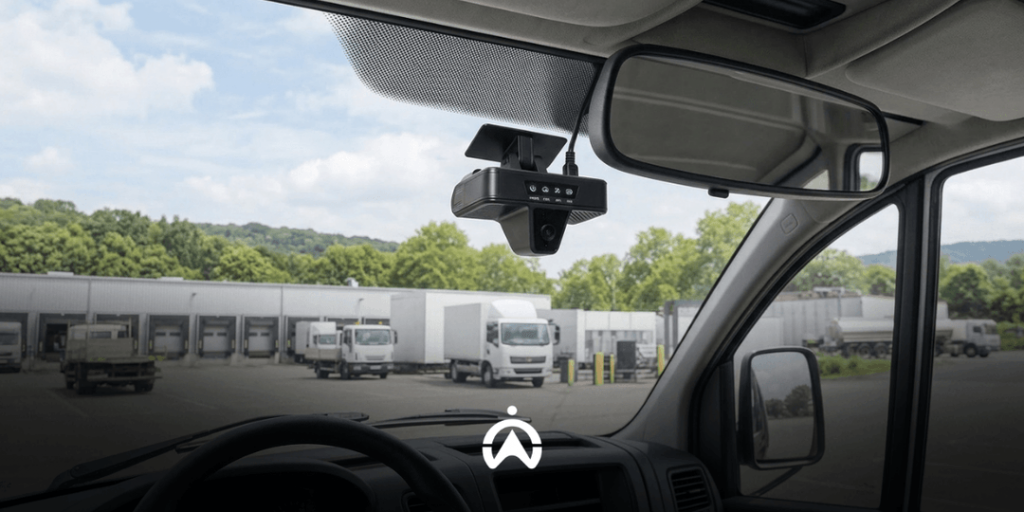
With a fleet management system, you can accurately monitor how your drivers are performing on the roads. The telematics device paired with AI-powered cameras allows you to not only have the data to see how your drivers were performing but also the visual data to see what they were doing while driving as well.
The major benefit is that the AI cameras not only immediately alert you as the fleet manager to a driving event, but they also come with instant in-cabin alerts so the driver is able to immediately correct their mistake.
The Cartrack bonus: Our system includes driver scorecards so your drivers are automatically rated on their driving performance, allowing you to individually coach each driver based on problem areas!
Hidden costs
When it comes to all those pesky hidden costs, let’s look at how having Cartrack’s fleet management system can help your budget:
- Unauthorised vehicle use: Geofences allow you to monitor when a vehicle leaves an area it’s not supposed to. Driver ID tags will only allow authorised drivers to use certain vehicles, and you can see exactly who started a vehicle at any given time.
- Accidents without evidence: Our AI-powered cameras not only keep an eye on the road so you’ll have evidence for any dispute, but they also keep an eye on the driver for any reckless driving so that you’re able to coach them! This way you’ll save on fake claims as well as fuel and possible accidents from better driving.
- Compliance penalties: Our driver reports and cameras will provide you with indisputable evidence for any disciplinary cases.
The Cartrack bonus: Worried about how much you’re spending on lost or damaged stock? Our camera solutions can be placed inside the cargo area to monitor & record every time the door is opened, so you have eyes on your stock anytime anyone is near it!
If you’re ready to have a complete understanding of your fleet’s TCO, then give us a call to see how we can help you save money and budget more effectively!
FAQs
How do you create an efficient budget plan for managing your fleet?
To create an efficient fleet budget, take a data-driven approach. This approach will help to place your expenses into fixed and variable costs, lay out clear operational goals and guide you on how your vehicles are performing and which ones should be replaced or removed.
What is the fastest way to reduce my fleet’s variable budget costs?
The fastest way to reduce your fleet’s variable budget costs is through driver behaviour. When you manage and coach your drivers to drive better, you bring down variable costs drastically. Harsh braking and aggressive speeding both burn more fuel and place more strain on wear & tear parts.
What features should you look for in a fleet management tool?
Look for features that can grow with your business, offer seamless integration with software you already have, and make sure you always have mobile access to important information. Your platform should also give you easy-to-understand route info, GPS pinpoints, and driver behaviour alerts. Beyond these important features, also look for software with fuel management, predictive maintenance scheduling, and automated workflows.