9 Car Checks You Should Never Skip Before a Long Road Trip
You should never skip regular maintenance and service checks before any long road trip. Check your spare tyre, the lights of the car, and make sure you have no cracked windows. The right checks ensure your car, your family, and you are safe during any road trip—long or short.
As we head into the festive season, these checks become more important for your safety. Without the right checks done, you may end up stranded somewhere unfamiliar, without any help. Being prepared means you do the right checks, and having a trusted partner to call on whenever & wherever you are in the country.
Why should you do spot maintenance before going on any long trip?
Doing spot maintenance on your car before a long road trip ensures your engine, wheels, or safety systems won’t fail. Keeping your car in a working state means more than just ensuring it starts up. It needs to be reliable and capable of handling unexpected dangers on the road.
During our everyday commute, most cars don’t reach their full operating temperatures. When you’re doing a long road trip, this changes. Your car will operate for long hours without stopping. Each hour spent on the road is another hour your car has to operate at peak efficiency.
Increasing the punishment your car goes through are the road conditions countrywide. While cities and small towns may have good road infrastructure, the further you drive from civilisation the worse it gets. Roads may have potholes, be littered with debris, or be completely washed away due to recent storms.
With millions of people using the roads each day, a simple breakdown in your home city could become a life threatening situation.
The 9 car checks you have to do before going on a long road trip
1. Check your fluid levels (Oil, coolant, and washer)
Your car’s oil and coolant must be checked regularly. Check the oil condition and level by using the engine dipstick. Your car’s coolant levels can be checked on the reservoirs. A cold engine should have the fluids at the indicated lines. Coolant and oil keeps your engine SAFE, COLD, AND EFFICIENT.
Your washer fluid is easier to check, and will play a more visual role in your safety. Any long road trip will go through dust, rain, or worse. Having a windscreen covered in grime reduces your ability to see hazards on the road. Clean water is all you need to refill this in a pinch.
2. Check your belts, hoses, and wires (No obvious leaks, loose wires, or moaning belts)
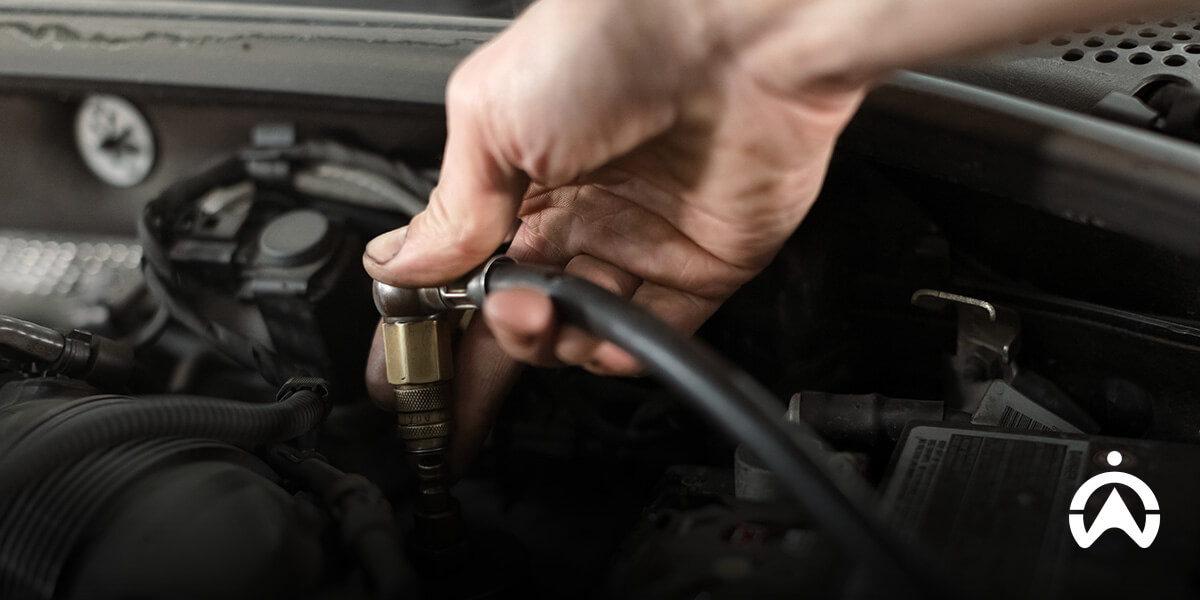
Lift the hood of your vehicle and check every hose, belt, and wire you can reach. Hoses should have no fluids on the exterior. Wires shouldn’t be exposed or loosely fitted. Belts should not squeak or make loud sounds. There are hard to reach parts of your engine that are best left to a trained mechanic to check.
Many drivers never even do a cursory check on their wires, hoses, or belts. When you’re traveling on a long road trip, any of these can cause catastrophic engine failure.
3. Replace your filters (Oil, fuel, and cabin filters)
THREE filters in your car need to be replaced before you take any long road trip. The oil and fuel filters ensure that the fluids in your car are always clean. The fuel filter ensures that every drop of fuel you use is clean and safe. Oil filters increase the longevity of your oils, catching debris that may contaminate your oil.
Cabin filters are often forgotten by drivers, but on a long road trip they’re essential. You may drive behind a truck blowing diesel smoke or even drive through sand storms. Cabin filters keep the air inside the car clean and breathable, especially when you’re recycling the inside air.

4. Do a battery test (Check its health and age)
Car batteries are forgotten until they fail. Every car battery has a set amount of OPERATIONAL hours. Once they start reaching their ‘end of life’, the voltage they deliver will decrease. You can check the health of your battery using a volt meter. Alternatively, you can rely on a tracking partner that has built in battery testing systems.
Cartrack units measure the voltage from your car battery, sending a low-battery alert if the voltage drops or if the battery is disconnected. If you know your battery is old or you get regular low-battery alerts from your tracking unit, it’s always best to replace it.
5. Make sure all the lights work (Indicators, reverse, brake, fog, and headlights)
The most overlooked safety check you may forget to do is checking your lights. Your indicators, reverse lights, brake lights, headlights and high-beams can all fail without notice. Before departing for your trip do a check on each one. Ensure they are not too dim or broken.
If one of the lights seems weak, it’s safer to replace it. This ensures you’re safe on the road. It also avoids a possible fine when you’re pulled over.
6. Have the brakes and alignment checked (Pads, discs, fluids, and wheel alignment)
Your brakes and wheel alignments have a big effect on the safety of your drive. Before the day of your departure, take your car to a specialist to have all of these checked. They’ll check your brake discs, pads, and brake fluid levels. Recommending a change if needed.
Getting your wheels aligned once a year is vital to increasing the longevity of your tyres. Doing so before any long road trip drastically improves the safety of your car on the road.
7. Check your tyre health (Tread depth, tyre pressure, and overall condition)
The easiest way to check your tyre tread depth is with a coin. Checking your tyre health is something you can do at home with a few simple tools. In Eswatini using a five lilangeni coin works best. The tread of your tyres need to reach the golden circle in the middle of the coin at the minimum.
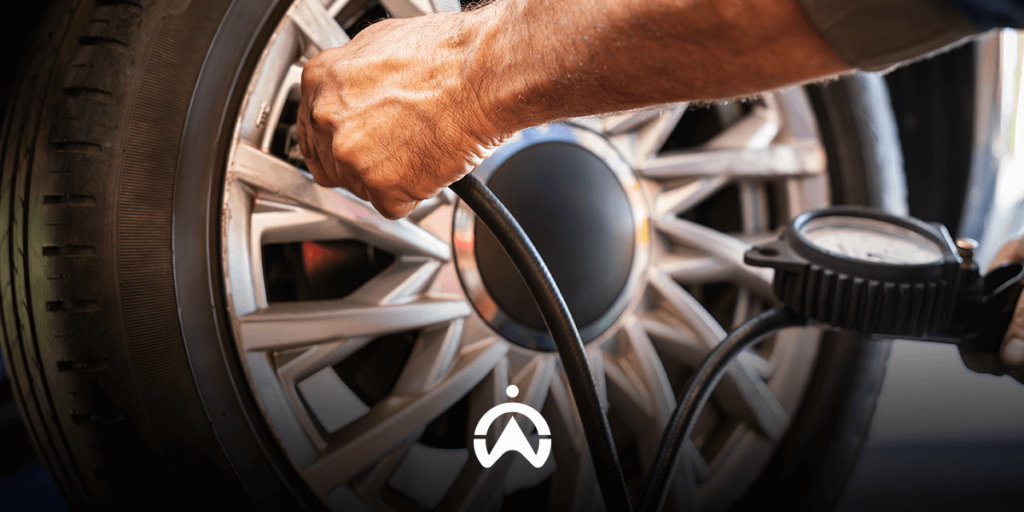
Once the tread depth is checked, the inside of the driver-side door will have a sticker that indicates what the right pressure of your tyres are. During your wheel alignment you should ask the team to rotate your tyres as well. This means moving the rear wheels to the front, and the front to the rear.
8. Make sure the spare tyre is working (Cracks, pressure, and size)
Easy to overlook, disastrous to forget, the spare tyre is one of the most important parts in your emergency kit. Anything can happen on the road, and that includes having a tyre that looks perfect suddenly getting a puncture in the middle of nowhere.
Check your spare tyre for cracks, pressure, and overall health. Be sure that you know where it’s kept if you’re driving an unfamiliar car, and that you can fit it alone if needed.
9. Check for cracks on any of the glass on your car (Windscreen, mirrors, rear windscreen, and side windows)
A small crack on the windscreen of your car can quickly become a crack that spreads across your entire vision. Check your windscreen, the mirrors, rear, and side windows for any chips or cracks that may cause a problem. Replace these or have them fixed before they become a bigger issue.
Bonus | 5 Extra tips for drivers with trailers
Knowing how to get your car safely on the road is already a WIN. But what if you’re going for a long time? Maybe you’re camping for a few weeks out in the bush. What checks should you do for a trailer?
- Inspect the tow hitch and coupler: Before hitching the trailer to your car, check the tow hitch and coupler. Make sure they are tightened correctly and that the coupler is wired properly.
- Check trailer lights and wires: Connect the trailer’s wiring harness to the tow hitch and coupler to test trailer lights. The reverse lights should go on with your car, as well as the indicators and brake lights.
- Balance and secure the load: Most trailers only have one axle. This means the heaviest luggage should be loaded at the front. Balanced loads prevent the trailer from tilting backwards, putting the wrong pressure on the hitch. Unbalanced loads can cause a trailer to swerve or ‘jump’ off the hitch.
- Check its tyres and pressures: Chances are your trailer has been in storage for close to a full year. The tyres and axles should be checked and properly lubricated. Tyres have to be crack free and the axle needs to turn unobstructed.
- Test the braking and safety chain: Larger trailers have their own brakes that apply when the car stops. Check to ensure these brakes are working and not rusted open or closed. All trailers in Eswatini have safety chains, check the chain to ensure it’s bolted on properly to the trailer arm.
What should be in the emergency kit for a long road trip across Eswatini?
When doing a long road trip across Eswatini your emergency kit should have the basic trauma kit and safety tools. Drivers should check that they have these before any trip they make. This is true even when driving in your home city. There are many other parts you should have in your emergency kit.
The table below lists all the items your emergency kit must have and why:
When traveling across the country, how can roadside assistance help you?
Roadside assistance when traveling across the country helps you stay safe and prepare for the worst. If you have chosen the right assistance a new battery, emergency fuel, or emergency services are all only a call away. When you are in an emergency, the right assistance you rely on already has solutions to the most common problem you may face.
These are the 4 most common problems and how to solve them:
- Problem: A flat tyre or breakdown and you don’t have the right tools.Solution:
Cartrack has roadside assistance you can call, a technician will come out with all the right tools to get you going again.
- Problem: You might not know where the nearest repair shop is in another province.Solution:
Using Google maps or contacting a 24/7 support centre that knows the area will guide you to the nearest specialist you need.
- Problem: A dead battery or lost keys delay your trip.Solution
: Just a quick call to your insurance or tracking provider and you’ll have a technician with a new battery or the right cables at your disposal.
- Problem: When you’re traveling with your family, the dangers of your car being stolen or being in an accident increase.Solution
: Safety isn’t just actively calling for help. You can drive without stress because you know your tracking unit can detect crashes. Alerting the right emergency services if you’re unable to make the call yourself.
How Cartrack’s tracking keeps your family and vehicle safe when traveling on a long road trip
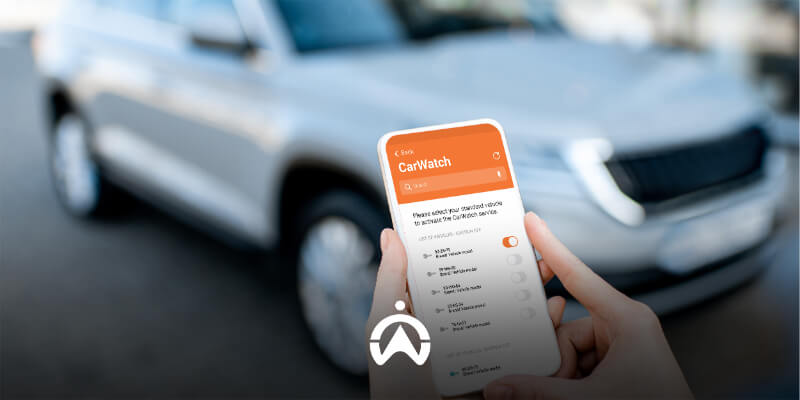
Cartrack’s units monitor your location, keeping you and your family safe anywhere in Eswatini. With advanced crash detection and geofencing you can be assured you’re safe wherever the road trip takes you. When parking in unfamiliar cities or towns, Carwatch features keep your car safe.
Our recovery teams are active nationwide and are mobilised by our 24/7 control room. Your long road trips aren’t just made easier. With us you can enjoy the open road with peace of mind, and carefree wind in your hair.