What to Do When Buying a Car from a Private Owner
Buying a car directly from a private owner is slightly different from buying one second-hand at a dealership. There are important quality features to check that’ll help you match up the car with what you’re paying (or should be paying). Determining the value involves looking at the history, inspecting the current condition, and trusting your instincts.
Then there’s the paperwork, which involves legal considerations and payment security. Online spaces like Facebook Marketplace and local classified groups are regularly flooded with used car deals. While this is often a quicker way to sell, some users do it for dubious reasons, like hiding mechanical faults or overcharging unsuspecting buyers.
Cartrack will walk you through the second-hand car purchasing process step by step so that you get the best deal when buying a car from a private owner.
What’s the first thing to check before buying a car from a private owner?
The first thing you need to establish before buying a car from a private owner is that they do actually own the car. The proof of ownership document is a MUST, and there are ways you can confirm if the registration certificate (TF131) is real or fake.
Once you get to the private owner to inspect the car, ask them for the TF131. Then:
- Hold the registration document up to the light to verify the official Government of Eswatini coat of arms watermark embedded in the paper.
- The font shouldn’t be bold or underlined, and the font shouldn’t look custom in any way.
- There’ll also be visible text in the middle of the page. This must be 100% centred.
- The ink on the front should also be visible on the back of the page.
- “TF131” should also be printed on the corner of the page.
- Look for the issue number which affirms the authenticity and originality of the doc.
- Match up the VIN on the document with the VIN on the car registration disc (on the car’s windscreen).
What paperwork is needed for buying a car from a private owner?
Along with the TF131 document, both you and the seller must complete a local change of ownership application. Once signed, the buyer must take the documents, along with their national ID and a valid roadworthiness certificate, to the Eswatini Revenue Service (ERS) or nearest licensing hub to update the registry and finalise the legal transfer.
Optional paperwork worth considering for due diligence:
- Proof of bank account (stamped)
- Roadworthy certificate (Obtained from an official local vehicle testing station)
- A sales agreement with details of the sale (signed by you and the previous owner)
- Receipts that pertain to the service history
- A bank settlement if the car isn’t fully paid off yet
How should you inspect a used car before buying from someone?
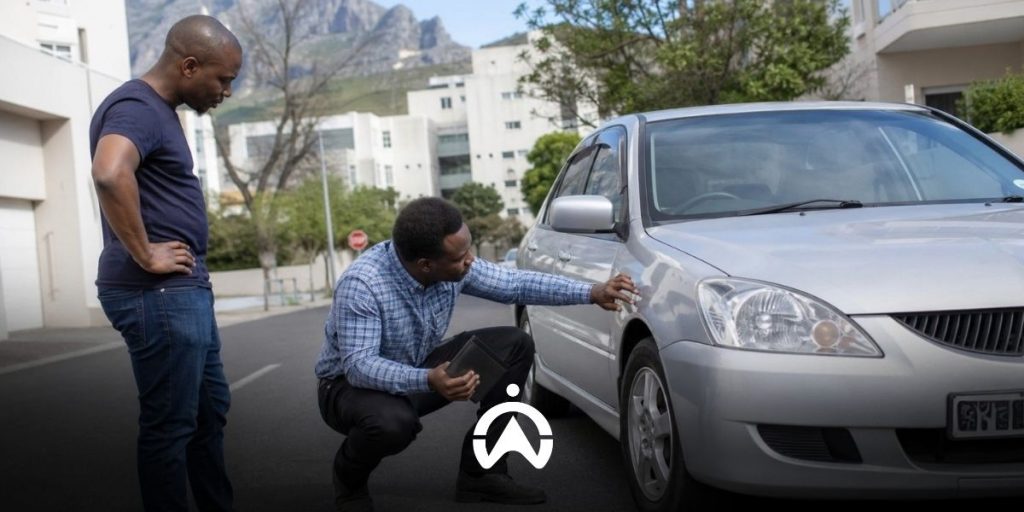
When inspecting a private owner’s used car before buying, use this checklist:
- Uneven tyre wear & tear
- Windscreen cracks (even tiny ones)
- Buttons in the car like locks, windows and dashboard switches
- Minor mismatches on paintwork
- Scratches or bumps on panels
- Oil stains where the car is parked
Seeing evidence of damage or a past accident might not cause you NOT to buy the car, but it’s relevant to bring up with the previous owner. They should be charging according to the car’s current condition and must declare if the car’s been in an accident.
What should you look out for while test driving a used car?
When test driving a used car (which is highly recommended before buying), make sure you do short-stop driving as well as long-distance driving. Short distances will give you a feel for the brakes & suspension, while long distances will allow you to listen out for rattling noises or car performance issues.
Suburban driving observations
Drive over a few speed bumps and note how the car’s suspension handles it. Also observe how the brakes handle stops at red lights and stop signs, and don’t forget to take note of how well the car pulls off from these points (clutch-related). You’ll also pick up if there’s engine hunting, which could indicate a damaged engine head or other less-serious problems.
Highway driving observations
Long drives let you check a few other important things, like whether the engine overheats or if the car makes rattling sounds. Pay close attention to the steering wheel when you do a highway drive, because vibrations could point to wheel alignment imbalances.
Post parking observations
If you can, park somewhere else after your test drive is over. Go back to where the car was parked initially and look for fresh oil stains. A car that leaks oil will have mechanical issues that need to be addressed with the previous owner.
Also check the handbrake by parking on an incline if possible (although you can also test this while driving around town). Test the indicators, lights, and hazards while you’re parked and safe, and feel free to get out of the car to see if they work externally.
What should you do if the previous car owner has a tracking device installed?
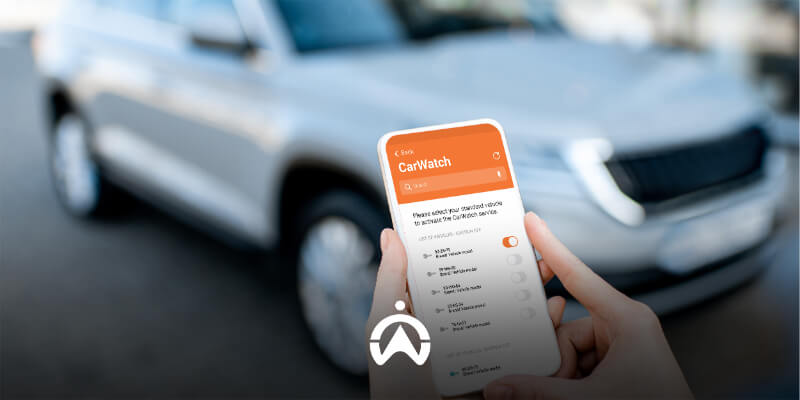
If the previous car owner has a tracking device installed, you can speak to them about either having it removed or having the tracking service transferred to your name. In the latter case, the device will simply remain installed, and you can contact the tracking service provider to change ownership.
If it’s a Cartrack device, we make this process simple. Just give us a call and we’ll do the heavy lifting on your behalf.
Safety considerations for your new, used car purchase
If you just landed yourself a good deal on a used car, consider protecting it with a GPS tracking device if it doesn’t already have one.
It’s also highly recommended by many local influencers that all cars install a dashcam, as this offers a myriad of safeguards for motorists like you.
If you have any Cartrack products in your old car, speak to us about transferring them to your newly-purchased one, and we’ll schedule a visit.
FAQs
What can I reasonably expect from a used car with high mileage?
It’s reasonable to evaluate a high-mileage car based on its condition & age rather than its odometer reading. That’s because some cars (ones that aren’t necessarily ‘old’) are used for long-distance driving more than urban driving, which is actually a good thing in terms of wear & tear. Judge the age and general condition—together with the mileage—to accurately assess the car.
What is the most popular second-hand car?
The most popular brand of second-hand car is Toyota. It remains a firm favorite among used car buyers in Eswatini due to its unmatched reputation for longevity, reliability, and excellent fuel economy. The Toyota Hilux, in particular, is highly sought after across the Kingdom for both personal and business use because of its rugged durability on local roads.
How much value does a new car lose after purchase?
If you buy a car brand new, you can expect it to lose around 10% of its value as soon as you drive it off the lot. It will also lose another 10% to 15% within the first year of driving, depending on your driving habits and vehicle care routine.