The Top Challenges of Last-Mile Delivery and How to Overcome Them
To overcome the challenges of last-mile delivery, you have to implement a delivery management system that has solutions for each one. These are:
- Labour cost reduction through AI route planning
- Faster delivery times from drivers
- Decreased fuel and maintenance costs
- Package security increased through real-time driver location data
On-time and cost-efficient delivery is ESSENTIAL. In 2025, the courier and express market is expected to be worth over USD 223.63 million. This means that if you are experiencing bad or failed deliveries, it can be a significant setback. Companies and customers expect packages to move without interruption.
Costs involved with last-mile delivery must be managed, and your solution to fleet dispatching is where this starts.
How to overcome the biggest obstacles facing last‑mile delivery in Eswatini?
The biggest obstacle last-mile delivery faces is the high costs of labour. These can be overcome through:
- Using advanced route planning to reduce labour costs
- Implementation of a delivery management system
- Scheduling to reduce driver delivery times
- Decrease fuel costs with real-time tracking
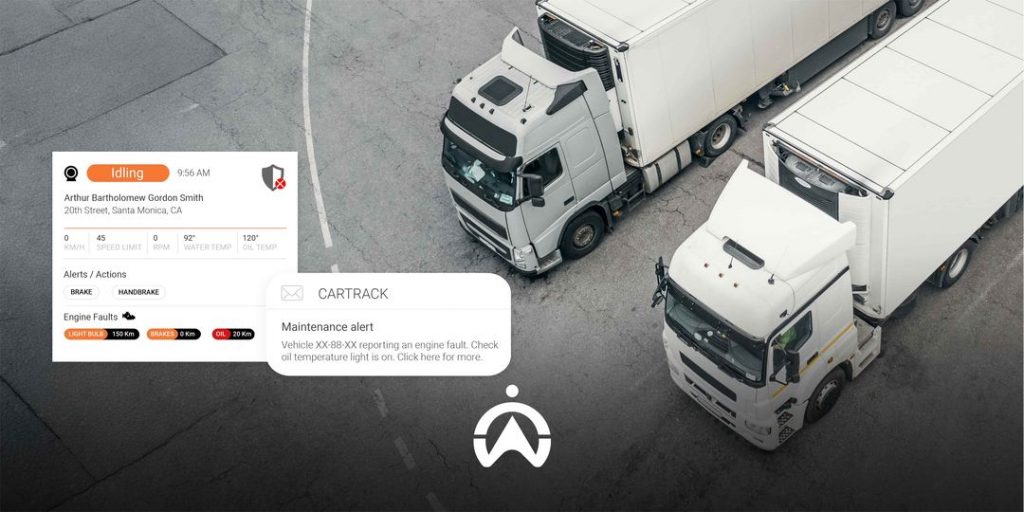
- Manage maintenance through a central management system
Apart from the manageable obstacles that any fleet faces, there are several that are out of the control of any management team. Road quality, congestion, and stolen parcels are unavoidable, but can be planned for with the RIGHT fleet management system.
Managing your last-mile delivery costs involves having a team that’s capable of seeing where parcels, drivers, and clients are. Without a proper management system, or worse, one that’s disconnected, you may not be aware of how much you are losing on your last-mile deliveries.
What are real-world last-mile solutions that have worked?
The challenges created by last-mile delivery aren’t unique to any one company. There are thousands of deliveries made each day. Each successful delivery is a success story of overcoming challenges, obstacles, and possible disasters. Two of the success stories that we can look at are delivering to inaccessible areas, and the success of cold chain delivery.
Expanding Delivery into Inaccessible Areas Using Smart Pick-Up Points
A large Eswatini retailer faced the challenges of delivering daily parcels to areas with high crime rates and poor infrastructure. They already had a system that used traditional delivery methods, which only resulted in delays, stolen packages, and dissatisfaction.
- Challenge: Delivering to hard-to-reach and high-risk areas where home deliveries repeatedly fail.
- SOLUTION: The company implemented a network of local pick-up points and a confirmation system for drop-off and collection.
- Outcome: It was quickly confirmed that delivery became reliable and theft during transit stopped.
- Benefit: Customers are much more satisfied and repeat orders increased. The total operation costs decreased.
Solving Cold Chain and Fulfilment Issues in Grocery Deliveries
Cold-chain integrity is one of the most challenging issues faced by Eswatini grocery companies. Summer heat, infrastructure, and delays caused last-mile delivery delays. Customer satisfaction was decreasing, and the costs involved in keeping cold was too much.
- Challenge: Maintain the cold chain integrity of perishable goods and have the right orders delivered on time.
- SOLUTION: A reliable logistics partner that helps to adjust routes, integrated systems, and efficient reverse logistics when needed to keep food fresh.
- Outcome: The order accuracy and customer satisfaction improved, while food spoilage decreased and product quality was unaffected.
- Benefit: Drivers spend less time on the road with improved routes, fuel costs decreased, and food spoilage means less overall loss.
.jpg)
Why are last‑mile delivery costs so high in Eswatini?
Eswatini has a challenging delivery environment, with large urban sprawls and outdated infrastructure that increases last-mile delivery costs. Tougher-to-reach locations increase the labour involved, which means the cost of getting a package delivered is always increasing.
This challenge means fleets become more expensive, impacting the last-mile delivery cost.
Fleet sizes and area coverage affect delivery prices further. A larger coverage area means drivers can be managed improperly and take longer to complete their deliveries. This inefficiency decreases delivery efficiency, inflating your fleet costs. You’ll also have to adjust to customer expectations as you grow.
Customers now expect same-day deliveries. A product ordered in the morning has to be delivered in the afternoon. This pressure means more mistakes can be made and last-mile delivery costs increase.
However, when a complete fleet management solution has been properly integrated, these are costs and challenges you’ll have the solution to.
The problems a Eswatini fleet has to face and how they are solved
Local last-mile delivery challenges are some of the easiest to solve when a proper management system is installed. This is how a dispatch system keep your costs down:
Problem: Parcels are stolen or reported as undelivered, with no real way to confirm whether the driver or client is lying.
SOLUTION: The solution is simple, a confirmation delivery system that requires the driver to take a picture of the parcel delivery, and the client to sign.
Problem: Your drivers are repeatedly going to the same address, unable to find the client; and clients are complaining that drivers are never on time.
SOLUTION: This requires a system that sends live-alerts to your drivers and clients, letting them know the day before (or earlier) that a delivery is on its way and when it will arrive.
Problem: Unfortunately, there are many informal addresses in Eswatini, and as we continue to grow new areas may require deliveries before maps are updated.
SOLUTION: There are two solutions to this problem: exact pinned locations from your clients, as well as live location tracking. Accurate locations mean your drivers don’t have to look for addresses on the side of the road.
Problem: Packages are delivered to the wrong address or packages are sent back because of damage to the product.
SOLUTION: To solve this you need to have an integrated tracking system, knowing where packages are at each step of the delivery process. Tracking knowledge ensures damage is mitigated and packages are delivered to the right people.
Problem: Even with notifications, clients are confused about where a package is, often expecting a delivery on the wrong day.
SOLUTION: The best way to solve this is through live updates to your clients, sending SMS notifications and having a portal they can use to track their packages from hand-off to final delivery.
What role does vehicle security play in Eswatini’s last‑mile risks?
Vehicle security creates safer work environments for drivers, by tracking packages, and routing drivers through safer areas. Drivers may be taken on routes that are slower, which have roads that are maintained and are safer to use. This slower speed may initially seem detrimental, but as is commonly said, slow is smooth, and smooth is fast.
Here’s how security choices will affect your last-mile deliveries:
The step-by-step strategy that reduced failed delivery attempts
Failed deliveries can quickly cause your costs to skyrocket, with many fleets only allowing one redelivery for free. To ensure your fleet doesn’t have to reattempt delivery, there are several steps you can implement:
- Delivery time windows: When delivery is confirmed, offering clients a selection of delivery windows gives them more control. Clients will choose the best time for THEM.
- Advance SMS & App notification: Outdated systems don’t notify customers ahead of time. Implement a system that notifies clients ahead of time (preferably a full 24-hours) about a scheduled delivery.
- Drop point delivery: Clients may not be able to take delivery of a package at all times. Using a drop point system allows clients to choose a locker or decide on in-person pickup, decreasing failed deliveries.
- Flexible re-delivery options: Offer clients the option to reschedule deliveries to different times entirely. Freeing up your drivers for other deliveries and ensuring clients are there when needed.
- Incentivise driver availability: During peak delivery times you need to ensure as many drivers are available. Through incentives such as flexible shifts, and performance rewards means you have more drivers when you need them.
.jpg)
How does route optimisation help Eswatini last-mile deliveries?
Route optimisation helps last-mile deliveries by reducing:
- Labour costs
- Travel times
- Fuel costs
The less time it takes drivers, routing staff, and others to work with a package, the more efficient your system becomes. An efficient delivery system is faster, making clients happier, and reducing costs.
Route optimisation will ensure that your fleets aren’t wasting time on unnecessary delays, longer routes, or problematic breakdowns.
How exactly does route optimisation software save money on deliveries?
Route optimisation reduces the fuel used on unnecessary travel distances. The software can calculate traffic, which means your drivers will not be stationary for long. Further, the knock-on effect of driving less and being efficient means reduced maintenance and service intervals.
Optimised route = reduced fuel usage
Can route optimisation make a difference in places with poor infrastructure or informal addresses?
Yes, route optimisation uses accurate GPS location data. Once a delivery address has been confirmed the system easily shows a driver where to go. Further, the system can be set to avoid dangerous areas, using alternative paths that have safer and more maintained roads.
Route optimisation = accurate location data
Is route optimisation only important for larger delivery fleets?
No, even the smallest fleet can experience big benefits from a delivery and dispatch system. Smaller fleets have to plan even more than large ones. Ensuring that your limited number of drivers are where they should be. Drivers that aren’t where they’re meant to be can easily be tracked, rerouted, and made more efficient.
Route optimisation = even small fleets become efficient
How can Cartrack technologies improve visibility and tracking in the last mile?
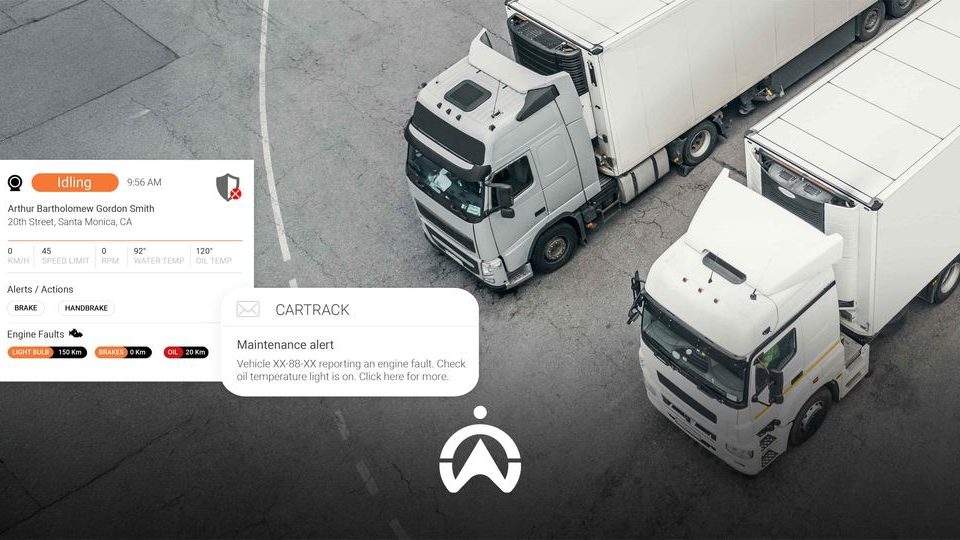
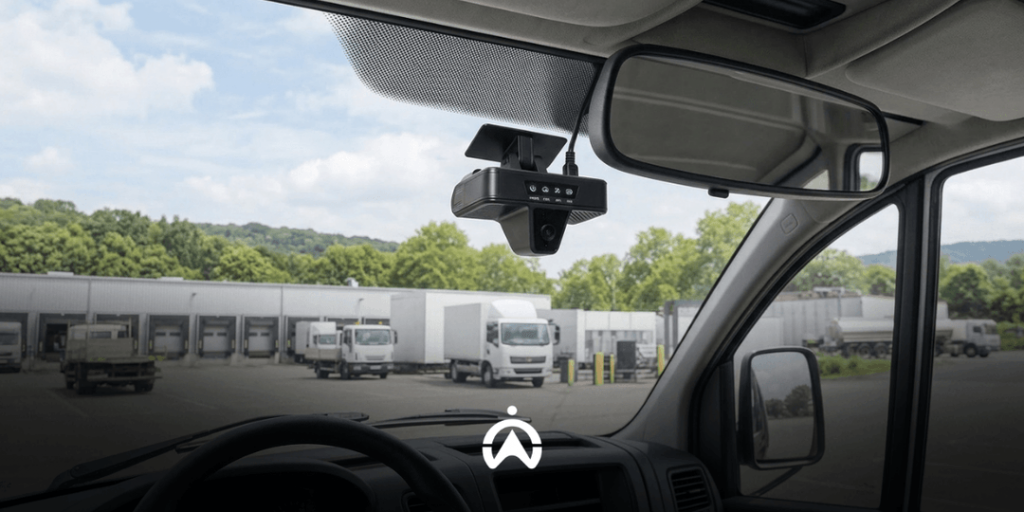
Cartrack’s delivery system SEAMLESSLY integrates driver routing, package tracking, and fleet management. Your fleet becomes fully visible, lowering the high costs associated with final-mile labour costs. When fully implemented and integrated, your drivers can easily and accurately deliver packages across the country.
The last mile is the most expensive and unpredictable part of delivery in Eswatini, but it doesn’t have to be. With the right tools you get:
- Smarter routes
- Better visibility
- Confirmed deliveries
You can reduce costs, improve reliability, and keep customers happy. If you’re still managing last-mile challenges manually, it’s simply time to change and embrace the autonomy of fully integrated delivery management systems.
Don’t take the risk of letting packages get lost, take full control of your dispatching, give Cartrack a call.