What to Look for When Buying a Second-hand Car
When you’re looking to buy a second-hand car, the most important thing is knowing what usage you’re looking to get out of the car. Are you looking for an everyday car for short trips or a kombi for the school holidays?
Either way, buying a second-hand car in Eswatini’s current economic climate makes sense, but it can be a major risk if you’re not sure what red flags to look out for. Accident damage, tampered mileage, hidden mechanical issues, and unpaid finance are just some of the factors that can turn what looks like a bargain into a financial nightmare.
This guide takes you through everything you need to check before sealing the deal—from paperwork and inspections to negotiation tactics and protection strategies. And once you find that perfect ride, teaming it up with reliable vehicle tracking and recovery from Cartrack ensures your investment stays safe right from the start.
What exactly to look for before buying a second-hand car
- Set a clear budget: know what you can afford, including ongoing costs.
- Decide where to buy: compare dealer safety versus private seller risks.
- Do a full history and service check: verify accidents, finance, theft, and mileage.
- Check the exterior: rust spots, tyres, dings, and poor alignment of panels.
- Inspect the interior: look for damage, smells, and electrical faults.
- Test all electronics: make sure the AC, windows, and dashboard lights work.
- Check under the bonnet: look for leaks, worn belts, the battery and fluid quality.
- Take a full test drive: listen for noises and check handling.
- Check paperwork: make sure of ownership, roadworthiness, and legality.
- Get a written agreement: protect yourself during private sales.
- Plan for security: install a tracking device to safeguard your car.
Set your budget and know your needs
The most important step before you start looking at a second-hand car is to set your budget and know your needs. It’s important to keep in mind that ongoing costs like fuel, maintenance, licensing, and insurance in Eswatini could all add up rather fast.
Other factors, such as the fluctuating price of petrol and vehicle tax hikes, all take their toll on the total cost of ownership. So consider your lifestyle needs carefully. Where a student may only need a small hatchback, a family might want a large SUV that provides space and extra safety.
It’s important to distinguish your must-haves—such as safety and reliability—from your nice-to-haves, such as leather seats or high-end sound systems.
Don’t stretch your finances too far. Leave room in your budget for emergency repairs, tyre replacement, annual services and insurance premiums. It’s smarter to choose a basic vehicle that you can afford to maintain, rather than a feature-packed car that’ll prove to be a financial headache later on.
Should you buy your second-hand car from a dealership or a private seller?
You should buy your second-hand car from a dealership because they provide better protection. On the other hand, private sales often mean lower prices and better negotiation options. Either way, you still need to thoroughly inspect the vehicle to make sure you’re not getting a lemon.
Dealerships in Eswatini, especially if they’re members of Business Eswatini (Motoring Industry sector) or part of a well-known franchise, typically offer vehicle checks, warranties, and roadworthy certificates, making it a lot safer for first-time buyers who might not be knowledgeable about car evaluations or the legal requirements for a Blue Book transfer.
If you’re shopping privately, sites like Facebook Marketplace are full of used car listings, but they come with higher risks. You often lack guarantees about the car’s condition, and scams are extremely common.
No matter which route you choose, clarity is key. Always ask for documentation, proof of service history, and repair records. If you go private, consider bringing a mechanic or getting an independent inspection before you commit. Remember, peace of mind beats rushing into a deal just for a bargain.
New car vs second-hand car — pros & cons
If you’re still unsure if you should buy a new car or a second-hand one, this simple table breaks down the pros and cons of each. This will help you make a more informed decision before you hit the showroom floors!
Do a full vehicle history check
Before you buy a second-hand car, it’s incredibly important to do a full vehicle history check. Understanding where this vehicle has been and how it was treated is essential. A history check helps you uncover various concerns, like accident damage, outstanding finance, mileage tampering, or even if the car was stolen.
This information can protect you from costly unexpected expenses and also gives you confidence in negotiating the purchase price.
Here’s what to check:
- Request the VIN number and check the ownership and its legal status with it.
- Utilise vehicle verification services, such as CTA (Central Transport Administration) or other Eswatini vehicle verification platforms.
- Check for outstanding finance because the vehicle cannot be sold legally if there is still money owed on it.
- Confirm that the car hasn’t been stolen, written off or imported illegally.
- Review the service history for any records that will show consistent mileage and regular servicing.
- Look for missing or skipped service intervals; these could be indicative of tampering.
- Look into large repairs or accident history, including things like chassis or flood damage.
- Request repair invoices or maintenance records that detail previously completed work. If unsure, invest in a pre-purchase inspection by a qualified mechanic.
Inspect the exterior
Start your inspection outside the car, focusing on the paintwork and how the panels align. If you spot uneven panels, mismatched paint, or overspray, it could be a sign of previous accident damage. Look for rust around the wheel arches or windscreen; this often points to long-term moisture exposure, especially in coastal areas.
Next, check the tyres for wear and condition. Odd wear patterns might signal worn suspension or misaligned wheels. Make sure all the lights are working and that the mirrors aren’t cracked or loose. A chipped or cracked windscreen could end up costing you quite a bit to replace.
Check the car in daylight. Good lighting helps you spot dents, scratches, and signs of repainting that might go unnoticed in dim conditions. Kneel down for a closer look at the bodywork and run your hand along the panels. A thorough visual check can reveal significant clues about any past damage.
Inspect the interior
Inspecting the interior of a second-hand car is a must before you purchase! The interior often tells the real story of how well the car was looked after. Start with the upholstery and dashboard: tears, stains, and worn fabrics could signal neglect.
Listen for rattles and check for signs of water damage such as damp smells or mould, especially in coastal or flood-prone areas. Test all the electronic features. Turn the air conditioning, radio, windows, touchscreen, and central locking on and off.
Check if the dashboard warning lights turn on when starting the ignition and then turn it off after that. If they don’t turn off, this might indicate serious problems such as engine issues, electrical problems, or malfunctioning airbags—all requiring professional attention.
Look for signs of tampering. Scratched screws, loose panels, or trims that don’t fit properly are signs of previous repairs or modifications. Check seatbelts also for fraying, since safety equipment should always be intact. Generally, an immaculate interior characterises a responsible owner, while a neglected one hints at hidden mechanical issues.
Check under the bonnet
Next, pop the bonnet and take a look at the engine bay. Look for leaks, corrosion, or worn components. Fluid levels should be clear and at the right level. Oil that’s sludgy or thick may indicate maintenance that’s overdue; milky oil can point to serious engine problems such as head gasket failure
Give the belts and hoses a good look for any cracks or fraying. A worn belt can snap and cause engine damage, leading to costly repairs. Don’t forget to check the battery as well! Given the load-shedding (for EVs) and extreme temperatures in Eswatini, knowing how old the battery is can really help when planning for a future replacement.
Remember, just because the engine bay looks clean doesn’t mean the car’s in top shape. Excessive oil stains, loose wiring, or old clamps can hint at neglected maintenance. If everything else looks good, consider getting a pre-purchase inspection. Having a mechanic do a compression test or diagnostic scan can save you from unexpected costs down the line.
Take a proper test drive
Always push for a proper test drive. Start the engine and listen for any weird noises like knocking or ticking. During the drive, check how the steering responds and how the suspension handles. If it pulls left or right, it might need alignment or could’ve had a bump in the past.
Try it out in different scenarios: stop-and-go traffic, open roads, and ideally, the highway. Pay attention to the brakes and where the clutch engages. If you notice jerky gear shifts or vibrations, that could signal transmission issues. Keep an eye on the temperature gauge too; older cars often struggle with overheating in our hot summers.
Turn the radio off while driving to catch any squeaks or rattles. Test the turning radius, acceleration, and emergency brakes. If something feels off, don’t brush it aside. You can always ask for another test drive or walk away. The right car should feel solid, reliable, and trustworthy.
Understand the paperwork
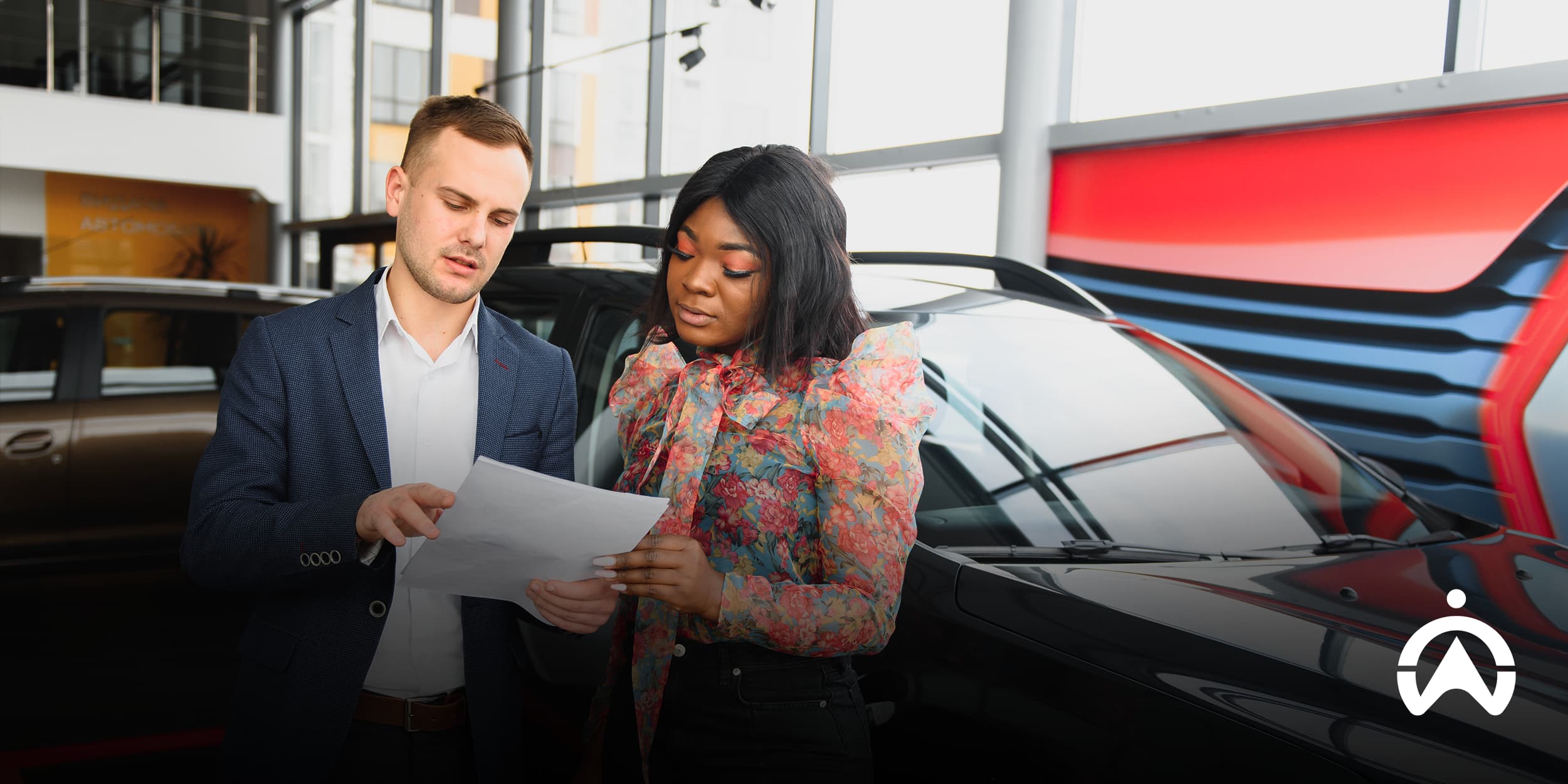
Paperwork serves as your legal proof of ownership and protection as a buyer. In Eswatini, missing or outdated documents can cause delays, legal issues, or even fines. Before you buy, make sure you have every required document ready and valid.
Here’s what you need to get:
- Registration document: This confirms legal ownership and vehicle details.
- Valid roadworthy certificate: It should be less than 60 days old at the time of sale.
- Proof of sale or sales agreement: This protects you legally in case of disputes.
- Stamped service book or digital service records: These verify the maintenance history.
- Copy of the seller’s ID and proof of address: This helps confirm authenticity.
Things to check carefully:
- The VIN number on the chassis should match the documents.
- Make sure there’s no outstanding vehicle finance.
- If you’re buying privately, get a written agreement and signed receipt.
- Remember, you have 21 days after deregistration to transfer the vehicle into your name.
With solid paperwork, you ensure smooth ownership, and the deal isn’t done without it.
Protect your new purchase
After you’ve sealed the deal, it’s time to protect your purchase. With car theft, it’s wise to take steps to safeguard your investment. Installing top-of-the-range tracking and recovery tech can really help secure your car against hijacking, theft, or unauthorised use, particularly if you’re in a high-risk area.
This is where Cartrack makes a real difference. From day one, Cartrack protects your secondhand car with live GPS tracking, AI dashcams, and industry-leading stolen vehicle recovery. You can even set up geofencing alerts and real-time notifications to stay in control of your vehicle whenever it’s on the road.
Final takeaway
Buying a used car can be a smart choice if done correctly. Take your time, inspect it fully, check its history, and make sure all the paperwork is right. The right preparation prevents costly surprises and leads to better ownership in the long term.
Once you have the perfect car, protect it with Cartrack so that on each journey, you enjoy peace of mind. Safeguard your investment and drive with confidence.