What Are the Symptoms of a Faulty Fuel Management System?
Symptoms of a faulty fuel management system include performance issues that negatively affect your fleet, like your fuel costs climbing, but your mileage remaining the same. Reports may show there are data gaps you can’t explain. Even worse, a truck fills up twice in one day without any extra distance logged.
Sound familiar?
Fuel management systems are designed to save you time by tracking usage, preventing theft, and aiding in smarter planning. However, when these systems falter, they quietly drain your resources and alter your reports.
Fuel isn’t a minor expense for businesses. According to G2, 32% of fleets consider fuel to be their largest expense. If your fuel system is off, you could be losing control over one of your largest expenses!
So how can you tell if your fuel management system is underperforming—and what steps should you take? Let’s explore the classic warning signs, what they mean, and how Cartrack’s smart fuel tracking keeps your operations on track.
What causes a fuel management system to fail?
A fuel management system can fail for various reasons, with hardware damage, software glitches, and user errors being the most common culprits. Spotting these problems early helps you avoid costly downtime and inaccurate reporting that can impact your entire fleet operation.
Here are the usual causes:
- Damaged or dirty sensors: They throw off tank measurements.
- Incorrect calibration: A faulty setup delivers inaccurate fuel data.
- Outdated firmware: Software bugs can cause syncing issues and data loss.
- Electrical problems: Faulty wiring or power surges can disrupt communication.
- Environmental wear: Vibration, heat, and cold can age hardware faster.
- Human error: Manual entry mistakes or missed maintenance checks create anomalies.
Common symptoms of a faulty fuel management system
Symptoms of a faulty fuel management system often reveal themselves through inconsistent data, unexpected fuel spikes, or mysterious drops in performance. You might catch fuel reports that don’t match receipts, strange consumption trends, or even missing records. These warning signs usually indicate that it’s time to sort out your sensors, software, or data links.
1. Sudden spikes in fuel consumption
If your books reveal an unexpected spike in fuel usage without any clear reason for the operating costs—no new routes or extra loads—that’s a warning sign. It might point to a faulty sensor, incorrect readings, or even unauthorised usage.
Make sure you cross-check your physical fuel card receipts with your telematics data to spot any discrepancies early on.
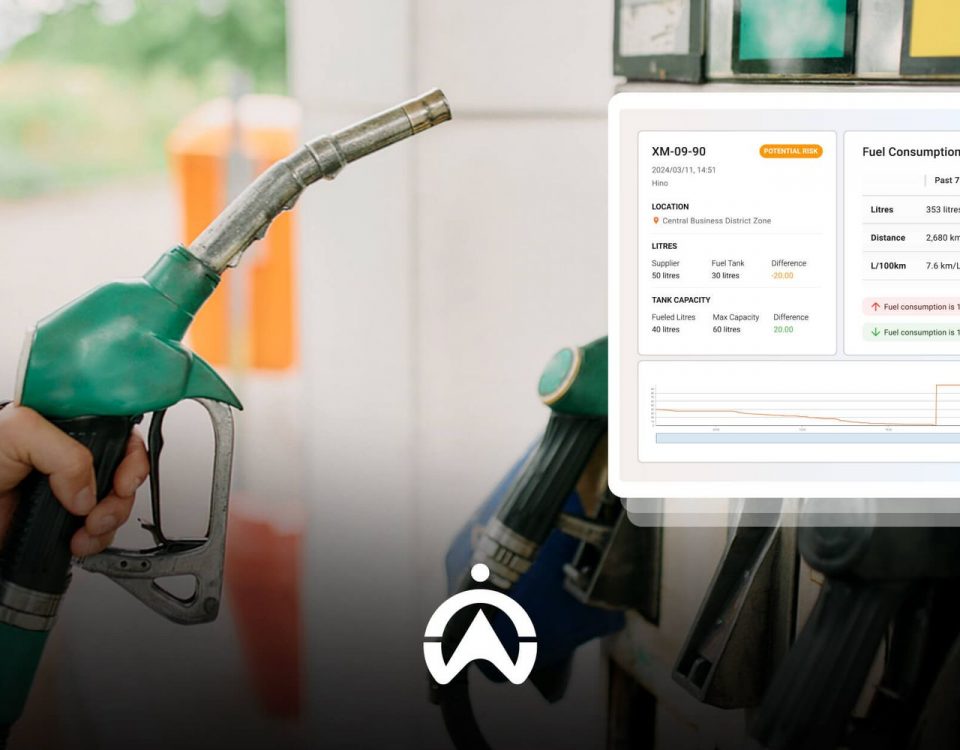
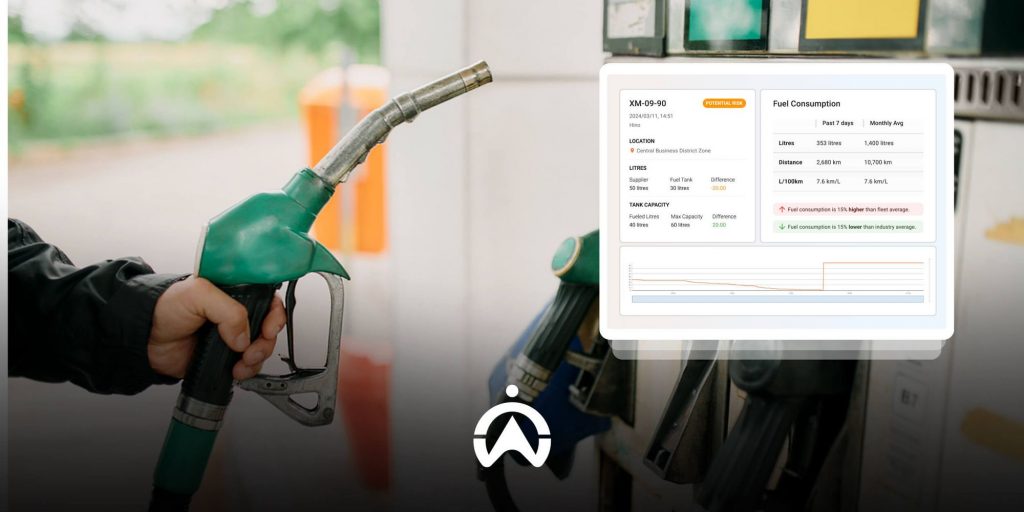
Cartrack’s system automatically matches tank readings with trip and mileage records, highlighting spikes in real time.
2. Inconsistent or missing fuel data
When your system misses logs or has gaps in fuel reports, it can lead to communication or integration issues. Not having enough data can alter your performance metrics and conceal anomalies.
Imagine a whole day’s driving vanishing from your records. You’d be left in the dark about where the fuel disappeared to.
With Cartrack’s integrated platform, all your data syncs automatically across vehicles, sensors, and dashboards, so nothing slips through the cracks.
3. Frequent fuel card discrepancies
Fuel card mismatches are a major warning sign that something’s off in the system. When what you pay for doesn’t match what you actually use, it indicates a problem, either with the data feed or the behaviour influencing it.
Table: Common fuel card discrepancies and what they mean
4. Fuel level readings don’t match actual use
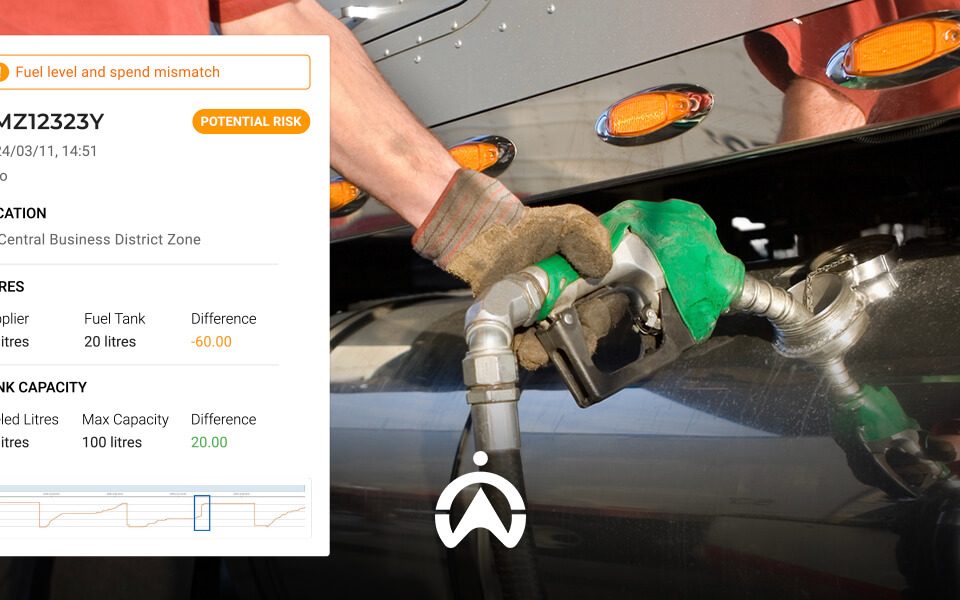
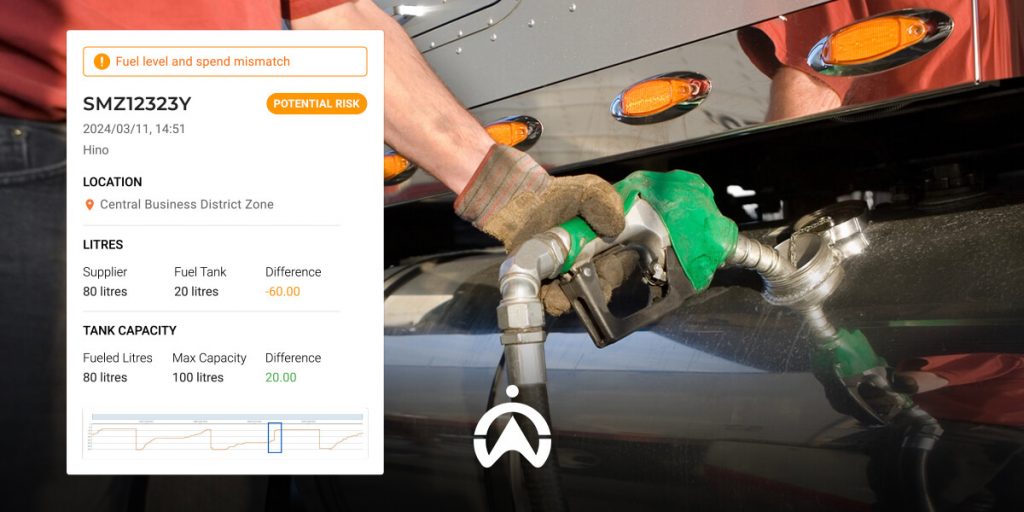
When your tank gauges don’t match up with usage reports, it’s likely a sensor or calibration issue. Sometimes, it’s simply a hardware failure, but it could also be a subtle data integrity problem. Daily recalibration and diagnostics ensure everything runs smoothly.
Cartrack’s smart sensors are tailored for Eswatini conditions and deliver accurate data, even in tough or high-vibration environments.
5. Slow or unresponsive software
A sluggish dashboard that takes ages to update or fails to refresh data in real time can really slow down your response to issues. You can’t manage what you can’t see.
When alerts are delayed, small inefficiencies or even theft can easily slip through the cracks.
Cartrack’s cloud-based system provides real-time data refreshes, allowing you to act swiftly and make confident decisions.
6. Increased maintenance or engine issues
A failing fuel management system doesn’t just hit your wallet—it can also take a toll on your vehicles. Misinformation can cause you to miss maintenance alerts or overlook poor fuel quality. Over time, this leads to increased wear, unexpected downtime, and expensive repairs.
Cartrack links your fuel data with vehicle health insights, helping you spot early warning signs and keep your fleet operating at its best.
7. Irregular refuelling patterns across drivers
If some drivers or vehicles are refuelling more frequently or at unusual times, it could signal misuse or a system issue. Keep an eye out for patterns that don’t match up with mileage or work types, because they’re your cue to dig deeper.
With Cartrack’s geofencing and refuelling alerts, you pinpoint exactly where and when refuelling happens, making your operations clear and accountable.

Why fuel management matters for your fleet
A fuel management system matters because it empowers you to take control of one of your fleet’s largest expenses—fuel. It allows you to monitor every litre spent, spot theft or waste, and optimise your routes more effectively. Without it, you’re navigating without a map, relying on assumptions and guesswork instead of real, actionable insights.
The role of a fuel management system
A fuel management system combines sensors, telematics, and smart software to keep an eye on your fleet’s fuel usage, as well as when and where every litre gets used. When it’s running smoothly, it helps you spot wastage, catch theft, and keep your costs predictable. With Cartrack, you get real-time visibility and automatic alerts for every refuelling event.
The cost of fuel problems
Fuel ranks as one of the biggest controllable expenses in any fleet. A poorly managed system can lead to unnoticed fuel theft, inefficient driving, and unnecessary idling—all of which drain your budget and hinder productivity. Cartrack’s well-calibrated system ensures precise tracking, saving your business both time and money every day.
How does a faulty fuel management system affect fleet operations?
A faulty fuel management system affects fleet operations by distorting vital performance data and complicating decision-making. When measurements lack reliability, then planning routes, managing budgets, and holding drivers accountable become much harder. Over time, these inefficiencies pile up, increasing costs, lowering productivity, and causing unnecessary downtime across your business.
Here are the main operational effects:
- Unreliable reporting: Makes tracking actual operating expenses a challenge.
- Route inefficiencies: Misleading fuel data conceals unnecessary driving habits.
- Loss of driver accountability: It becomes trickier to pinpoint misuse or fuel theft.
- Maintenance delays: Deceptive data can lead to missed servicing for vehicles.
- Lower profitability: Rising running costs and downtime slash your margins.
The business risks of ignoring fuel system faults
The business risks of ignoring fuel system failures can seriously dent your finances and operations. Fuel theft, often hidden, drives up costs and complicates financial planning. If you don’t tackle these issues in the long run, they accumulate into inefficiencies that boost maintenance costs and lower productivity—ultimately taking a toll on your profits.
Hidden costs add up quickly
Overlooking system faults causes your business to slowly lose money through inefficient and untracked fuel usage. Those seemingly “small” leaks can add up to thousands of emalangeni in avoidable expenses over time. With Cartrack’s real-time insights, you’ll spot fuel issues before they spiral out of control.
Impact on fleet efficiency
Inaccurate data leads to poor decision-making. When your system isn’t reliable, you end up planning routes, fuel stops, and driver schedules based on shaky information. Cartrack’s integrated dashboard brings together your fuel management, telematics, and driver behaviour data, giving you the complete visibility you need to operate leaner and smarter.
Compliance and audit challenges
Incorrect or incomplete fuel records can turn compliance audits into a headache. Fleet managers require precise logs for tax allowances and ESG reporting. With Cartrack reports, you can demonstrate fuel spending accuracy and stay compliant—all without drowning in paperwork.
Why data accuracy matters for fleet decision-making
Accurate data matters because every decision you make for your fleet relies on trustworthy information, be it for maintenance or budgeting. With the right fuel data, you can effortlessly plan routes, manage costs confidently, and evaluate driver performance fairly. When the data is off, you end up reacting instead of planning ahead.
Poor insights can lead to overspending, neglected maintenance, and flawed forecasts. Reliable, real-time data empowers you to run your operations proactively, efficiently, and in alignment with your business goals.
Diagnosing and fixing a faulty fuel management system
Diagnosing and fixing a faulty fuel management system starts with identifying where the issue lies; whether it’s hardware, software, or data transmission. Kick things off by checking for sensor failures, outdated firmware, or weak connectivity. Then, recalibrate your equipment or update your system software to guarantee precise, real-time fuel monitoring across your fleet.
Step 1 – Review data consistency
Start off by diving into your historical fuel data. Did you spot any sudden jumps, missing days, or odd readings? That’s your first hint that something’s not right. Use Cartrack’s reporting dashboard to visualise patterns and quickly flag any inconsistencies.
Step 2 – Check hardware and connectivity
Take a good look at all your hardware, your sensors, fuel probes, and telematics units. Any disconnected or damaged bits can lead to inaccurate readings. With Cartrack’s locally supported hardware, you’ll get reliable fuel information, even in the most remote areas.
Step 3 – Audit software and integrations
Most discrepancies arise when systems don’t communicate effectively. Make sure to align your fuel data with GPS, trip logs, and ERP tools. Within Cartrack’s all-in-one solution, information flows seamlessly across all functions, eliminating silos and discrepancies.
Step 4 – Recalibrate and run diagnostics
Recalibrate your sensors and run diagnostics to guarantee top-notch performance. Poor calibration can lead to a significant data drift over time. Cartrack features built-in diagnostics to help you verify accuracy without taking vehicles out of service.
Step 5 – Train your team
Even the best technology falls flat without skilled users. Equip your dispatchers and drivers to spot unusual fuel readings so that they can report them immediately. Cartrack’s user-friendly interface and mobile app keep your team engaged and connected

How Cartrack keeps your fuel management accurate
Cartrack keeps your fuel management spot on with real-time tracking, cutting-edge telematics, and intelligent fuel monitoring tools. The system spots any irregularities, sends you instant alerts, and keeps your fleet’s data in sync. With smooth integration and round-the-clock support, Cartrack takes the guesswork out and puts you in total control of every drop of fuel.
Real-time fuel tracking
With Cartrack’s fuel management system, you’ll never be left guessing where your fuel goes. The system tracks every litre in real-time, spots unusual usage, and alerts you right away to potential theft or leaks, stopping losses before they pile up.
Integrated data for full transparency
Cartrack merges fuel data with telematics, trip reports, and maintenance schedules. This gives you a complete operational overview—far beyond just fuel figures. You can see how driver behaviour, route choices, and idling habits impact your bottom line.
Proven reliability and local support
Cartrack operates throughout Eswatini, offering 24/7 local support and boasting over 2.4 million active units. You’re supported by a team that truly understands your market and the challenges you face. When uptime is crucial for your business, Cartrack’s dependable systems ensure your fleet stays on the move without a hitch.
Don’t let inefficient systems eat into your profits. Get in touch with Cartrack today to keep your fuel management precise, efficient, and secure.