
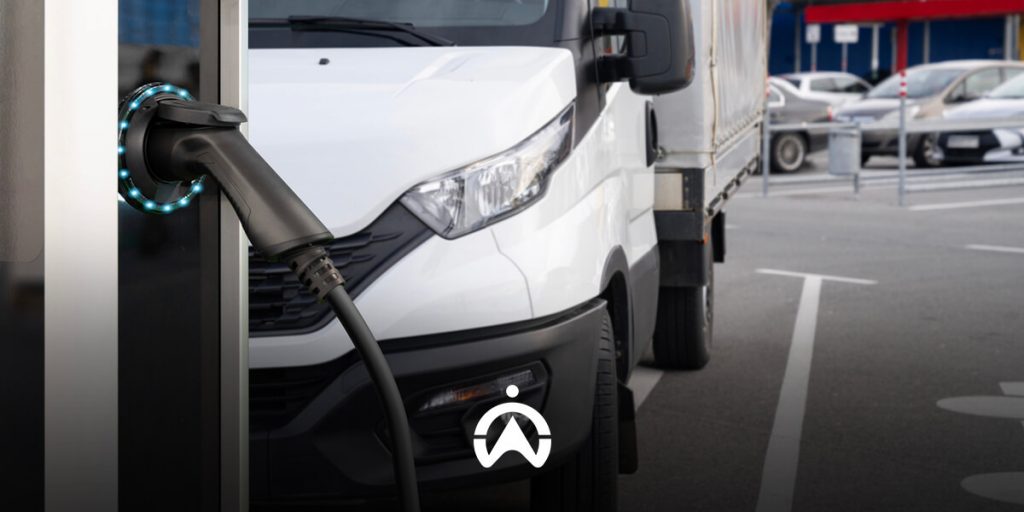
Myth or Fact: Electric Vehicles Don’t Need Any Maintenance?
The idea that electric vehicles need absolutely no maintenance is a myth. They may need less maintenance than your average ICE (internal combustion engine) vehicle, but it’s still required. It’s easy to understand where that myth comes from, considering the upkeep is simpler and operations are typically less environmentally harmful.
With no engine, exhaust, or oil systems, a 2025 report focused on the African market found that maintaining an electric vehicle costs around US $0.061 per mile, compared to US $0.101 per mile for petrol vehicles. This is roughly 40% less overall. However, even something as simple as worn tyres or a cooling system fault can cause expensive downtime and shorten a vehicle’s life if you’re not careful.
Knowing exactly what maintenance EVs still need is key to keeping your fleet running smoothly and profitably. In this article, we’ll separate myth from fact while helping you better understand EV maintenance. Moreover, we’ll show you how Cartrack’s smart fleet management tools can keep your electric vehicles in top shape.
Myth or fact? The truth behind EV maintenance
The verdict? Myth. The truth behind EV maintenance is that EVs require less maintenance than your petrol or diesel vehicles, but upkeep is still required. Regular servicing and treatment are the keys to keeping your electric vehicle running smoothly. If maintenance is neglected, you run the risk of damaged battery health and compromised vehicle safety.
To get a better idea, take a quick look at our Myth Meter:
80% Myth ▮▮▮▮▮▮▮▮▮▮▮▮▮▮▮▮▮▯▯ 20% Fact
Skipping these checks might not seem like a big deal, but it can significantly shorten battery life, limit driving range, and put safety at risk. In a fleet, these potential issues can add up fast. One neglected EV can cause ripple effects, leading to downtime, higher repair bills, and unnecessary strain on operations.
Why the ‘no maintenance’ myth exists
The ‘no maintenance’ myth exists because the simplicity and convenience of electric vehicles lead to the creation of this narrative. ICE vehicles have so many moving parts and components that are interconnected, making them far more susceptible to wear and tear. However, fewer parts don’t mean fewer responsibilities, and EVs need their software and electrical systems kept in shape.
Get a quick breakdown, separating myth from fact, and look at this table:
Core areas of EV maintenance you can’t ignore
Ensure the longevity of your electric vehicle by paying attention to the core areas of EV maintenance that shouldn’t be ignored. These include software and electronics, cooling systems, brakes, and tyres.
Let’s break down key maintenance categories:
- Battery systems: The battery is arguably the most central and essential part of the electric vehicle. It connects to various other parts, keeping these components (i.e., charge cycles and temperature) running as smoothly as possible.
- Cooling systems: If cooling systems aren’t kept in check, it could lead to overheating or slow down the performance of the vehicle. Proper thermal management means complete circulation and no coolant leaks.
- Brakes and tyres: Any vehicle is susceptible to wear and tear, but EVs are typically heavier than ICE vehicles. As a result, there’s usually more strain on brake pads and tyres, leading to the importance of regular checks and servicing.
- Software and electronics: EVs rely far more on internal software than ICE vehicles, ensuring energy and performance are optimal and diagnostics are always logged. Routine software updates can maintain and even improve these features.
- Suspension and steering: Again, the weight of EVs (particularly their batteries) puts strain on the car, more so on its suspension. Regular inspections and alignment checks prevent the vehicle from potential damage and instability.

What are the hidden costs and risks of neglecting EV maintenance?
The hidden costs and risks of neglecting EV maintenance include safety hazards and reduced battery lifespan. As you can imagine, these issues are greatly increased in the context of a fleet. Staying on top of maintenance of your EV vehicles will save you from headaches down the road, preventing you from expensive repair costs and major downtime.
Look at the potential risks:
Reduced battery lifespan
As mentioned, the battery is the most crucial component of the EV. Because almost all the components are connected to it, it serves as the heart of the vehicle. Not maintaining its health can lead right to battery degradation. Battery degradation means ineffective charging, poor circulation, and old, outdated software.
According to a report by Simon-Kucher & Partners, EV battery packs account for 30–40% of a vehicle’s total cost. Lack of maintenance can cost you more than the savings you’re supposed to get from EVs.
Safety hazards
Although you might not need to concern yourself about safety issues like engine fires, EVs still do bring about new kinds of safety hazards to consider. Moreover, safety hazards aren’t just about keeping the vehicle in check; they’re also about meeting compliance standards.
Consider routine inspections to stay compliant, but also ensure your vehicles are in the best condition. Inspections can keep you abreast of wear and tear, damaged cooling systems, and defective electrical components.
Higher long-term operational costs
Predictive maintenance is the best solution for preventing high long-term costs. Avoiding maintenance can only end up costing you more over time, proving counterproductive when you’re trying to save or be profitable. The more time your EV spends off the road, the more likely you are to lose business income.
Fleet impact
An EV’s downtime in a personal capacity is annoying and frustrating at most, but in a fleet? This is an exponential matter. An EV that isn’t serviced can mean the following:
- Massive downtime
- Disorganised schedules
- Loss of important insights
- Strain on existing EVs within the fleet
Keeping up with smart EV fleet maintenance
Keeping up with smart EV fleet maintenance is about staying up to date and always doing the right thing. It’s essential to dedicate time and remain mindful of regular maintenance. Invest in your EV fleet; get the right fleet management platform to ensure optimal performance, prevent downtime, and keep track of maintenance.
The best practices for EV care include:
- Scheduled software updates: Software is at the centre, critical for diagnostics and battery control. Keep your software updated to ensure your fleet is not only running optimally, but also on the latest software version at all times.
- Battery health monitoring: Keep your battery health in the best condition by ensuring thermal management is carefully monitored and charge cycles are tracked. This circumvents expensive replacements.
- Tyre and brake inspections: The EV’s internal batteries put extra weight on tyres and brakes. It’s worth carrying out regular inspections to ensure you don’t fall prey to decommissioned EV fleet vehicles.
- Cooling and electrical system checks: Any part of the vehicle that overheats is in danger of becoming damaged. Keep the most critical systems safe and cool by performing regular EV maintenance check-ups.
Fleet management software for EVs helps automate and monitor the following:
- Predictive maintenance alerts: This is your key to spotting problem areas before they become real issues. Get notifications set up that alert you to potential anomalies and preventative maintenance—enough so that you can intervene accordingly.
- Performance trends and data insights: To get a comprehensive overview of your vehicles’ and fleet’s performance, invest in a platform that has a digestible dashboard and allows you to automate the process of scheduling maintenance.
.jpg)
Cartrack’s role in simplifying EV maintenance
Cartrack’s role in simplifying EV maintenance is ultimately about being the best fleet management provider for your electric vehicles. When you’ve got the right tools, it’s much easier to successfully keep control over your vehicles and their maintenance needs.
Cartrack is an enabler of proactive maintenance through the following:
- Real-time vehicle diagnostics: Thanks to Cartrack’s telematics, all information and insights collected from fleet vehicles are monitored. As a fleet manager, you’re immediately notified of diagnostic issues or vehicle health matters via alerts.
- Battery health and temperature monitoring: Cartrack’s fleet software can keep track of your EV’s battery health and status, notifying you of any early signs of wear and tear.
- Driver behaviour insights: Driver habits are directly linked to an EV’s overall health. Bad driving means greater chances of deterioration and energy consumption. Through telematics and driver scorecards, you can monitor and coach drivers as necessary through FleetWeb.
- Predictive maintenance scheduling: Our advanced insights help forecast when maintenance is required before costly breakdowns happen. This helps prevent prolonged downtime.
Putting all this together means Cartrack gives businesses the tools to keep their electric fleets in top shape. The result? Greater uptime, longer EV lifespans, and lower overall maintenance costs. There’s also the satisfaction of running a sustainable operation that’s driven by the numbers.
Final takeaway
Electric vehicles have actually made fleet maintenance a whole lot simpler, and the fact remains they’re still needed. You wouldn’t have to do the same routine engine checks that you would with a petrol or diesel model, but EVs still need regular care to keep them running smoothly and safely without breaking the bank.
As a fleet manager, it’s important that you stay on top of maintenance. It isn’t really something you can put off. Regular inspections, keeping an eye on battery health, and proactive servicing that’s guided by all the right data are what you need to keep your vehicles on the road and running at their best.
Manage your electric or hybrid fleet with total control. Chat with a Cartrack expert to discover how our fleet management tools keep your vehicles running efficiently, every kilometre of the way.