Looking for Oil, Gas, and Mining Fleet Management Software Solutions?
Managing fleets of vehicles, heavy machinery, and mobile workforces in the oil, gas, and mining sectors isn’t a walk in the park. These industries operate in tough conditions, depend on numerous fleets, and constantly face pressure to reduce risks while keeping costs in check. That’s where the right fleet management software can transform your operations.
According to Forbes, fleets using such systems report up to 20% improvements in fuel efficiency and maintenance cost savings through data analytics. This highlights just how crucial fleet management software solutions are when you’re working with remote sites and high-value assets—insights like these are not just nice to have; they’re vital.
Before settling on a solution, take a moment to grasp the daily challenges your fleet encounters and explore how modern fleet management tools (like the one from Cartrack) can streamline, secure, and enhance every aspect of your operations.
Your oil, gas & mining fleet software buying checklist
When looking for oil, gas, and mining fleet management solutions, you need a buying checklist. Make your list of buying criteria start with the basics: visibility, reliability, accuracy, and remote site capabilities. You will also want to evaluate ease of integration, automation capabilities, reporting needs, and scale capabilities.
These are very basic and will help you to make comparisons with confidence. You will be aware of things that might be below your standards. However before buying your fleet management software, you need to know and understand the unique challenges that oil, gas, and mining fleets face.
The challenges unique to oil, gas and mining fleets
Everything from super remote locations to high fuel consumption and frequent maintenance are some of the unique challenges that oil, gas and mining fleets face. However, once you understand how much these challenges cost you, you’ll see why relying on outdated methods just isn’t enough anymore.
Remote sites and large geographic spread
Oil fields, drilling sites, and mines are usually located quite far from major towns, which makes managing a scattered fleet incredibly challenging. With long distances, limited visibility, and communication channels, it’s difficult for teams to track vehicles, equipment, and drivers in real time.
High fuel consumption and wastage risks
Fuel is one of the largest operating expenses, and the chances of wastage, idling, or fuel theft rise significantly in remote areas. Without detailed reporting, spotting suspicious fuel drops, tank syphoning, or drivers wasting fuel due to inefficient route planning becomes nearly impossible for fleet managers in the oil, gas, and mining industries to spot.
Wear and tear, harsh conditions, and frequent maintenance
Mining, gas and oil vehicles aren’t just heavily utilised; they operate in dust, heat, mud, and rough terrain daily. These harsh conditions fast-track wear and tear, making unplanned breakdowns a major risk. When a vehicle or machine stops working, it’s not just downtime—it’s a loss of production.
Safety, compliance, and operator risk
Oil, mining and gas industries have extremely strict safety standards. If not monitored properly, drivers might speed, choose unsafe routes, skip safety checks, or enter restricted zones. This exposes operators to massive liabilities, compliance failures, and preventable accidents.
Cost control and profitability pressures
Fluctuating oil prices, increasing operational costs, and strict investor expectations mean that every wasted litre of fuel or hour of downtime directly affects your profitability. This is when fleet data becomes a crucial tool for making smarter, quicker financial decisions.
The cost of inefficiency in harsh industrial environments
Inefficiencies in the oil, gas, and mining sectors lead to significant financial losses that escalate quickly. Lack of visibility increases fuel wastage, delays maintenance, complicates safety enforcement, and lowers output, all of which undermine operational resilience in industries reliant on consistent productivity.
Unplanned downtime creates operational bottlenecks
You’ve probably seen it before—unplanned downtime creates operational delays. When haul trucks break down or drilling-support vehicles fail, entire sites slow down or even come to a halt. These delays disrupt production timelines, contractor schedules, and on-site safety. Advanced predictive maintenance tools (like the ones from Cartrack) enable operators to address issues early, preventing downtime from impacting operations.
Lost fuel = lost margin
One of the most disregarded impacts on profitability is fuel loss. Whether it’s theft, idling, unauthorised trips, or route inefficiencies, operators often spot fuel discrepancies only at the end of the month—when it’s way too late to recover losses. Real-time reports solve this problem immediately.
Inefficient asset allocation raises costs
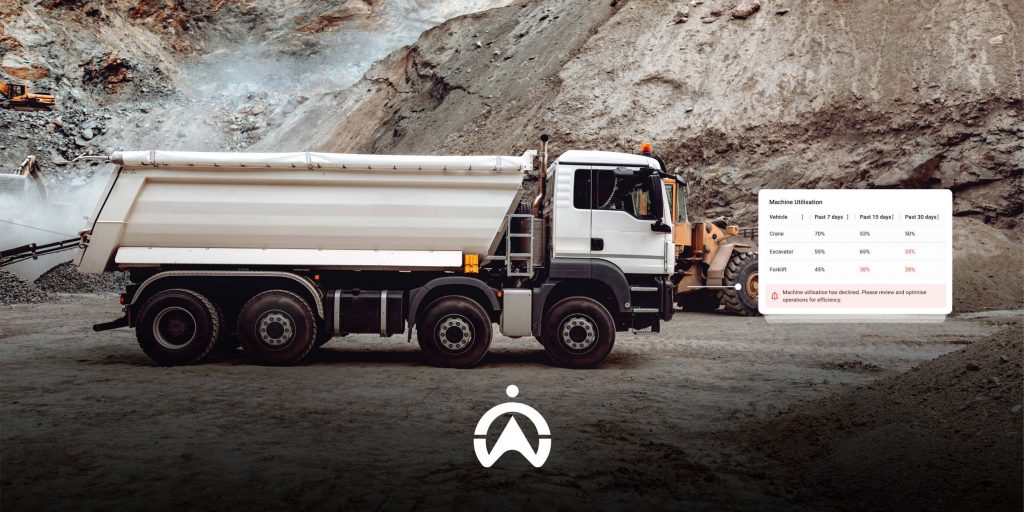
Inefficient asset allocation also drives up costs. Without accurate usage data, some vehicles become overworked while others sit idle. This poor allocation results in uneven wear, additional maintenance, and higher replacement costs. Proper fleet management tools—like the ones provided by Cartrack—optimise utilisation, ensuring every asset is used effectively.
What fleet management software can do
Fleet management software can do so much more than just simple GPS tracking. It can provide you and your oil, gas or mining business with complete operational visibility, cost control, safety enhancements and predictive planning tools that maximise the value of every vehicle and asset.
Real-time GPS tracking and visibility
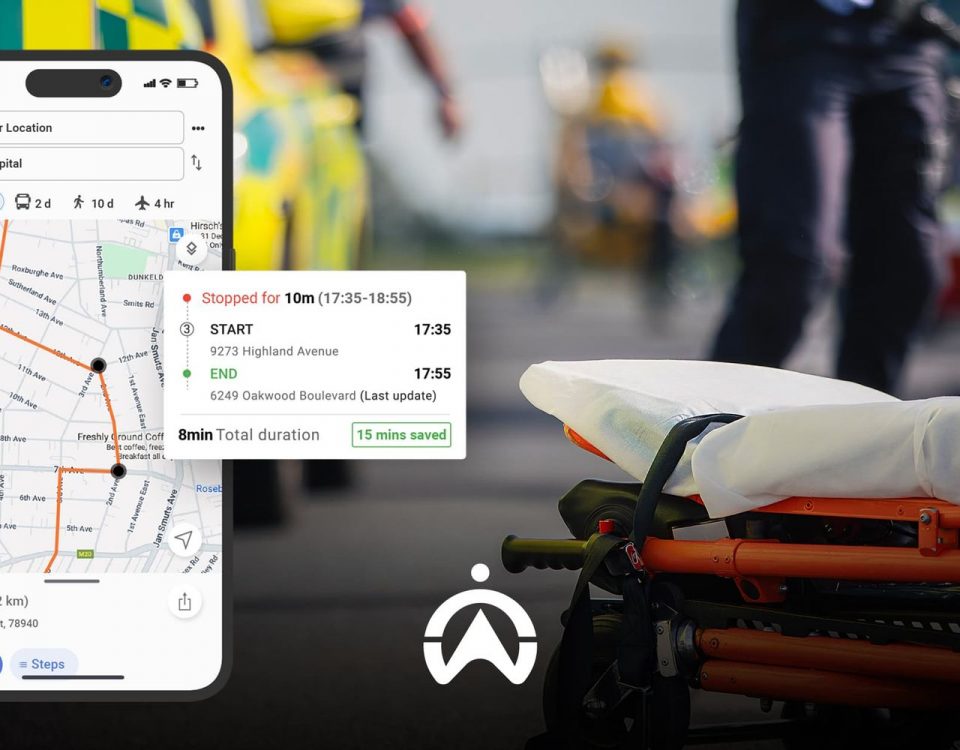
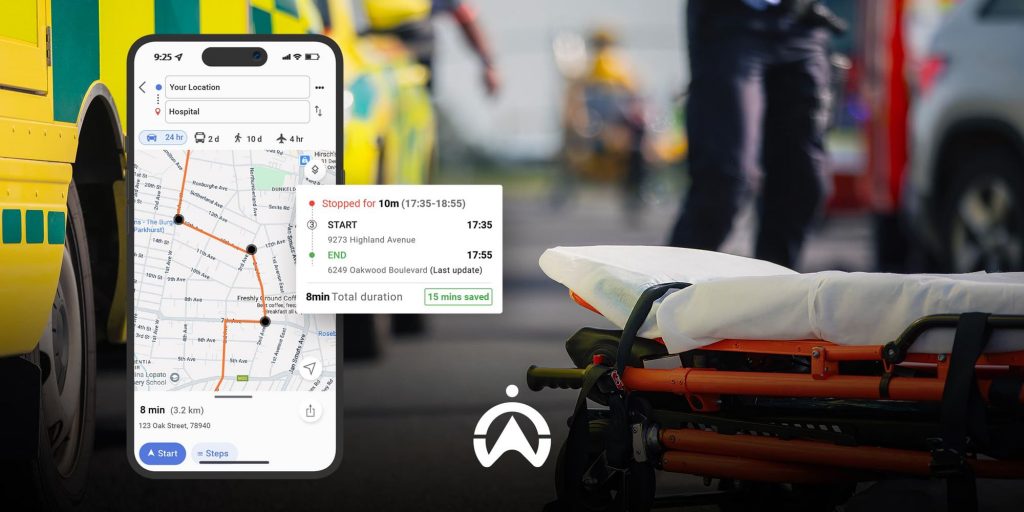
Real-time tracking shows you where every truck, bakkie, loader, rig, or support vehicle is at any moment. This becomes super important when you’re managing dozens of vehicles across several remote sites. Live tracking ensures faster task assignment, safer routes, and fewer delays on site.
Fuel monitoring and fuel-use analytics
Fuel monitoring tools track consumption in real time, allowing you to spot unusual drops, potential theft, fuel card fraud, and inefficient driving behaviours. With comprehensive reports, you can eliminate idling, optimise routes, and save thousands of rand each month by reducing unnecessary fuel usage across your fleet.
Predictive maintenance and equipment health monitoring
Predictive maintenance uses real-time engine data, usage hours, temperature readings, and fault codes to warn you before a breakdown happens. This proactive approach helps you avoid unplanned downtime, costly repairs, and safety incidents caused by equipment failure. In heavy industries, these insights can avert significant operational losses.
Safety, compliance, and driver-behaviour tracking
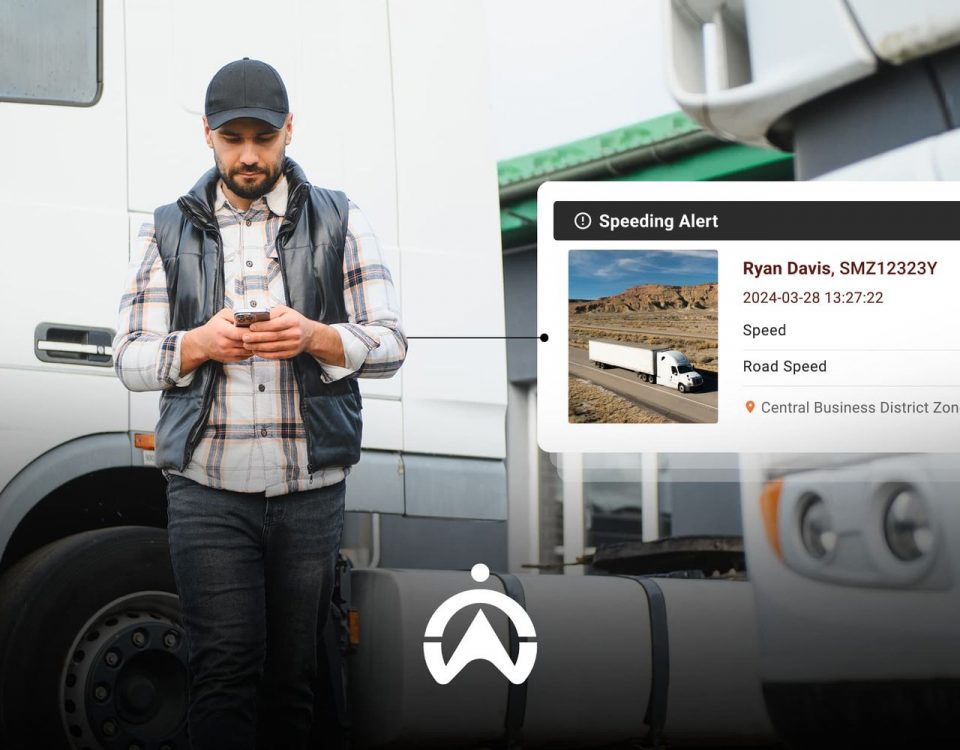
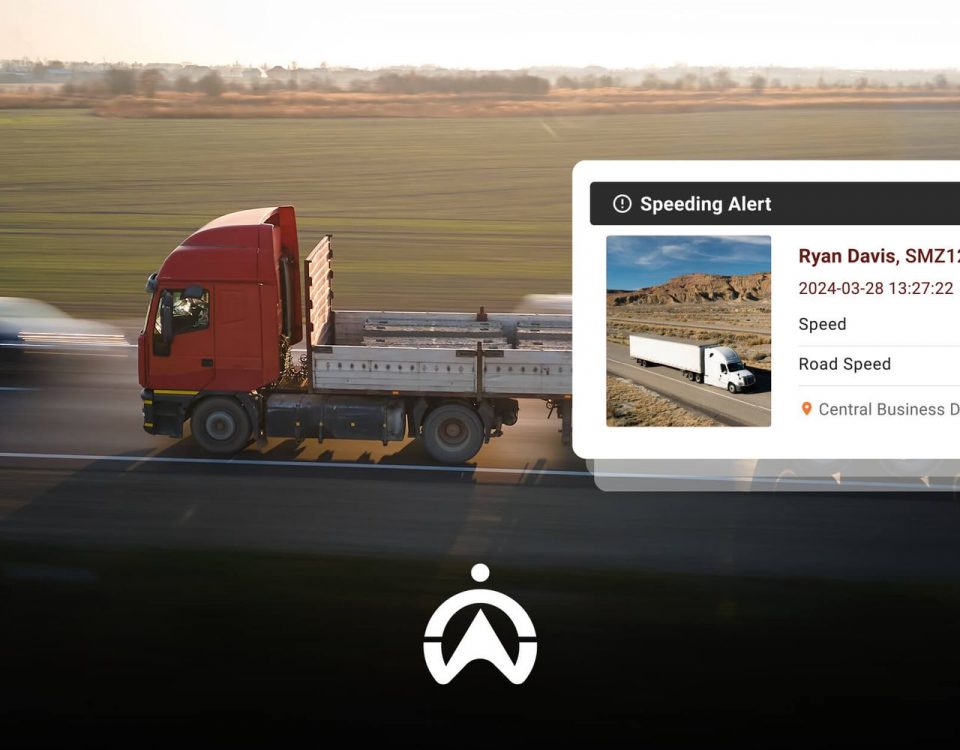
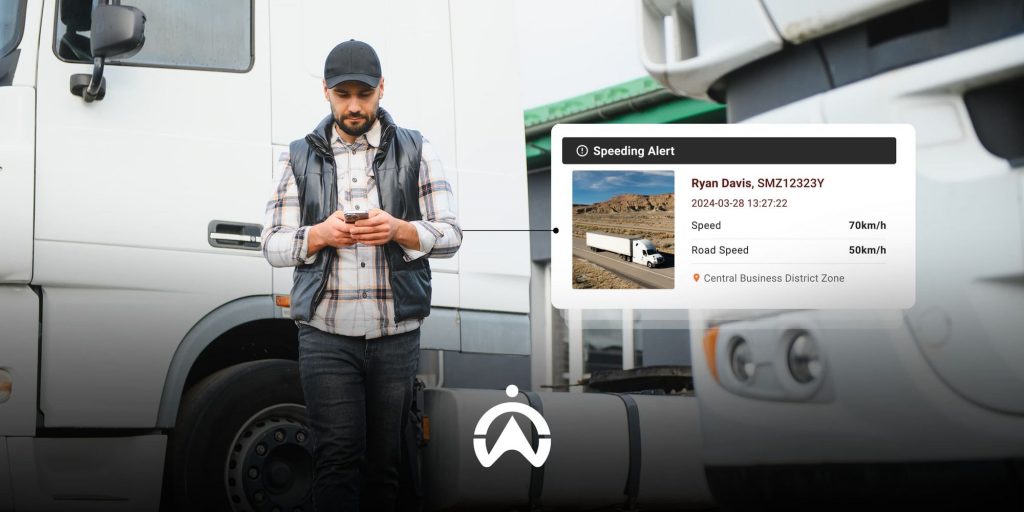
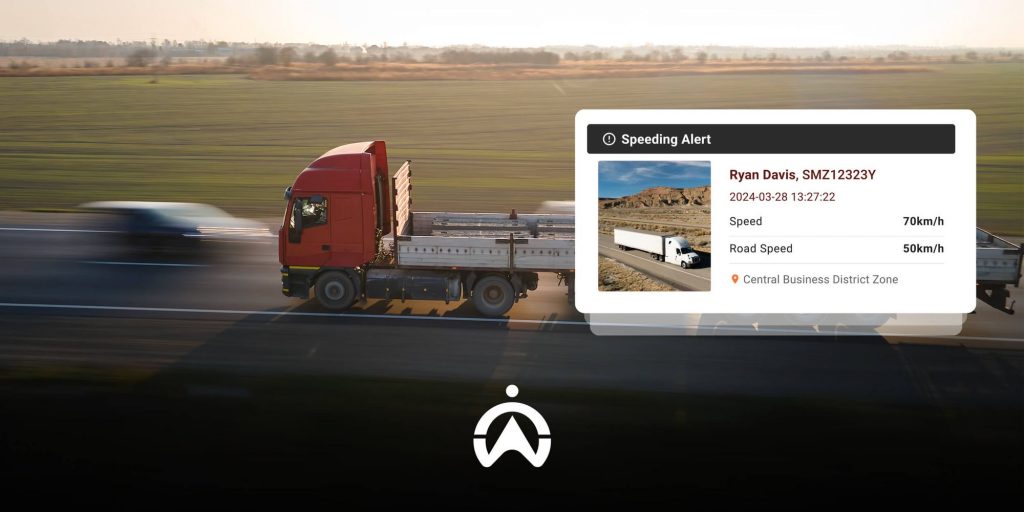
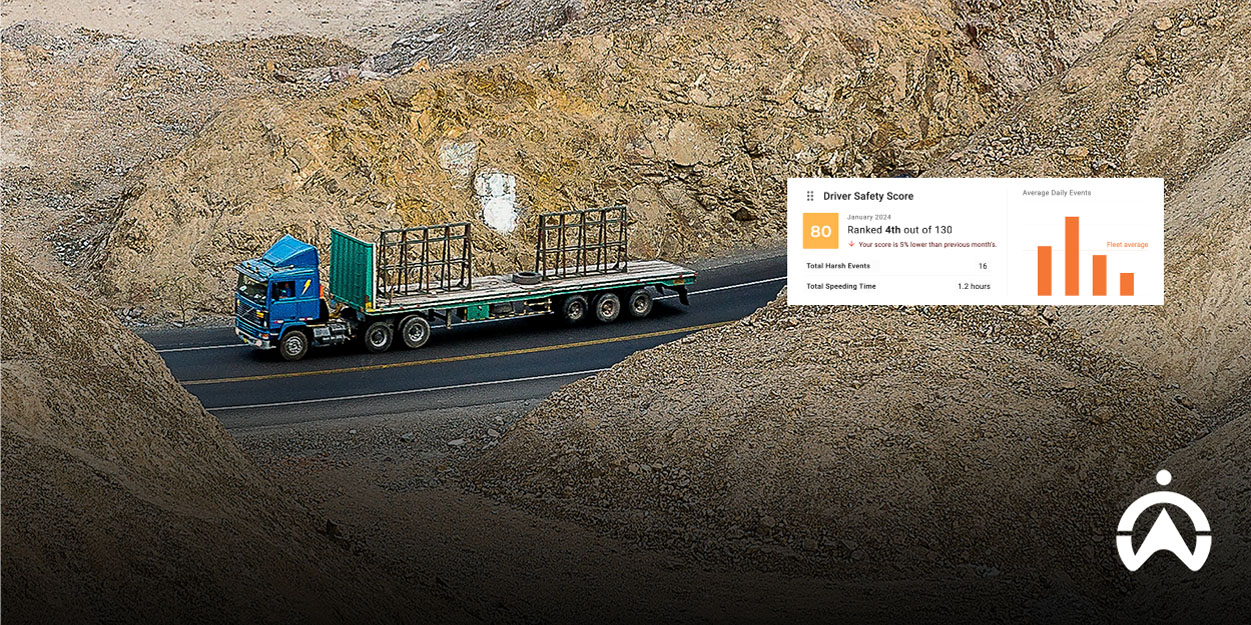
Monitoring driver behaviour notifies you of speeding, harsh braking, sudden acceleration, fatigue indicators, and risky driving patterns. These insights help prevent accidents and safeguard your operators. Geofencing also keeps vehicles out of unsafe, restricted, or high-risk areas, ensuring strong compliance.
Centralised fleet analytics and cost control
A unified dashboard provides you with a clear view of fuel consumption, maintenance requirements, utilisation rates, safety alerts, tyre wear, and cost trends—all in one place. This central perspective empowers your operations, safety, and finance teams to collaborate effectively, plan smarter, and reduce unnecessary expenses.
Cartrack’s fleet management software can help your team with all of this and more!
Common mistakes businesses make when managing industrial fleets
There are some common mistakes that businesses make when managing industrial fleets, such as outdated processes, manual tracking, or fragmented systems. These mistakes can cause many fleets to limit efficiency unintentionally. Being aware of those oversights will save you from costly operational setbacks.
Manual reporting
Manual logs are slow, inconsistent, and error-prone. Issues are often spotted by operators only AFTER they’ve caused costly problems. But automated data ensures decisions are based on current, accurate information.
Not having real-time fuel tracking
Checking fuel figures only at the end of the month will leave the fleet manager unaware of theft or wastage. Real-time tracking catches discrepancies INSTANTLY, enabling them to conduct an immediate investigation.
Delaying maintenance based on assumptions
Servicing based on guesswork or a fixed schedule ignores the actual conditions of the engine. Predictive tools, on the other hand, use live data to recommend precise service timing, hence preventing breakdowns and prolonging the life of assets. This feature is invaluable to the oil, gas and mining industries, where unexpected breakdowns can cause a loss of profit.
Benefits for oil, gas and mining operators
The benefits that fleet management software solutions provide for oil, mining and gas operators are plentiful. The right software helps you run a safer, leaner, and more efficient operation. From cost control to compliance, the impact is immediate and measurable.
Reduced operational costs and improved fuel efficiency
Fuel often represents a significant percentage of your operational expenses, particularly for fleets that cover long distances or have a lot of on-site idling (like oil, gas and mining). Fleet management software helps in minimising fuel waste, optimising routes, and identifying theft so you can significantly cut fuel costs. This ultimately boosts your profitability without the need to alter your fleet size.
Minimise downtime and lower maintenance expenses
With predictive maintenance and real-time diagnostics, you can quickly identify issues before they escalate into costly breakdowns. Early warnings will allow your team to schedule repairs during planned downtimes rather than scrambling during emergencies. This shift enhances uptime and keeps critical machinery productive.
Better safety and lower risk exposure
By monitoring operator performance, you can address risky driving behaviours before accidents happen. Tracking incidents and maintaining compliance records creates reliable audit trails. This proactive approach minimises the chances of injuries, equipment damage, and expensive claims or penalties.
More visibility across remote and dispersed sites
When you’re managing assets across multiple mines or oil fields, having real-time tracking enables quicker responses, prevents delays, and ensures accountability within your team. Additionally, centralised visibility is vital, especially in areas with poor network coverage, all while enhancing your overall asset utilisation.
Data-driven decision-making and long-term planning
By analysing historical fleet data, you uncover trends that might otherwise go unnoticed. This allows you to forecast fuel budgets, plan maintenance cycles, estimate asset lifespans, and prepare for regulatory audits. These insights empower you to make smarter, faster decisions, reducing risk and safeguarding your operational margins.
If you are ready to reap the benefits of fleet management software, contact us today!
How telematics improves environmental compliance
Telematics can help companies improve and comply with sustainability standards and reduce their environmental impact through measurable improvements. In 2025, we can see that environmental regulations are growing stricter and stricter across all industrial sectors, by both the government and the public.
Lower emissions through reduced idling
Idling is seen as one of the major contributors to unnecessary CO₂ output. Telematics helps you to identify excessive idling, which in turn helps in reducing fuel waste and consequent emissions.
Optimised routes reduce fuel burn
Accurate route planning means less fuel is being burnt by the engines. This ultimately helps your mining, oil or gas fleet meet their sustainability goals without compromising on productivity.
Better maintenance improves efficiency
A well-maintained engine uses less fuel and also emits fewer emissions. So having predictive maintenance will help you keep your fleet vehicles in peak condition.
Why choose Cartrack for your oil, gas & mining fleet
You should choose Cartrack for your oil, gas and mining fleet because Cartrack is tailor-made for use in these industries. Industries with heavy vehicles, remote sites, and strict standards for the safety of personnel will all benefit from our fleet management software. Our telematics, tracking, and analytics are specifically designed to thrive in challenging operational environments.
Industry-specific tools for extreme conditions
Cartrack fully understands the unique challenges of mining, gas and oil operations. This is why tracking units and sensors are built to resist heat, dust, vibration, and general rough handling to make sure that you always get accurate data, even in the most extreme environments.
More than just GPS tracking
Cartrack provides a complete ecosystem for fleet management, which includes fuel reporting, maintenance scheduling, cost and usage analytics, tracking of driver behaviour, alerts, operational insights, and full telematics visibility. It gives you everything you need in a single easy-to-use platform.
Did you know that Cartrack has driver identification tags (DID) so that you can control who is able to use specialised vehicles based off the licences of the drivers they have?
Stronger safety and compliance support
From in-vehicle fatigue alerts to geofencing and risk-based driver monitoring, Cartrack provides a comprehensive selection of safety tools that aid in reducing accidents and maintaining compliance. Our features are further supported for audit logs, insurance claims, and investigation processes in the event of incidents.
Did you know that many mining, oil and gas companies that have Cartrack’s fleet management software solutions have won CCMA cases thanks to the evidence the software provided!
Flexible and scalable for mixed fleets
Mining and oil operators often manage a variety of asset types—from heavy rigs to supervisors’ bakkies. Cartrack enables you to monitor all these assets in one place, allowing for seamless scaling as your operations expand without the need to switch platforms.
Local support and infrastructure
Cartrack’s operations span across Eswatini and across the globe, ensuring that you enjoy rapid responses, excellent network coverage, speedier installation times, and regional know-how. Having such a local footprint makes it ideal for remote operations where uptime is critical and troubleshooting needs to be provided quickly.
Did you know that Cartrack has a less than two-minute response time after a reported incident?
How to get started with fleet management in your operation
To get started with fleet management in your oil, gas or mining operation, you need to assess your fleet, define your goals and KPIs, test the system with a couple of your vehicles first, then scale the system across your entire fleet, and finally integrate the system with your entire team.
Implementing a reliable fleet management system is easier than many companies expect. With the right approach, you can begin optimising your fleet within days.
Assess your fleet and operational needs
Start by identifying your most significant challenges: fuel losses, downtime, safety issues, route inefficiencies, or lack of visibility? These specific pain points will be your guide to setting distinct goals and selecting the right features to prioritise during setup.
Define your goals and KPIs
Set measurable goals, such as reducing fuel consumption by a certain percent, cutting downtime hours, improving safety scores, or enhancing utilisation. This set of KPIs will then help guide your implementation and keep your teams focused on meaningful outcomes.
Run a pilot with a sample group of vehicles
A pilot test offers great insight into how the system performs in your real-world oil, gas or mining conditions. Choose a representative mix of haul trucks, service vehicles, or maintenance bakkies, and monitor the improvements in fuel efficiency, maintenance, and safety throughout the trial period.
Scale the system across your entire fleet
Once the pilot proves its value, you can roll out the system across all vehicles and equipment. Use the insights gained from the pilot to refine alerts, reporting tools, configurations, and maintenance schedules for each asset type.
Integrate the system with operations, safety, and finance teams
To get the most out of your fleet data, make sure it reaches the right people: operations can boost productivity, safety teams can minimise risks, and finance can manage costs more effectively. This collaborative approach brings multiple benefits and drives long-term success.
Conclusion
Oil, gas, and mining operate in high-pressure, high-risk, and high-cost environments. You need clear visibility into your operations, real-time data, and predictive tools—all seamlessly integrated into a solid system for managing assets across various worksites. Fleet management software puts everything in one platform.
Cartrack’s GPS tracking and telematics system can help your mining, oil, and gas fleet cut costs and downtime while boosting safety, compliance, and daily productivity.
So if you’re serious about getting more value from your fleet, now’s the perfect time to upgrade; contact one of our helpful consultants to give you a quote today!