Electrification of the Last-Mile and How a Fleet System Can Help
Electrification of the last-mile means switching from traditional internal combustion engine (ICE) vehicles to electric vehicles (EVs) for the final leg of the delivery journey. A fleet system helps by addressing the unique challenges that come with owning EVs, like battery monitoring, range anxiety, and charging schedules. Smoother operations and going greener are usually at the core of this decision.
With global sustainability trends and Eswatini’s own National Energy Policy encouraging a shift toward greener solutions, electrification is becoming a strategic consideration for local logistics. Early adopters in the Kingdom are finding that blending EVs with optimisation tools raises energy efficiency by 10–25% and shortens delivery times by 15–20%. Given Eswatini’s compact geography, these tools can cut emissions by up to 40% compared to traditional methods, providing a sustainable edge for businesses operating out of hubs like Matsapha.
You have the chance to turn your business’s challenges into a complete competitive edge. In this blog, we’ll take you through electrification, the importance of fleet management in that process, and why Cartrack emerges as your ideal electrification partner.
How does a fleet management system support last-mile electrification?
A fleet management system supports last-mile electrification by providing all the insights needed to address the EV hurdles during deliveries. Vehicle data, automation, and visibility are all keys to helping you manage these hurdles, especially range anxiety and energy consumption.
A platform like Cartrack’s FleetWeb has all the vital tools and features, meaning you wouldn’t have to get separate FMSs for your ICE vehicles and EVs. Managing a mixed fleet or going through the gradual electrification process can all be handled with one platform.
Here’s what an advanced platform like FleetWeb can help with:
- Route planning and optimisation for EV range
- Live vehicle visibility and usage insights
- Driver behaviour monitoring
- Maintenance planning and uptime management
- Data-driven decision-making, especially during transition
Why are businesses electrifying their last-mile fleets?
Businesses are electrifying their last-mile fleets to meet environmental goals, manage a better brand perception, and see long-term cost savings.
Making this switch brings down a logistics company’s carbon emissions, which account for at least 30% of greenhouse gases. Electrification of the last-mile is a much easier approach than that of the first or middle miles, because distances are shorter and more predictable. This makes going green in the last mile the most approachable step in the process of electrification.
Consider these reasons why businesses are making the change:
- Long-term cost efficiency: Thanks to EVs having fewer moving vehicle parts and no reliance on fuel, you can see those savings add up over time.
- Environmental drivers: Businesses are feeling the strain of meeting sustainability and carbon emission regulations, meaning there’s a stronger push towards greener practices.
- Brand perception and customer expectations: Customers are another big part of why fleets go green. Customers are prioritising social responsibility, and how they feel has a direct impact on brand reputation and competitiveness.
.jpeg)
Fleet electrification vs traditional fleets: What changes operationally?
When looking at fleet electrification versus traditional fleets, it’s fuelling-up-and-going that then switches to a careful-planning-and-charging operation. A fleet managent system plays a crucial role in this transition, though it still effectively supports both conventional and electric vehicles.
Take a look at the table for a quick and easy overview:
What challenges come with electrifying the last mile?
The challenges that come with electrifying last-mile delivery include a lack of charging infrastructure, route instability, and potential gaps in data when making the move.
Despite the numerous upsides, these are all the challenges to consider:
- Range anxiety and route suitability: The worry that an EV’s battery might drain before you reach your destination or a charging station is often the biggest, especially if routes haven’t been optimised or those real-world interferences happen.
- Charging infrastructure planning: In connection with range anxiety, planning for charging becomes crucial as there’s a serious need to balance the availability of EVs with their charging times.
- Vehicle availability and upfront costs: If vehicle availability and initial expenses aren’t properly planned, it could potentially halt your electrification process.
- Driver behaviour and adoption: The unique challenges that come with EVs also affect your drivers and staff. Your drivers will need to adapt to and become comfortable with the different approaches needed to operate an EV.
- Data gaps when transitioning from ICE to EVs: When making the move from ICE vehicles to EVs, gaps in data could occur. This limits your ability to effectively assess whether a smooth transition is possible, unless you adopt an FMS.
What data do you need before electrifying your last-mile fleet?
The data that you need before electrifying your last-mile fleet includes an understanding of vehicle utilisation, trip histories that reflect distances & frequency, and driver behaviour & patterns. In addition, it’s important to take a phased strategy rather than an immediate switch. Having this knowledge readily available drastically reduces the costly business mistakes and potential risks that come with this transition.
These insights are the foundation for every favourable electrification choice. Without them, businesses could miss out on impactful results. Cartrack empowers data-driven electrification planning, helping your business evaluate readiness and confidently make the switch to electric last-mile delivery.
This is all the data to consider before making the change:
Trip distance and frequency
Analysing this helps you understand which routes would work best for EVs, especially because the last-mile is usually the phase that’s electrified first.
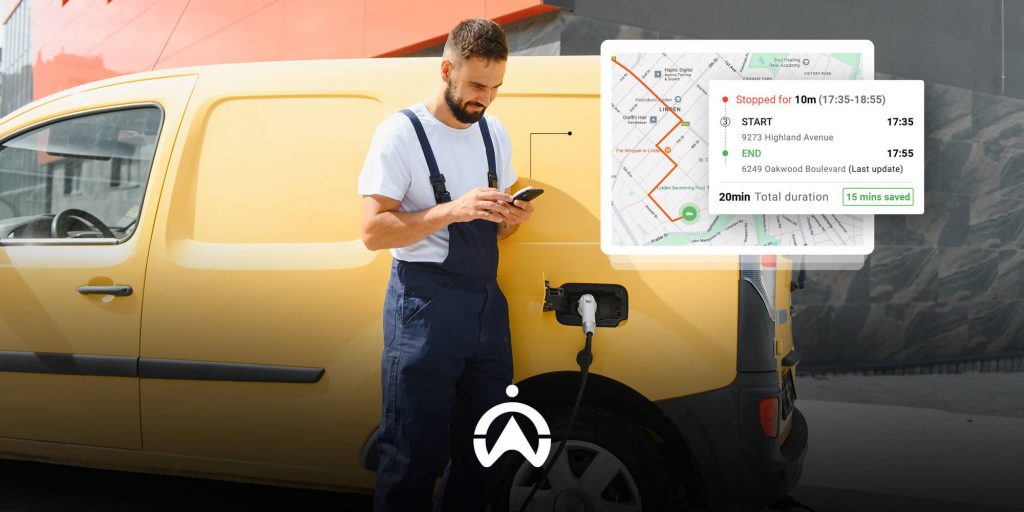
Stop duration and dwell times
Idle or stopping times that happen between deliveries or warehouse pickups are key to planning charging schedules. This must be done right so that you don’t end up potentially disrupting uptime.
Vehicle utilisation rates
This lets you know how often a vehicle is being used; vehicles being used less often might be the best choice for electrification, especially at the start of the transition process.
Driver patterns
Knowing your drivers’ habits and driving styles on the road will tell you which drivers might be likely to use a lot of energy on the roads and which would practise safer and more conservative driving habits. This is important when you consider energy usage in EVs.
.jpeg)
How Cartrack supports smarter last-mile electrification
Cartrack supports smarter last-mile electrification by providing you with a full-fledged & sophisticated FMS, detailed reporting, and enough flexibility to support mixed fleets. Thanks to FleetWeb, you can confidently manage everything from one platform that minimises the operational risks associated with electrifying delivery fleets.
Here’s what makes Cartrack your top choice:
- Readiness and flexibility for mixed fleets (EV and ICE): You can smoothly manage each vehicle type using one integrated platform. Not only do you avoid cross-platform confusion, but you continue to manage and track your fleet without any operational or data disruptions.
- Reporting and insights for operational decision-making: In-depth reports ensure that every business decision you make is a well-informed, data-driven one.
- Alignment with sustainability and efficiency goals: Our analytical insights help you align your electrification efforts with performance and sustainability goals, ensuring that the last mile remains reliable, cost-effective, and measurable for the duration of the transition.
Final takeaway: Is your fleet ready for last-mile electrification?
Your fleet is absolutely ready for last-mile electrification if you’ve got the support of a powerful FMS behind you. Electrification is a gradual journey that needs careful planning and continuous development. Without the right insights, this process becomes more of a hurdle than a successful effort to be a greener operation.
FMSs are essential for minimising that risk. By understanding fleet behaviour, managing mixed fleets, and scaling electrification gradually, you can proactively plan your long-term success.
Plan your last-mile electrification journey with confidence. Speak to Cartrack about meeting sustainability goals without compromising delivery performance.