Does a Dashcam Record Inside the Car?
If you’re looking at buying a dashcam and wondering, “Can a dashcam record inside the vehicle?” The short answer is yes, but only certain models can do this. Most dashcams record the road ahead, but advanced models with dual-lens and 360-degree capabilities capture both street scenes and the inside of your vehicle, giving you extra protection and peace of mind.
This visibility is critical because Eswatini’s roads can be highly unpredictable, with unique risks ranging from stray livestock to challenging mountainous terrain. According to the latest data from the Road Safety Council of Eswatini (RSCE), the Kingdom recorded over 6,100 road crashes in 2025, resulting in 155 fatalities. Speeding and nighttime driving remain leading concerns, highlighting the urgent need for fleet operators to use real-time monitoring to protect their drivers and assets across the country.
Whether you are commuting to work, handling the school run, or operating as a driver on platforms like Bolt Eswatini, having clear video evidence can make a world of difference if something goes wrong. If you want a dashcam that does it all, then Cartrack Eswatini’s AI-powered dashcams with live-stream technology are essential for everyday drivers. In a landscape where road safety and security are top priorities, this technology provides the ultimate peace of mind for anyone navigating the Kingdom’s roads.
Do dashcams record inside the car?
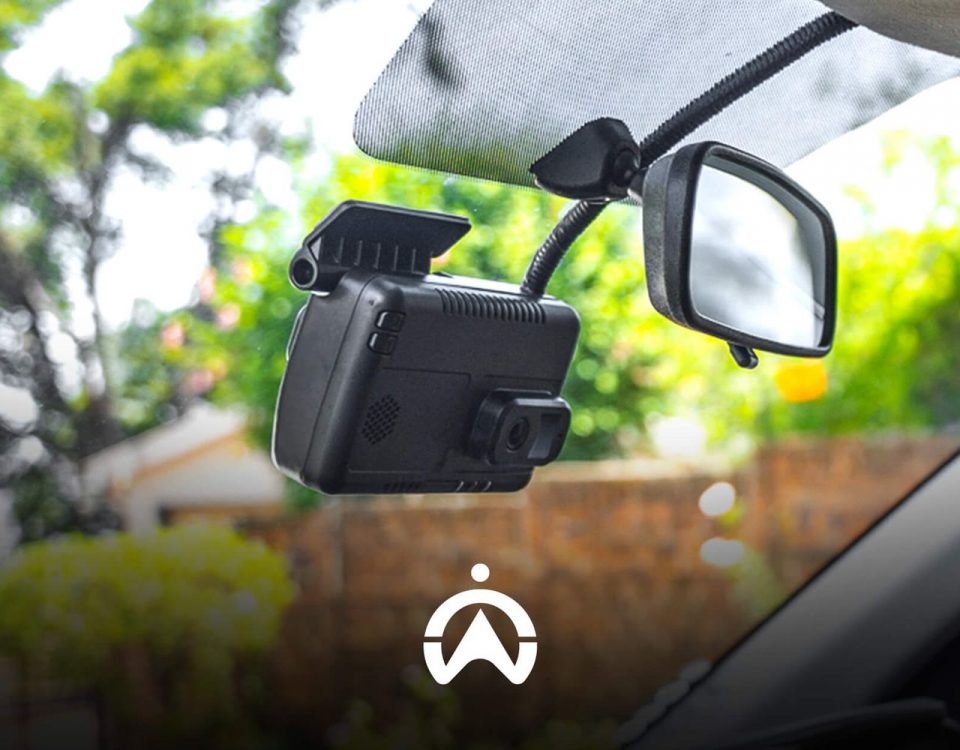
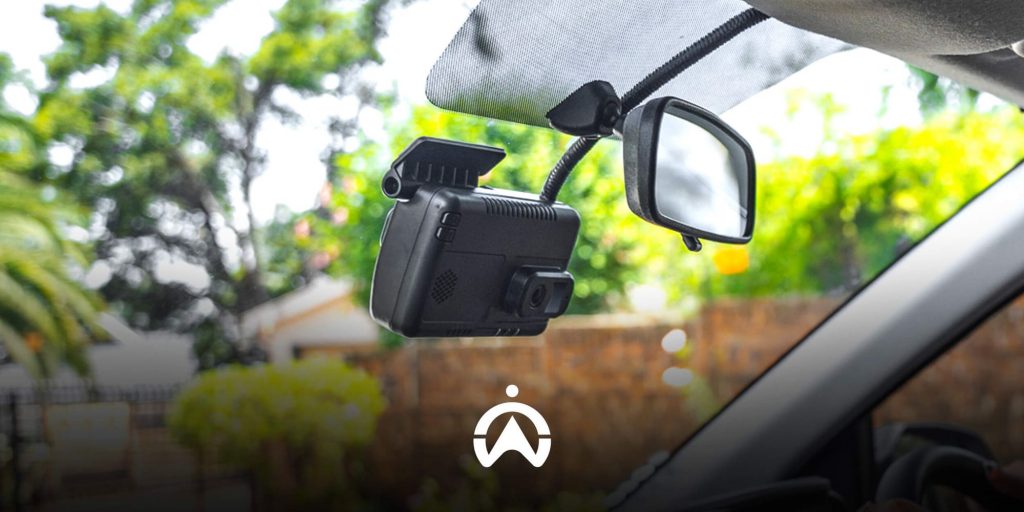
Yes, dashcams can record inside your car. However, only certain models can. 360-degree and dual-vision dashcams are designed to record the inside of your car as well as the road. In order to record clearly (even in the dark), they typically have two cameras: one facing forward and the other inward. Advanced models usually have night vision.
This is particularly helpful for:
- Drivers for e-hailing services (such as Uber, Bolt, etc.)
- Parents keeping an eye on their children while they drive.
- Owners of businesses that oversee fleet vehicles.
- Regular drivers seeking additional peace of mind.
Benefits of recording inside the car
The benefits of recording inside your car are that an additional sense of security and responsibility is added by having a dashcam that records inside the vehicle. It provides you with a clear picture of what goes on inside your car, which can be just as important as what happens on the road.
- Evidence in disputes: You’ll have evidence if something occurs in the car, such as an argument or dangerous passenger behaviour.
- Driver safety: Helpful for drivers in the event of conflicts, mishaps, or security issues.
- Parental control: Parents get peace of mind by keeping tabs on their teens’ driving habits and observing how they behave when operating their car.
- Security: You can prevent theft and vandalism and record any events by recording what happens to your car while it’s parked.
- Capturing memorable moments: Dashcams can help capture any unexpected memorable moments from your travels!
Are there drawbacks to recording inside the car?
Yes, there can be some drawbacks to recording inside your car such as privacy, storage, high costs and installation challenges. While not all drivers will be impacted by these, it’s crucial to consider them before investing in a more advanced device.
- Privacy concerns: Some passengers may find it uncomfortable to be filmed.
- Storage issues: Additional storage may be required because two cameras produce more footage, which calls for a larger memory card.
- Higher costs: Compared to standard models, dual and 360-degree dashcams are more expensive.
- Installation challenges: Installing cabin cameras requires proper positioning and possible professional installation.

Different types of dashcams and what they record
It’s important to note that dashcams come in different shapes and setups, and not all of them can record the inside of your car. So before you swipe your card, be sure you’re getting the right one for you. The table below breaks down the main types of dashcams, what they capture, and how much you can expect to pay in Eswatini:
Legal considerations in Eswatini
Currently, in Eswatini, the use of dashcams—including those that record the vehicle’s interior—is permitted for safety and security. However, with the implementation of the Eswatini Data Protection Act, there are stricter guidelines regarding the collection of personal information. To ensure you stay compliant and avoid legal complications, it is essential to be transparent with your passengers. If you are operating as a driver for Bolt Eswatini, simply informing riders that a camera is in use for their safety is a professional and worthwhile step.
Choosing the right dashcam for you
When choosing the right dashcam for you, you need to consider your driving habits and lifestyle. This will determine which dashcam is best suited for your needs. While some drivers require full coverage with additional features, others only want a basic road-facing camera. You can compare features using the following guide to determine which one best suits your needs.
.jpg)
How dashcams protect Eswatini drivers
Dashcams protect Eswatini drivers from the unique risks found on our roads, which include vehicle theft, roadside disputes, and complex accident scenes involving pedestrians or livestock. Although a dashcam cannot prevent these incidents, it provides the critical video evidence needed to defend yourself later—whether for your own peace of mind, insurance claims through the Sincephetelo MVA Fund (SMVAF), or official Royal Eswatini Police Service (REPS) reports. In a legal system that increasingly values digital proof, a dashcam is your most reliable witness.
For example:
- Disputes can be swiftly resolved with accident footage.
- Video footage makes it easier to report smash-and-grab incidents.
- Drivers can defend themselves against false allegations.
Tips for using a dashcam effectively
Choosing the right dashcam is just the first step. You must install and use it properly if you want to get the most out of it. Your dashcam will always function when you need it most if you follow a few simple routines.
- Make use of a memory card with 64 GB or more of quality.
- Make sure the camera is positioned correctly to prevent sun glare.
- Don’t rely solely on the memory card; make a backup of any important clips.
- Think about hardwiring your dashcam or using an external battery if it has parking mode.
- Let passengers know that recording is underway.
At Cartrack we offer premium-quality dashcams at an affordable price and with free installation. Contact us today to get the best dashcam solution for personal or business.
FAQs
Do dashcams record sound as well as video?
Yes, many modern dashcams record sound as well as video through built-in microphones. This can be useful if you need proof of what was said during an incident. If you’re not comfortable recording sound, most devices allow you to turn the audio feature off.
Can dashcam footage be used in court or for insurance claims?
Yes, dashcam footage can be used to support insurance claims or even as evidence in court. Clear video clips help settle disputes about who was at fault in an accident. Insurance companies are more likely to process claims quickly when you provide reliable footage showing exactly what happened.
Will a dashcam drain my car battery?
No, a dashcam won’t necessarily drain your car battery, this is because when you’re driving, dashcams usually run on the car’s power supply and use very little energy. However, dashcams with parking mode can continue recording while the engine is off.
How long is footage stored on a dashcam?
Dashcam footage can be stored anywhere from a few hours to a few months. Dashcams use loop recording, which means old footage is automatically overwritten when the memory card is full. The length of time footage is kept depends on the card size. With a 64GB card, you can usually store several hours before files are replaced, unless you manually save clips.
Do I need a special dashcam for Uber or Bolt driving?
Yes, for Uber or Bolt drivers, an AI dual-lens dashcam is the best choice. It records both the road ahead and the inside of the vehicle, which helps protect you against false claims or disputes with passengers. Some models even include night vision, which is useful for evening and late-night trips.