Active Tracking for Emergency Services Fleets Keeps Your Responders Safe
Active tracking for emergency fleets makes sure that your responders stay safe with real-time visibility and location data, enhancing routing and response times. Emergency vehicles operate under a lot of pressure daily. Whether it’s ambulances racing to medical emergencies, fire trucks weaving through traffic, or police cars responding to crises, these vehicles need to move quickly and safely.
That’s why, in these complex environments, knowing the location of all vehicles at all times is essential. According to the World Health Organization, road traffic accidents have become the major cause of death among people in the 5-29 years age group, proving the risk involved in travelling by road, especially in fleets moving at a fast pace that are under pressure.
In Eswatini, emergency responders encounter multiple dangers on the road every day, and with thousands of road accidents reported each year, it’s clear that real-time vehicle tracking is crucial. Cartrack supports emergency responders with top-of-the-line active tracking, camera connectivity, and smart vehicle analytics, ensuring a safe response from start to finish.
What is active tracking in emergency fleet management?
Active tracking keeps an eye on vehicles in real-time using live telematics data, like GPS location, vehicle movement, and driver behaviour (all of which are necessary in emergency fleet management). So unlike passive systems that simply store data, active tracking consistently streams information onto a central platform. Letting fleet managers and control rooms react instantly to situations as they happen.
So what role does active tracking play in emergency fleet management? Active tracking uses GPS trackers to send vehicle data to a cloud-based platform that’s easily accessed by fleet managers and control teams. This way, dispatchers can track every vehicle’s position, speed, and direction all in real time, while also getting instant alerts for critical events like speeding, sudden braking, and route changes.
Active tracking is crucial for emergency fleets because it:
- Provides live updates that enable dispatchers to coordinate quicker responses.
- Ensures safety monitoring during high-speed driving.
- It improves your awareness and helps you make better decisions.
At Cartrack we use AI-powered GPS tracking solutions that provide your emergency service fleets with accurate and real-time visibility.
Why emergency services need active tracking now more than ever
Emergency services need active tracking now more than ever because of factors like the constant presence of congestion in cities. Unpredictable traffic jams and critical calls mean emergency response teams don’t have time to spare. A second or even a millisecond can be costly when lives are at stake.
Faster, smarter dispatching
Active tracking lets dispatchers see the nearest unit in real time, so they can assign it to an incident right away. This tech speeds up response times and improves coverage in busy areas.
Improved responder safety during high-risk driving
Emergency response vehicles operate under intense pressure, navigating congested roads at high speeds to handle life-threatening situations. Cartrack’s active tracking system boosts safety by monitoring speeding, braking, and turning during these emergencies. This allows control rooms to respond effectively to any detected unsafe driving.
With the aid of data-driven insights, emergency services can promote safe driving practices and prevent crashes, ultimately keeping emergency service providers and citizens safe without delaying emergency response times.
Protecting crew inside the vehicle
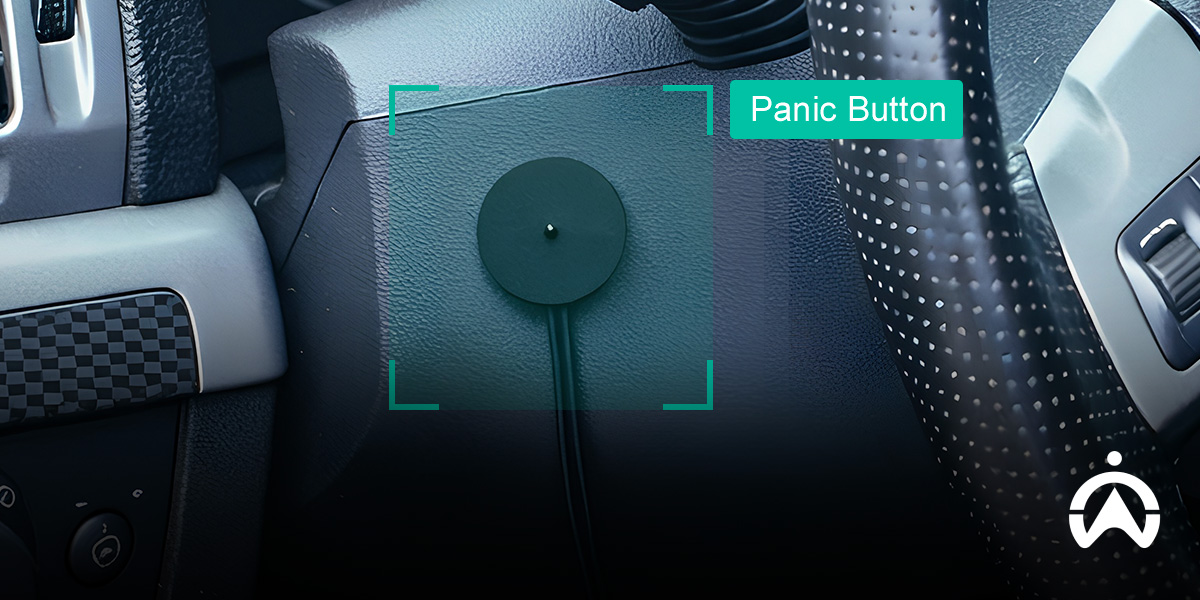
Active tracking goes beyond just pinpointing your location. By using AI cameras as well, you’re able to improve safety both inside and outside the vehicle. These systems can provide live footage to your platform, which allows managers to make quick assessments in real time. This is particularly useful during emergencies when circumstances can change quickly.
The role of connected cameras in emergency fleet safety
Connected cameras improve emergency fleet safety because they allow access to exactly what’s happening in and around a vehicle in real time. Although GPS tracking systems can share information regarding a vehicle’s location, cameras allow control centres to see exactly what’s happening.
Real-time visibility
The cameras transmit live footage straight to your control room. This allows operations managers to spot any distracted driving and track the distance to the vehicle in front of the emergency vehicle, preventing possible accidents.
Protecting responders from public threats
Ambulance paramedics, emergency medical service providers, and police officers can often be at risk in situations that go beyond road safety. Situations such as aggression, obstruction, or civil unrest can arise during emergencies. Video evidence then not only serves as a preventive measure, but is also vital in post-emergency investigations.
Automatic incident detection
The latest systems (like the ones used at Cartrack) use sensors and AI technology to capture event-driven data, like collision events and sudden movements. These systems boost response times for support and offer solid evidence in case anything goes wrong.
With these features, active tracking turns into a comprehensive safety monitoring service, ensuring the protection of responders both on and off the road.
Smarter routing
Intelligent routing cuts down emergency response times by using real-time data on vehicle locations and traffic conditions to prioritise the fastest route. Control room staff can quickly redirect vehicles during emergencies like congestion, accidents, or road closures, ensuring they reach incidents as swiftly as possible.
In short, real-time tracking not only shows where vehicles are but also helps fleets arrive faster.
Real-time traffic data
Active tracking systems combine real-time traffic data with GPS, enabling your emergency service vehicles to be rerouted instantly around congestion, road closures, or other delays. This optimisation is critical in cities, where every second counts in life-or-death situations.
Geo-fencing for faster operations
Geo-fencing creates virtual boundaries around specific areas, sending alerts when vehicles enter or exit these zones. This tech helps to boost resource allocation in the required areas, making your operations more efficient.
How active tracking improves accountability and reporting
Active tracking improves accountability by recording trip details, driver behaviour, and incident timings. This information is vital because it helps emergency services create accurate reports, which can assist in investigations. By maintaining a thorough database, it’ll help drive regular improvements in safety policies and training programmes.
These logs can:
- Automate trip records with dates.
- Provide an efficient way to report incidents.
- Assist with insurance claims and legal documentation.
Active tracking helps control rooms respond to emergencies in real time
Active tracking helps control room operators respond to emergencies with real-time alerts, vehicle data, and driver behaviour insights. This means that they can swiftly respond to crises, reroute vehicles as needed, collaborate with emergency responders, and maintain a comprehensive record of all vehicle activities.
Live alerts to control centre staff
The control room can send out alerts for speeding, sudden manoeuvres, or sensor triggering. These alerts enable quick action or task reassignment, keeping the fleet safe and organised.
Two-way communication
Enhanced systems enable real-time communication between control rooms and responders. Dispatchers and fleet managers can not only issue commands but also adjust routes or provide directions based on the latest road updates.
How Cartrack supports emergency services fleets
Cartrack provides emergency services vehicles with intelligent active tracking, camera connectivity, and fleet intelligence capabilities. All these tools can assist in enhancing safety for emergency response teams and ensure that control rooms have enough information to manage safety-critical tasks effectively.
24/7/365 monitoring and support
At Cartrack we provide continuous monitoring and support for you and your team. Our control room agents are available to assist you 24/7, 365 days of the year.
Industry-leading tracking accuracy
Cartrack’s GPS tracking systems will give you instant updates and provide reliable & accurate real-time visibility, even at high speeds.
Seamless integration with existing emergency systems
Cartrack’s technology seamlessly integrates with dispatch tools, communication apps, and command centre solutions, enhancing emergency response services without disrupting your current operations.
Active tracking plays a vital role in emergency service fleets because it boosts safety for rescue teams, improves coordination, and ensures a swift response to emergencies.
So contact Cartrack today to set up active tracking for your emergency service fleets, and keep your responders safe!