How to Start a Logistics Company Without Money and Manage It Successfully?
Starting a logistics company in Eswatini might seem daunting and just a game for the big players with deep pockets. Trucks are expensive, fuel prices fluctuate, and regulations can feel overwhelming.
What you may not realise is that many successful logistics businesses didn’t start with trucks, warehouses, or huge budgets. They started with something much simpler: the right niche, strong operational control, and the right technology.
If you want to launch a business without breaking the bank, you’re going to have to swap capital for smart strategy, careful planning, and operational savvy.
Think of this blog as a manual that provides a step-by-step procedure on exactly how to achieve that in the Eswatini market.
Is it possible to start a logistics company with no money?
Yes, it’s possible to start a logistics company with no money, but let’s clarify what “no money” really means. Starting your logistics business without funds doesn’t mean you’re running without expenses. It just means you’re avoiding large upfront costs like buying vehicles, hiring full-time employees, or renting warehouse space.
In Eswatini, many logistics start-ups focus on managing transport rather than owning it. They handle everything from delivery planning and routing to client communication and delivery reliability, with subcontractors handling the actual transportation. Using this method allows you to enter the market faster while reducing risk.
Remember that when you run your operations well, clients respect dependability more than whether or not you own the car.
Understanding the Eswatini logistics market
Before you start your logistics company, it’s important for you to understand the Eswatini logistics market. The logistics sectors in Eswatini, like retail, eCommerce, healthcare, and construction, encounter challenges like rising fuel prices, vehicle-related crime, and lower profits. Companies that can effectively manage their routes, control fuel consumption, and monitor driver behaviour are more likely to stay successful.
At the same time, regional operators face their own unique challenges. Fuel costs rank as one of the biggest operational risks. Carjacking and vehicle theft are real threats, while irresponsible driving can lead to an increase in maintenance expenses thanks to aggressive driving and poor vehicle handling.
Choose the right logistics niche to minimise costs
Choosing a logistics niche can significantly help in ensuring fewer risks and expenses when starting your logistics operation. The logistic niches—which new companies can use to earn money without necessarily investing in vehicles—include courier services, freight broking, contract logistics, and transport services.
Courier and last-mile delivery
Last-mile delivery often serves as a great starting point into the logistics world. You can team up with independent drivers who use their own vehicles, allowing you to concentrate on managing routes and delivery schedules.
Freight brokerage (no trucks required)
Freight brokers make their money by linking shippers with transport providers. You’ll handle the loads, schedules, and paperwork without actually owning any trucks. This approach is perfect if you have strong organisational skills.
Contract logistics for SMEs
Small businesses often rely on regular transportation, but may not have the budget for their own fleet. Contract logistics offers a solution, providing predictable income while keeping asset exposure low.
Specialised logistics (medical, retail, construction)
Logistics in the medical, retail, and construction sectors focus more on reliability and compliance rather than quantities. By specialising, you’ll be able to charge more per delivery while handling fewer jobs.
Legal and compliance requirements in Eswatini
To operate legally in Eswatini, a logistics business must register with the Registrar of Companies (Ministry of Commerce, Industry and Trade) and sort out its tax obligations with Eswatini Revenue Service (ERS). Your operations must comply with the Road Traffic Act, obtain the necessary Trading License, and ensure vehicle roadworthiness inspections. Prioritising compliance not only protects your business from potential penalties but also builds trusts and credibility with your clients.
Business registration and structure
Start off by registering your company with the Registrar of Companies and choose a structure that offers the least amount of liability.
Tax, VAT, and ERS compliance
Make sure to register with ERS and keep a close eye on your annual turnover. If your taxable supplies reach the mandatory threshold of E500,000 in any 12-month period, you must register for VAT. In 2026, proactive planning is essential as you must now use the TaxEase platform to submit the mandatory VAT Schedules for every transaction to remain compliant.
Transport-specific requirements
Depending on the services you offer, you’ll need to get an operating licence and ensure your fleet of vehicles meets compliance standards. You need to remember that a lack of regulation can lead to fines and missed contract opportunities.

How to start a logistics company without owning vehicles
You can start a logistics business without having to own any vehicles by teaming up with owner-driver transport providers. Many start-ups in Eswatini thrive using an owner-driver or subcontractor method, where drivers supply their own vehicles and assume responsibility for their own operating expenses (like fuel and maintenance). This lowers your financial risk for the start-up by helping you avoid high-interest vehicle loans and unpredictable costs of major mechanical failures.
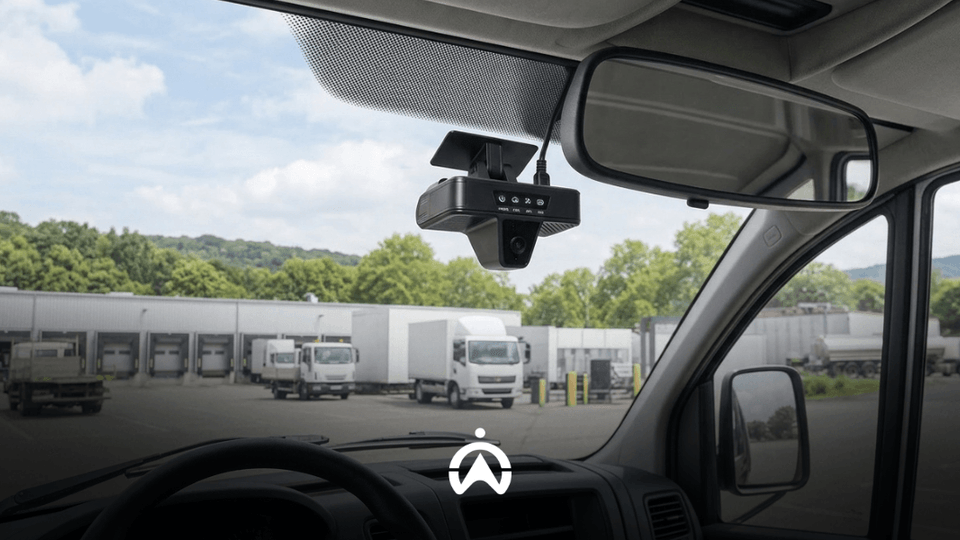
So, while you won’t need your own cars to run a logistics business, having control is essential. A way to ensure you have some sort of control is through a portable tracking device. With it, you’ll be able to track all activities in real time, ensuring your transport runs smoothly and your customers remain happy.
Building a logistics business plan on a zero budget
Building a logistics business plan on a zero-to-little budget will need to emphasise key services with reasonable pricing and mindful spending. It’ll have to prioritise financial growth and operational efficiency, focusing on cash flow, fuel expenses, and overall effectiveness. This strategy will help new logistics companies stay profitable and grow.
Remember that a budget-friendly logistics plan centres around realistic expectations.
Be specific about the services you offer. When quoting jobs, make sure to consider the costs of fuel, administration, and any unexpected expenses. Be cautious of subcontracting jobs at really low prices, because this is a common scam that will end up costing you more money to fix.
Your plan should focus on maintaining steady cash flow rather than rushing into immediate expansion.
Finding your first logistics clients with no marketing budget
You can find your first logistics customers without spending a cent on advertising. Logistics start-ups can land clients without a marketing budget by tapping into personal networks, teaming up with established transporters, and joining online freight platforms. In Eswatini, what truly counts in securing those initial logistics contracts is not branding but reliability, communication, and consistency.
Leveraging existing networks
Retailers, suppliers, and contractors often urgently need transport and place a high value on referrals.
Partnering with established transporters
You can offer overflow support or cater to specialised routes.
Online platforms and marketplaces
Eswatini freight marketplaces connect loads with available vehicles, enabling start-ups to generate revenue quickly.
At this stage of the journey, reliability and communication are far more important than branding.
Managing operations efficiently from day one
To manage your operations effectively from day one, there are a few things you should focus on, such as solid scheduling, clear visibility, and quick delivery updates. Inefficient processes often lead to communication issues and delivery delays. Smaller logistics companies should implement tracking systems to improve coordination, reduce mistakes, and build trust with their customers.
Operational efficiency plays a key role in the success of start-up companies in logistics. Relying on manual processes, spreadsheets, and WhatsApp for communication can lead to misunderstandings, leaving your clients feeling frustrated by missed calls and delays in updates.
Even small businesses can really benefit from knowing where their vehicles are at all times.
Using technology to run a lean logistics operation
Technology allows small logistics companies to operate just like their larger competitors. It helps smaller logistics firms run smoothly without needing lots of staff or vehicles. With real-time data on vehicle locations, routes, and driver behaviour, businesses can reduce fuel consumption, enhance accountability, and make informed choices. This gives start-ups an advantage over established businesses in the logistics sector.
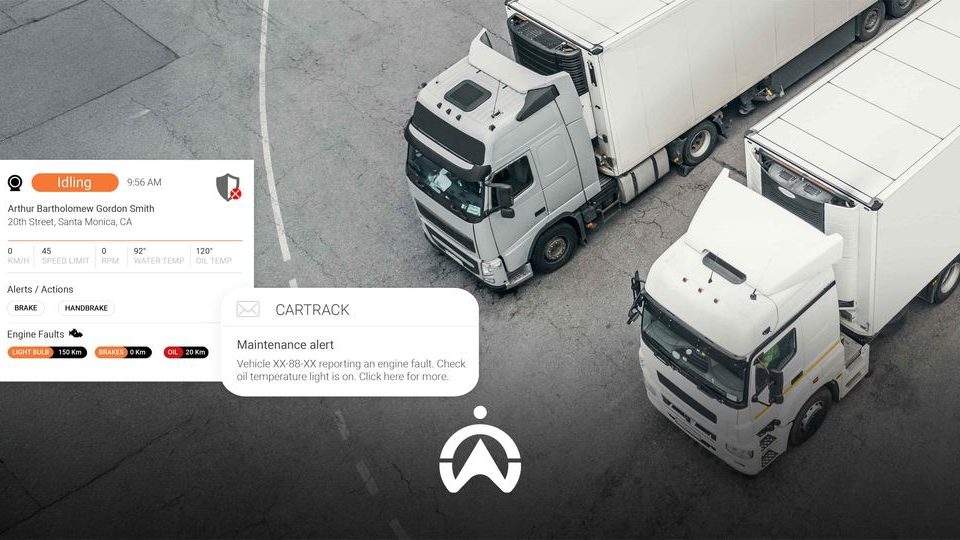
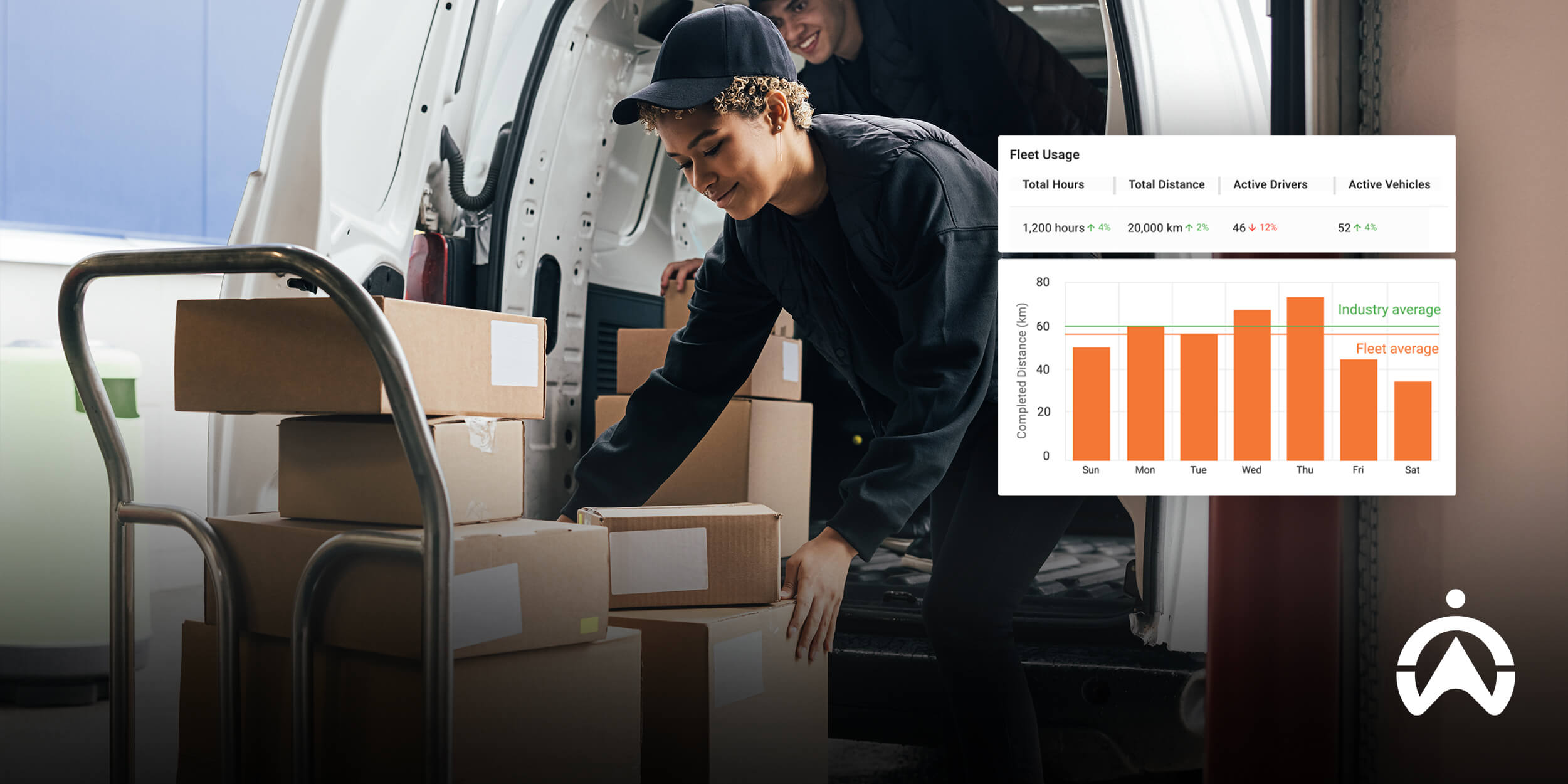
Real-time tracking indicates where vehicles are and how deliveries are progressing. The trip history feature highlights any inefficient routes, and the driver behaviour report shows where drivers might be wasting fuel.
Managing fuel, maintenance, and driver behaviour without big budgets
Logistics companies can manage fuel and maintenance costs by keeping an eye on their drivers’ driving habits. Regular maintenance of vehicles lowers the chances of sudden breakdowns, which helps Eswatini entrepreneurs maintain their cash flow in a transportation market that is expensive.
Preventive maintenance shouldn’t be overlooked once you have your own vehicles. It helps keep your business operational by preventing unexpected breakdowns, not only saving you money but time as well.
Scaling your logistics business sustainably
For sustainable growth in logistics, you should rely on data rather than assumptions. It’s essential to analyse performance data to identify the most profitable routes and drivers before expanding. Keeping a close eye on your growth helps you avoid cash flow issues.
Utilise performance reports to find lucrative routes, reliable drivers, and loyal customers. We should be aiming for growth wherever possible.
Common mistakes new logistics businesses make in Eswatini
There are common mistakes new logistics businesses make in Eswatini, like under-pricing their services, overlooking compliance, and running their businesses without clear visibility of vehicles and drivers. This typically leads to increasing costs and failures in service. Logistics companies that are successful understand that it’s important from the start to focus on efficiency in operations, accountability, and having control.
It’s common for new businesses to set their service prices too low, overlook compliance requirements, or delay putting money into systems that are needed. These mistakes can result in smaller profit margins and a chaotic environment for operations.
How Cartrack helps you manage and grow a logistics business from day one
Cartrack helps you manage and grow a logistics business by providing you with real-time insights into vehicle locations, delivery processes, and driver behaviour from day one. With better routes, lower fuel costs, and increased accountability, Cartrack supports smaller logistics start-ups in managing increased demands while growing sustainably.
In Eswatini, Cartrack gives logistics businesses immediate visibility from the first vehicle. With GPS tracking, you can easily monitor locations, trip histories, and delivery progress without having to make calls or chase updates from your team or subcontractors.
Using GPS fleet tracking also helps logistics companies improve visibility and gain better operational control from the very beginning.
Often, fuel and maintenance costs are crucial for survival. Cartrack helps you spot inefficient routes, excessive idling, and risky driving habits that drain your finances. Addressing these issues early on protects your cash flow.
Monitoring driver behaviour, generating trip reports, and setting up geofence alerts boost accountability and service reliability. This level of transparency builds trust with clients, giving you a strong edge in competitive markets.
At Cartrack, we grow alongside your business. Data analysis will guide you on when to scale, optimise routes, or adjust pricing based on actual operating costs.
Conclusion: Turning a zero-capital logistics start-up into a profitable business
To sum it up, it’s definitely possible to start a logistics business that can make a profit without having any cash by simplifying processes, choosing the right niche, ensuring compliance with regulations, managing subcontractors in an effective way, and utilising technology to reduce expenses.
In a competitive environment, success depends less on having assets and more on factors that are key, such as visibility, efficiency, and accountability. With proper systems set up, even the smallest logistics start-up can compete and grow and thrive.