Fleet Management Software vs Telematics
Every kilometre, litre of fuel, and minute of downtime counts when it comes to managing a fleet in Eswatini. Which is why it’s no surprise that fleet managers are constantly on the lookout for smarter solutions to keep everything in check. Yet somehow, the debate over which is better—fleet management software or telematics—always pops up.
But here’s the kicker: that question misses the point entirely.
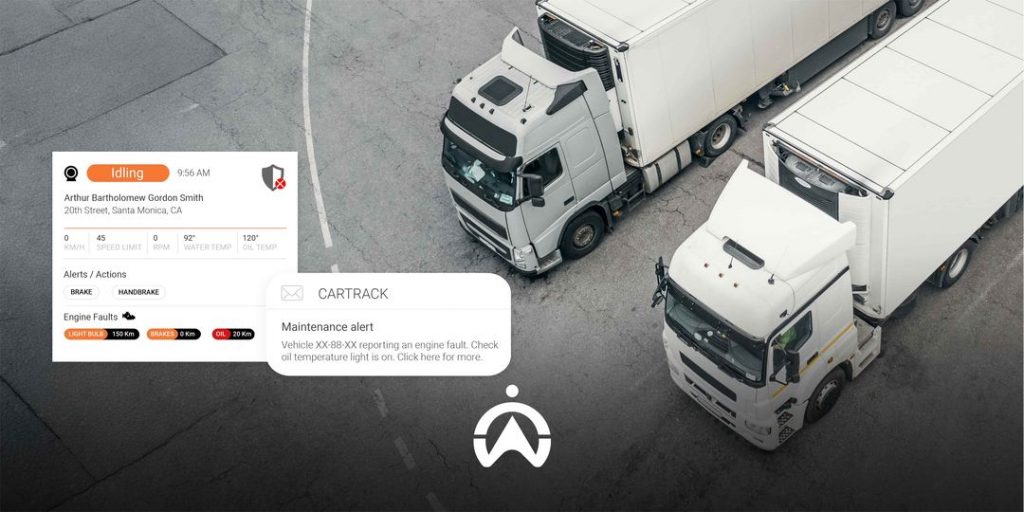
Fleet operators across Eswatini quickly embraced telematics systems, believing that tracking alone meant they had control. But a dashboard filled with warning lights, without a guide to make sense of them, is just like having data without the insights to back it up.
So let’s get into the real capabilities of these tools. We’ll look at why using them on their own just doesn’t cut it and how integrating a comprehensive telematics and fleet management system from Cartrack can transform Eswatini fleets.
What’s the difference between telematics and fleet management software?
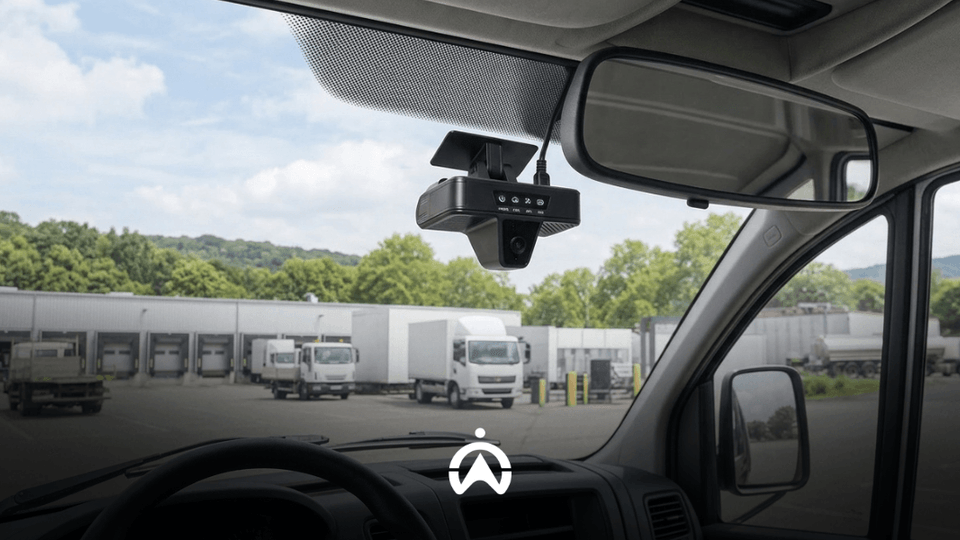
The difference between telematics and fleet management software is that telematics collects data, and fleet management software turns that data into insights. Telematics is the hardware and connectivity layer that tracks your car’s location, driving habits and performance. But it’s the fleet management software that’s the brain that turns that raw data into decisions.
It’s all about the big picture. One gathers the data, while the other turns that data into a solid strategy.
What do we mean by “Telematics”?
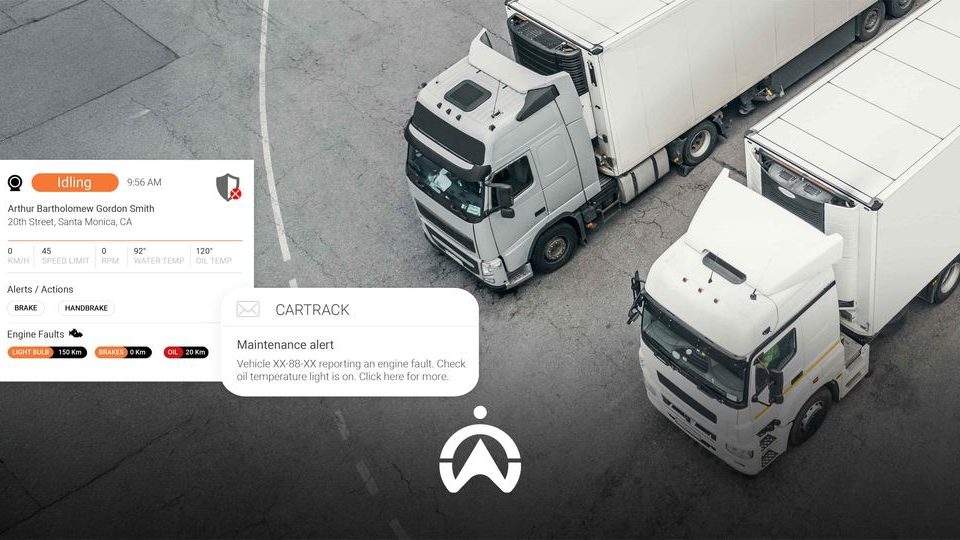
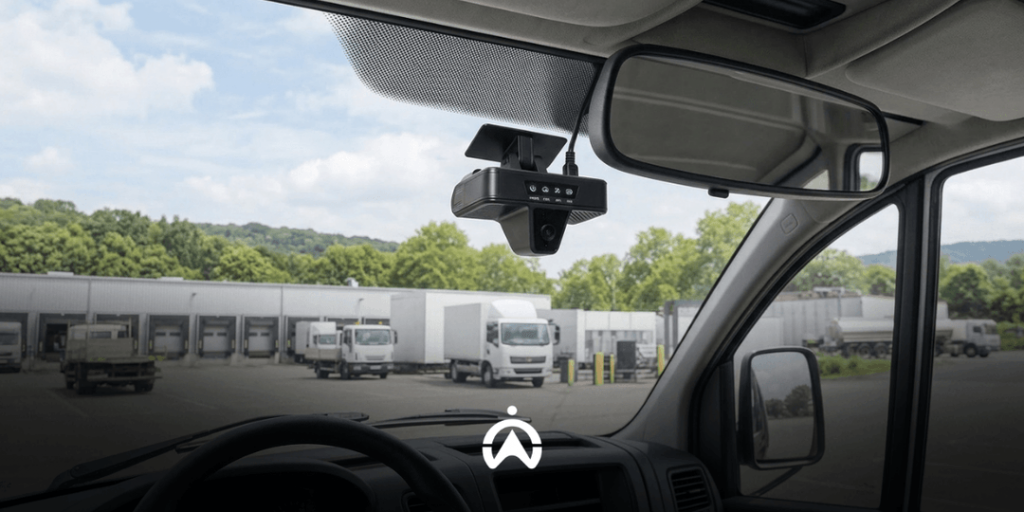
Telematics collects real-time information on your vehicle’s position, speed, fuel consumption, idle time, and driving patterns using GPS and sensors. It notifies you when a vehicle has been idling in Polokwane for too long or has taken an unexpected detour near Durban Harbour.
What do we mean by “Fleet Management Software (FMS)”?
With fleet management software, we mean that you can schedule maintenance, monitor driver safety, automate reports, and manage costs effectively. This digital control tower helps you tackle the challenges of the open road. It connects every moving part of your operation (from vehicles to drivers), giving you real-time visibility, faster decision-making, and fewer costly surprises.
Eswatini: Where fleet tech proves its worth
Eswatini offers the ideal backdrop to truly put a fleet system to the test. Our roads challenge you with everything from load-shedding downtime to urban congestion and lengthy inter-provincial routes. That’s why Eswatini fleets are perfect for trialling technologies that can keep things under control, even in the midst of chaos.
Cartrack’s platform is built for these situations. We design, test, and support it right here in Eswatini—where uptime, fuel control, and safety are non-negotiable. It keeps fleets productive and profitable, tackling any road challenges with features like real-time tracking, driver coaching, and recovery.
The conventional business framing: “Telematics or FMS?”
In conventional business framing, fleet managers often focus on software versus hardware, but it’s this mindset that can lead to missed opportunities. Choosing one over the other might simplify the purchasing process, but it splits your data and limits control. You could end up buying analytics software that doesn’t offer real-time data or track vehicles without reviewing the outcomes.
Let’s break down the differences:
In Eswatini, the problem isn’t about businesses picking the wrong system; it’s that they stick to just one. Fleet management software puts you in control, while telematics offers you clear visibility. When you combine the two, you unlock measurable results.
It’s Not “Either/Or” but “Together, or Nothing”
Fleet management software and telematics work hand in hand, not against each other. One delivers the insights, while the other steers the direction. Without telematics, your software is left to guess, and your data becomes mere noise without the software. When they team up, you can analyse, anticipate, and elevate every journey in real time, going beyond just tracking your fleet.
Data alone is no strategy
Telematics delivers rich, real-time data, but without context, it’s just numbers. Simply knowing a car’s location doesn’t explain why it’s there or if it’s running efficiently. By using fleet management software, you can optimise routes, minimise downtime, and make smarter operational decisions.
Software without rich data is guesswork
Even the most advanced software is useless without quality data. Telematics delivers key insights like location, driving patterns, fuel consumption, and engine health. Without that real-time information, your decisions fall behind and your reports become outdated. Real-time telematics gives your software the accuracy it needs to operate effectively.
The combination is the differentiator
Using fleet management software alongside telematics gives you complete visibility and control. This powerful combo transforms confusion into clarity, helping you tackle problems before they get expensive. Fleets in Eswatini that embrace both enjoy reduced costs, enhanced driver safety, and a competitive edge in the tough logistics environment.
Practical Eswatini checklist: How to evaluate and implement
If you want to evaluate and implement fleet management software and telematics, you need a practical checklist. As a fleet manager in Eswatini or even managing vehicles from a remote mining or farming site, this is your wake-up call.
Picking the right system goes beyond just ticking boxes; it’s all about aligning with real-world conditions, driver behaviours, and the specific challenges you face on Eswatini roads.
Technical
- Are you ensuring that all your assets—trucks, trailers, and equipment—are covered by your telematics hardware on both urban and rural routes?
- Can your fleet management software seamlessly integrate driver analytics, maintenance data, and GPS tracking in real time?
- Does the platform deliver instant notifications for events like engine failures, route changes, or fuel theft?
- How does it handle data when offline or in low-connectivity areas?
- Is it user-friendly on mobile devices for field service managers and drivers?
Organisational/Operational
- Have you trained your dispatchers and drivers to use the system effectively?
- Do you recognise the signs of success? (Think better fuel economy, fewer breakdowns, and safer driving.)
- Can your solution scale with your fleet or adapt for electric vehicles and future sustainability targets?
- Have you considered the initial hardware costs compared to the ongoing software returns?
- To ensure smooth adoption and progress, do you have a strategy for deployment and feedback?
Besides tracking your fleet, a fully integrated setup strengthens your business, boosts profitability, and ensures compliance.
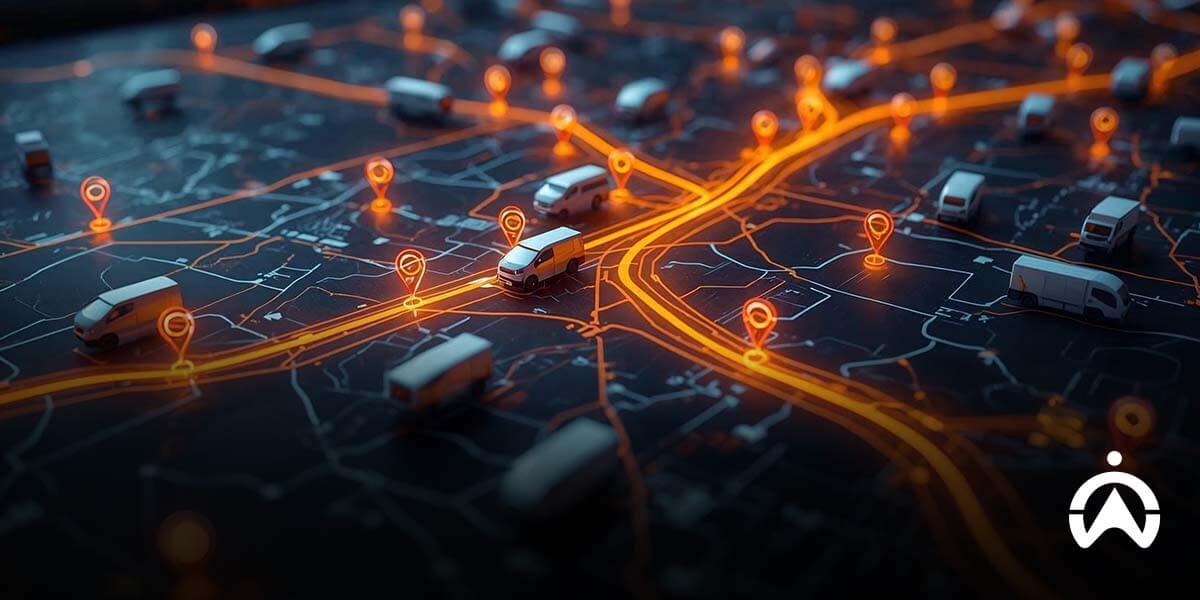
Why this matters right now in Eswatini
This matters right now in Eswatini because our fleets are tackling tougher challenges than ever. From fluctuating fuel prices to a surge in cargo theft and tighter regulations. Just having visibility isn’t enough; you need technology that empowers you to take action, not just observe.
Shifting from a reactive to a proactive approach calls for integration. The future of logistics in Eswatini depends on this evolution from fleet monitoring to fleet optimisation.
What’s next?
Now that you know exactly how fleet management and telematics work together, it’s time to get started. Test it on a few vehicles, monitor the results and measure the savings. Once you see the cost savings and better operations, scale up.
Remember, it’s about transformation, not just tracking.
- Audit your current state: Take a good look at your current systems. List the equipment and software you’re using, along with any data gaps you’ve spotted
- Choose a vendor/solution: Pick one platform. Find a supplier that offers management tools, analytics, and telematics all in one place—like Cartrack.
- Pilot the integration: Run a test project. For three to six months, trial the whole system on 10% to 20% of your fleet and keep an eye on key metrics like incident rates, cost per kilometre, and idle time.
- Involve your team: Show your supervisors and drivers why it’s crucial to use the system every day. The more they know, the more they’ll cooperate.
- Scale based on learnings: Refine and scale up. Use the insights from your pilot to roll out improvements across your fleet and foster a culture driven by data.
- Review annually: Use your pilot’s insights to share across your fleet and build a company culture focused on data-driven improvements.
Remember: the goal is to create smarter processes, not just to buy new technology.
Cartrack’s telematics: The heartbeat of every fleet
The heartbeat of every fleet lies in Cartrack’s telematics, turning every route, stop, and sensor into valuable insights. You’ll stay informed with live vehicle diagnostics, GPS tracking, and driver behaviour monitoring. You can spot risky driving, tackle fuel theft, and optimise routes before problems hit your wallet.
Cartrack’s telematics not only collects data but also tells the story behind every action. Whether you’re tracking cross-border transport or monitoring cold-chain deliveries in Durban, you get real-time precision. This means quicker responses, safer driving, and smarter use of every litre and kilometre.
Cartrack’s fleet management software: transforming data into decisions
Cartrack’s fleet management software turns all your telemetry data into actionable strategies. It acts as your command centre, helping you schedule maintenance, minimise downtime, and manage costs across your entire operation. With just one dashboard, you can easily monitor vehicle health, driver productivity, and overall fleet performance.
What really sets Cartrack’s software apart is how it integrates with your business. You’ll make decisions based on facts, not guesswork, with automatically updated reports and simple insights. Whether you manage 500 vehicles across Eswatini or 10 vans, it will make your fleet run smarter and more efficiently.
The takeaway: It’s not a choice—it’s a connection
Telematics and fleet management software aren’t meant to compete; they complement each other. When these two systems work in harmony, your fleet becomes safer, quicker, and smarter.
In Eswatini’s fast-changing logistics scene, integration isn’t just a perk; it’s a necessity! Fleets that weave data into their decision-making proactively avoid problems instead of just reacting to them.
So, focus on how well your systems are connected rather than which one is better. The smartest fleets today are the ones that act swiftly, not just those that keep the best tabs.