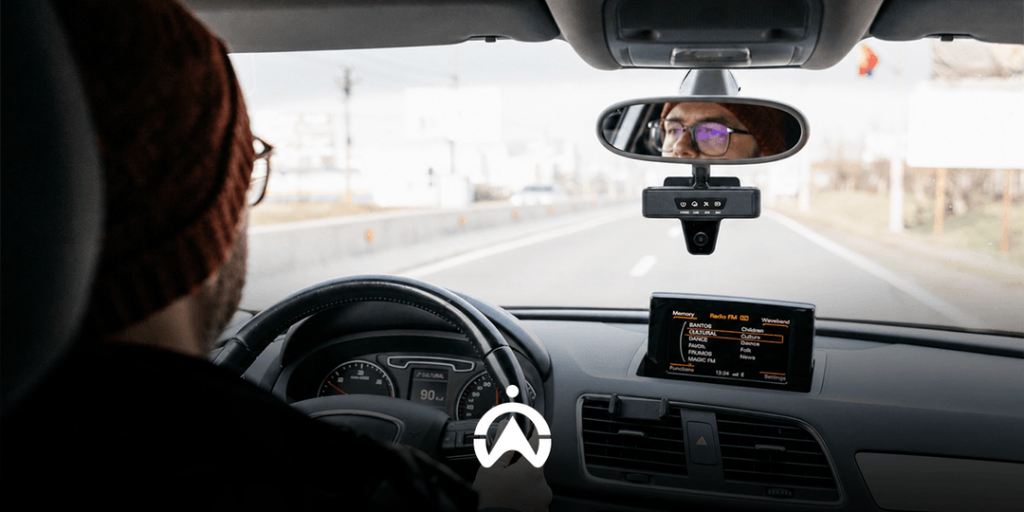

Can a Dashcam Get Hacked Into?
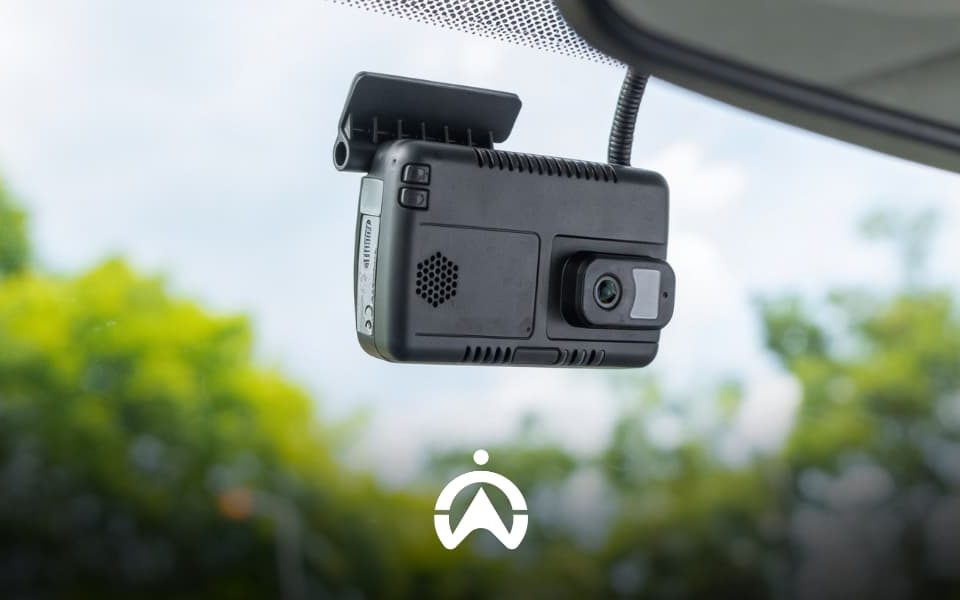
Theoretically, yes, a dashcam can get hacked into, but there are safety measures that you can take to ensure your dashcam is secure from any security breaches. In recent years, dashcams have quickly become essential in fleet management, providing video evidence, monitoring driver behaviour, and protecting against false claims.
While they bring operational advantages, they can also introduce potential cybersecurity vulnerabilities. Like any device that collects, sends, or stores data, they’re not immune to hacking.
It’s only natural to question whether dashcams, as connected devices, are at risk when connected cars face such intense targeting. That’s why many businesses trust fleet partners like Cartrack, whose connected dashcams offer advanced security, real-time visibility, and dependable local support.
Can dashcams actually be hacked?
Although rare, yes, your dashcam can be hacked, just like any other connected device. This is especially true when they’re connected to an unsecured internet or cloud service. Hackers can tap into stored files, GPS data, and video feeds by exploiting weak passwords, outdated firmware, or vulnerable networks. To stay safe, you need solid cybersecurity measures in place.
Here’s how it can happen:
- Weak or unchanged passwords: Leaving default passwords in place makes your device an easy target.
- Unsecured Wi-Fi networks: Open or public connections can expose the data stream from your dashcam.
- Compromised mobile apps: Attackers exploit security flaws in poorly designed dashcam apps.
- Outdated firmware: Failing to update your device regularly can allow known vulnerabilities to be exploited.
Think of it like leaving your office door unlocked. Although most people wouldn’t just walk in, there’s still a risk.
What’s at risk if a dashcam is hacked?
Your entire fleet’s operational security is at risk if a dashcam is hacked. When dashcams get compromised, it’s not just the video footage at stake. Cybercriminals can access GPS data and vehicle routes as well, which puts your drivers’ privacy and safety at risk. It can place your entire company at a security risk.
Here’s what could go wrong:
- Data exposure: GPS data, timestamps, and video could reveal your routes, delivery schedules, and client locations.
- Network breach: Hackers might access other systems through a dashcam connected to your main company network.
- Compliance issues: Exposed video could lead to privacy and data protection violations under POPIA or GDPR.
- Loss of money and reputation: Data breaches or outages can drain your time, finances, and trust.
- Vulnerability: Thieves now know where you are and what is in the vehicle increasing the risk of hijacking, theft of goods, and vehicle theft.
Common dashcam security risks and what they mean for your fleet
There are four common dashcam security risks that can cause your fleet to be compromised. Outdated software, weak passwords, and unsecured networks pose the biggest risks to fleet cybersecurity. Below, you’ll find a brief overview of the key dashcam security threats and what they could mean for your drivers, vehicles, and business.
Signs your dashcam might have been compromised
There are a few signs that your dashcam might have been compromised. You can keep your fleet safe from major operational and data risks by spotting the warning signs of a hacked dashcam. Cyberattacks often hide in plain sight, but a few red flags can signal something’s not quite right.
- Unusual activity or footage: Look out for strange recordings, missing clips, or videos that seem out of sync—these could all point to tampering.
- Unexpected settings changes: If you notice changes in permissions or configurations without your say-so, that could mean unauthorised access.
- Connectivity issues: Frequent disconnections or failed uploads might suggest network interference.
- Storage anomalies: Files appearing out of nowhere or rapidly diminishing storage space could signal malware or remote access issues.
- Increased data usage: A sudden spike in data transfer could indicate someone’s remotely streaming or downloading footage.
- System performance problems: Slow response times, constant reboots, or odd glitches might be signs of malicious interference.
If you notice any of these red flags, unplug the dashcam from its network, update all access credentials, and get in touch with your provider straight away. With secure tech and quick support from reliable partners like Cartrack, we can swiftly identify and contain potential breaches—keeping your operations safe and sound.
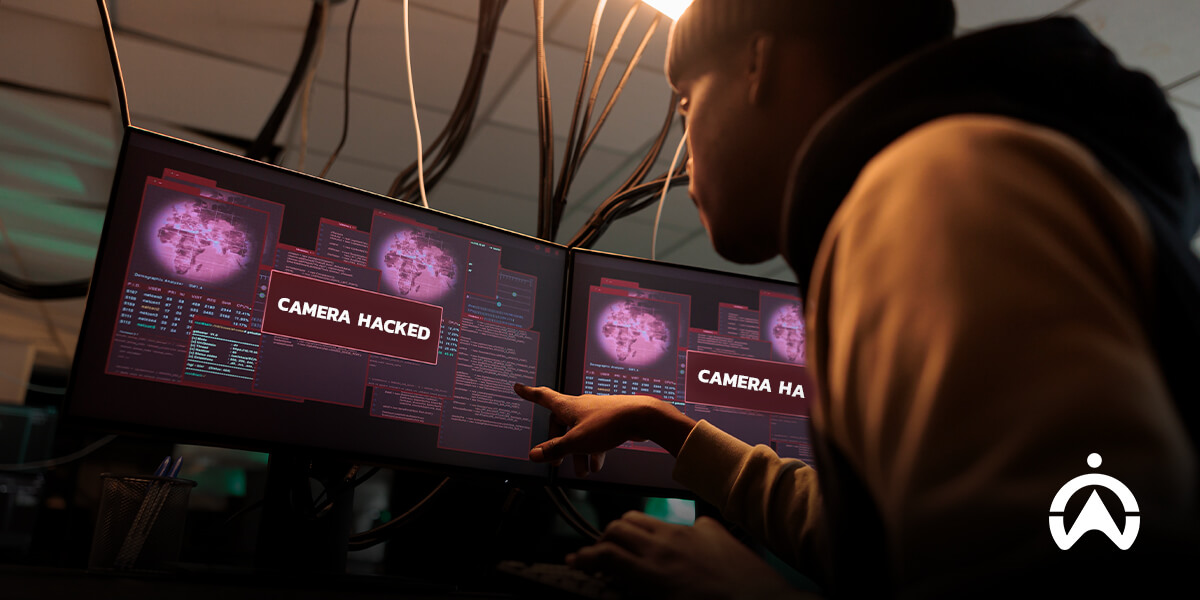
How to prevent dashcam hacking in your fleet
You can prevent dashcam hacking by having strong cybersecurity habits. Fleet managers need to ensure all passwords are complex and unique, that they utilise secure networks, and also that they regularly update firmware. To safeguard connected devices across your fleet, team up with a trustworthy telematics provider like Cartrack.
Choose reputable providers
Team up with well-known telematics firms like Cartrack, who have solid cybersecurity measures in place. Make sure they adhere to rigorous data protection and encryption guidelines. Seek out providers with clear security policies and accessible local customer support.
Keep firmware and software updated
Check in with your dashcam provider for any updates. These updates tackle security flaws and fix bugs. To keep things secure, schedule monthly maintenance.
Use secure passwords and multi-factor authentication.
Change those default passwords immediately. Use long, complex combinations of letters, numbers, and symbols. If two-factor authentication is an option, activate it.
Protect your network
Avoid connecting dashcams to public Wi-Fi. For data transfers, stick to secure networks or VPNs. Stay vigilant for any unusual login activity.
Choose reliable cloud storage
Ensure your provider encrypts all video files. Limit access to saved videos. For added security, implement role-based permissions.
Train your drivers and staff
Teach drivers the basics of cybersecurity. Motivate everyone to report alerts or suspicious activity. Make data protection a daily part of fleet operations.
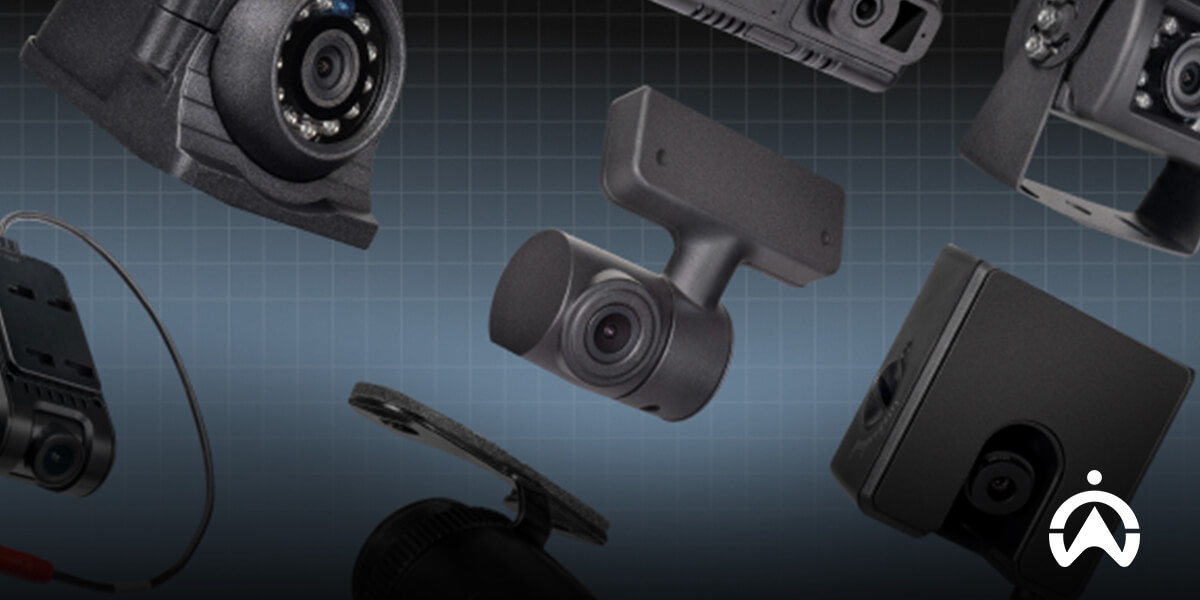
Building a culture of cyber awareness in your fleet
Build a culture of cyber awareness to safeguard your fleet. Your team (not just your tech) is your first line of defence in cybersecurity. If your staff doesn’t grasp basic digital safety, even the most advanced dashcam systems can’t keep your fleet safe.
Regular training sessions and workshops can help embed these habits naturally. When employees understand the “why” behind data protection, they’re more likely to take ownership. You can also draft simple internal policies or quick reference guides to help teams stay consistent.
With a cyber-aware company culture, every employee becomes a line of defence. This empowers your team and strengthens your fleet against potential hacking attempts and data breaches, boosting your company’s security and resilience.
Why choosing the right dashcam supplier matters
Choosing the right dashcam supplier goes beyond just getting high-quality footage; it’s crucial for ensuring your data stays safe throughout the journey. A trustworthy partner like Cartrack safeguards your fleet’s information at every step with local data hosting, automated software updates, and secure, encrypted networks.
Cartrack’s dashcam solutions offer you full visibility, control, and peace of mind by effortlessly integrating with its fleet management system. Enjoy a secure operation without any added stress, thanks to round-the-clock local support.